
Container Gardens
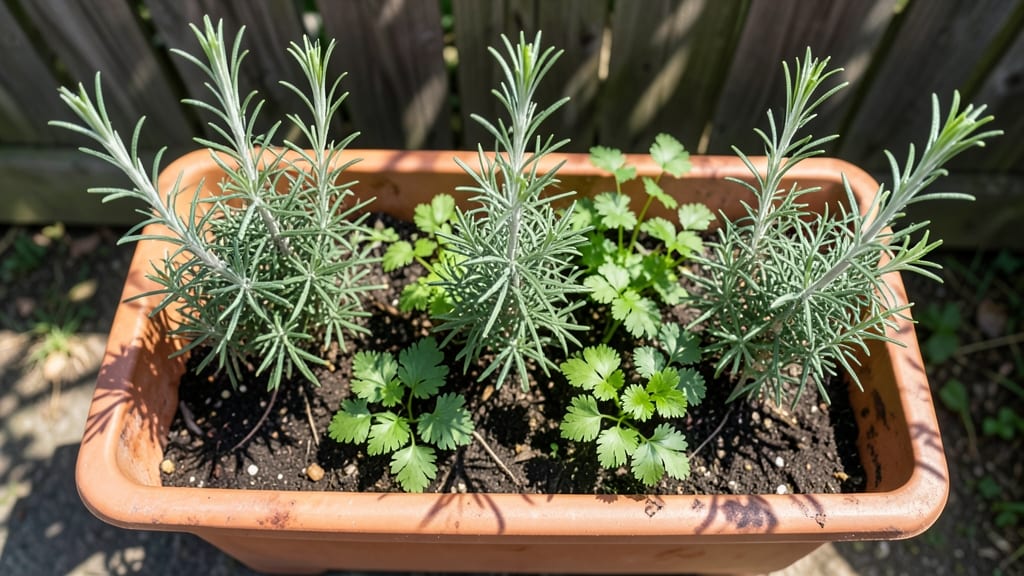
Struggling to grow lush, fragrant rosemary in containers? The right planting distance transforms your herb garden from sparse to thriving. These spacing secrets optimize growth, airflow, and harvest yield—whether you're using pots, hanging baskets, or window boxes.
Standard Rosemary Spacing for 6-Inch Pots
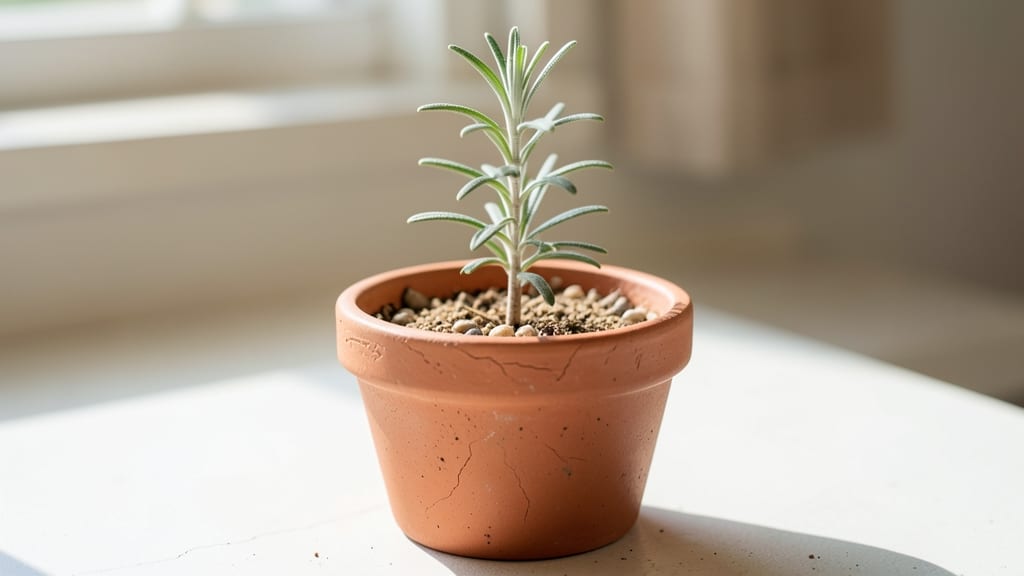
New to growing rosemary? A 6-inch pot is the perfect starting point—just plant one rosemary stem per container. This simple ratio eliminates competition for water and nutrients, ensuring your beginner herb thrives without fuss.
Rosemary’s woody stems and sprawling growth habit make it ideal for solo pots, where it can develop strong roots and fragrant foliage without crowding. Use a well-draining soil mix (like 60% potting soil and 40% perlite) and place your pot in full sun (6+ hours daily) for the best results. Prune lightly after harvesting to encourage bushier growth.
This spacing method is perfect for windowsill gardens or small patios, giving you fresh rosemary year-round with minimal effort. 🌱
Tight Cluster Spacing for Hanging Baskets
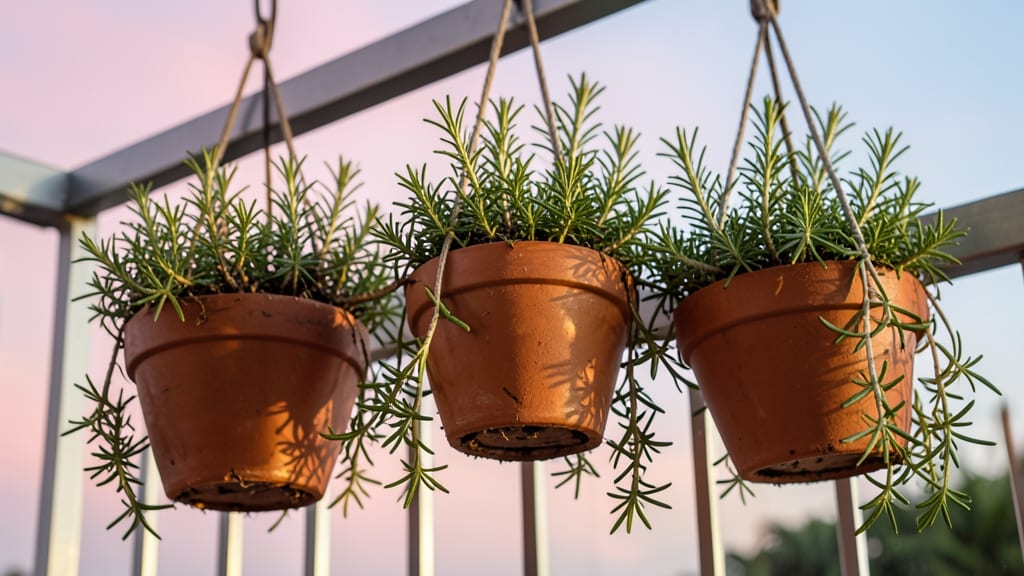
Turn your small balcony into a fragrant oasis with hanging rosemary baskets—where tight spacing creates cascading beauty. A 12-inch basket can comfortably hold 3-4 rosemary stems planted just 2-3 inches apart, maximizing vertical space while ensuring each plant gets enough air circulation.
Use well-draining soil and position the basket where it receives at least 6 hours of sun daily. The stems will naturally cascade, creating a lush, aromatic curtain perfect for urban gardens. Prune lightly after planting to encourage bushier growth, and harvest sprigs from the bottom to maintain shape.
This method is ideal for urban gardeners with limited space—it transforms a single basket into a fragrant, multi-stemmed display without sacrificing health. 🌱
Wide-Apart Planting for Large Containers
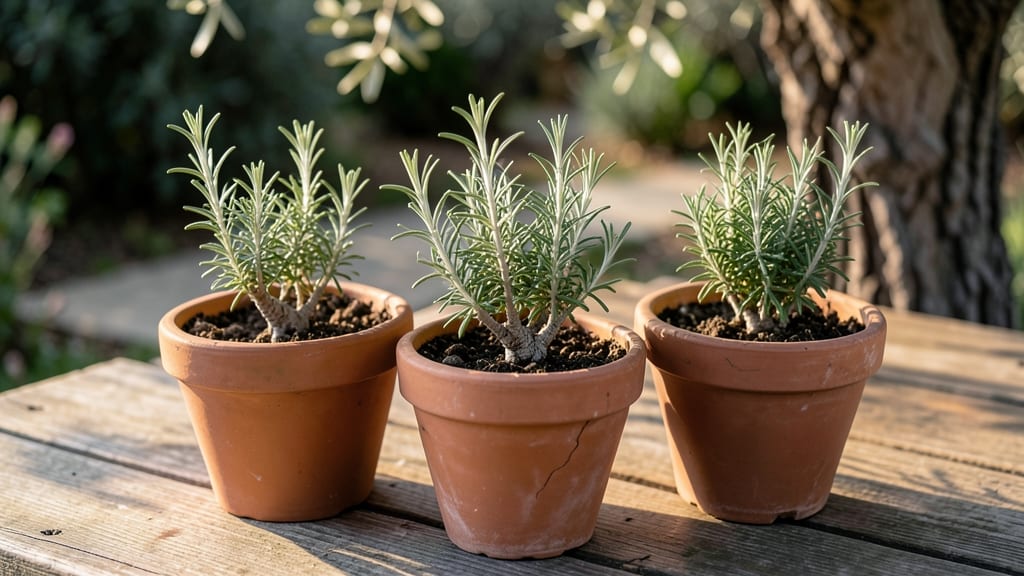
When your rosemary dreams outgrow tiny pots, 18-inch+ containers become the secret to lush, long-lasting harvests—but only if you space them right. Cramming stems too close leads to stunted growth and crowded, leggy plants that struggle to thrive.
For these larger pots, space three to five rosemary stems 6-8 inches apart in a loose triangle or staggered pattern. This spacing gives roots room to expand, encourages fuller foliage development, and prevents fungal issues from poor airflow. Use well-draining soil and place pots in full sun (6+ hours daily) to reward your patience with robust, fragrant stems ready for years of harvests.
This method is ideal for gardeners who want low-maintenance, high-reward rosemary—perfect for patio centers, balcony corners, or kitchen gardens where you’ll snip fresh sprigs regularly. 🌱
Side-by-Side Pairing in Long Window Boxes
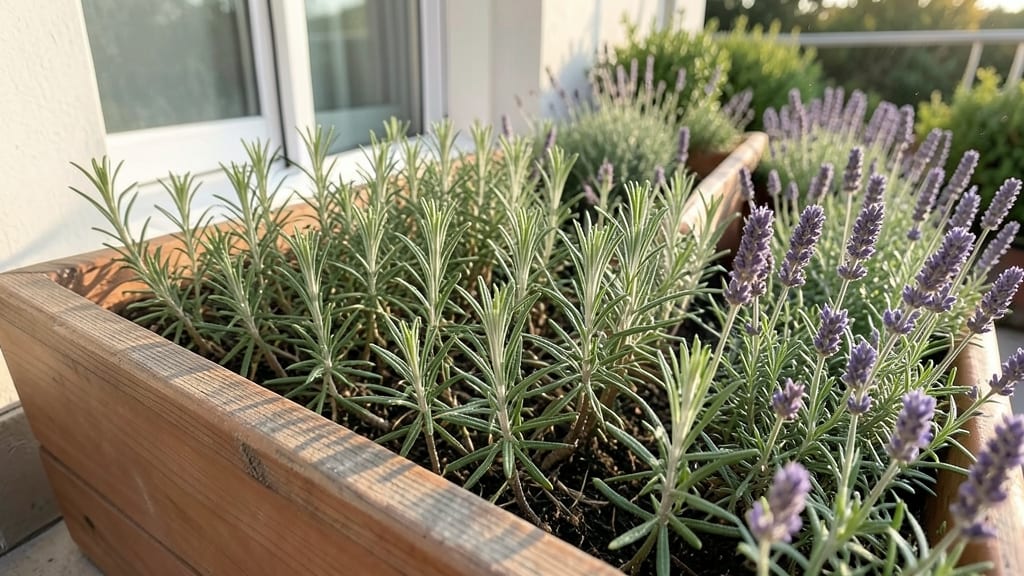
Transform your balcony or patio into a fragrant oasis with long window boxes—the perfect spot for rosemary to shine alongside its aromatic companions. This side-by-side pairing creates a polished, uniform edge that frames windows and doors beautifully while requiring minimal upkeep.
Plant rosemary 4-6 inches apart in the center of the box, then tuck thyme or lavender into the remaining space. The rosemary’s upright growth contrasts nicely with the low, spreading thyme or the delicate lavender blooms, creating a textured, layered look. Water deeply once a week (less in winter) and enjoy a border that smells as good as it looks—ideal for urban gardeners with limited space.
This layout works especially well for small-space gardeners who want instant curb appeal without the fuss of formal garden beds. Plus, the combination deters pests naturally while keeping maintenance simple. 🌿
Tight Grid Layout for Square Planters
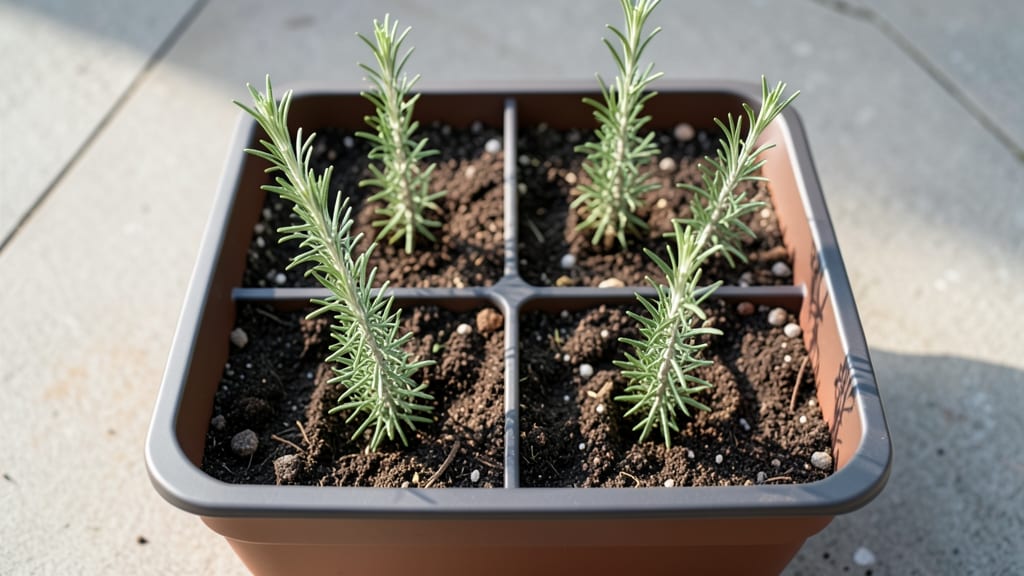
Turn your 12x12-inch square planters into a rosemary powerhouse with a geometric grid layout—this method crams in 4-6 stems while keeping airflow intact, perfect for modern urban gardens with limited space.
Arrange stems in a 3x2 or 2x3 grid, spacing them 2-3 inches apart to prevent overcrowding. The key is to trim back outer growth every 4-6 weeks to maintain the grid shape and encourage bushier centers. This layout works especially well for upright rosemary varieties like 'Tuscan Blue' or 'Arp,' maximizing harvestable foliage without sacrificing plant health.
Urban gardeners with small balconies or rooftops will love this space-saving approach—it’s the ideal way to grow rosemary in tight quarters while still getting a year-round supply of fragrant leaves. ✨
Single Stem Spacing for Miniature Varieties
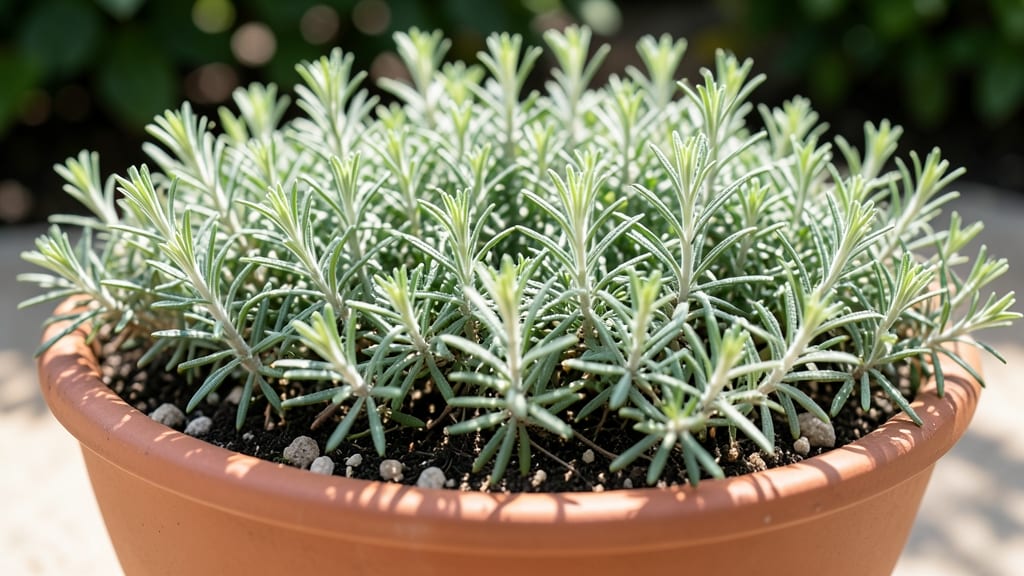
Want a rosemary variety that stays perfectly proportioned and spreads beautifully without taking over? Dwarf rosemary like 'Prostratus' thrives when planted just 3-4 inches apart—this spacing lets its low, cascading growth shine while preventing overcrowding.
Unlike taller varieties, these compact plants naturally spread horizontally, creating a lush, ground-hugging carpet. The key is avoiding tighter spacing, which can lead to leggy stems or competition for sunlight. This method works especially well in shallow planters or window boxes, where the dwarf habit is most visible.
Perfect for urban gardeners or anyone with limited space, this spacing ensures your miniature rosemary stays healthy and fragrant year-round. 🌱
Alternating Rows for Deep Containers
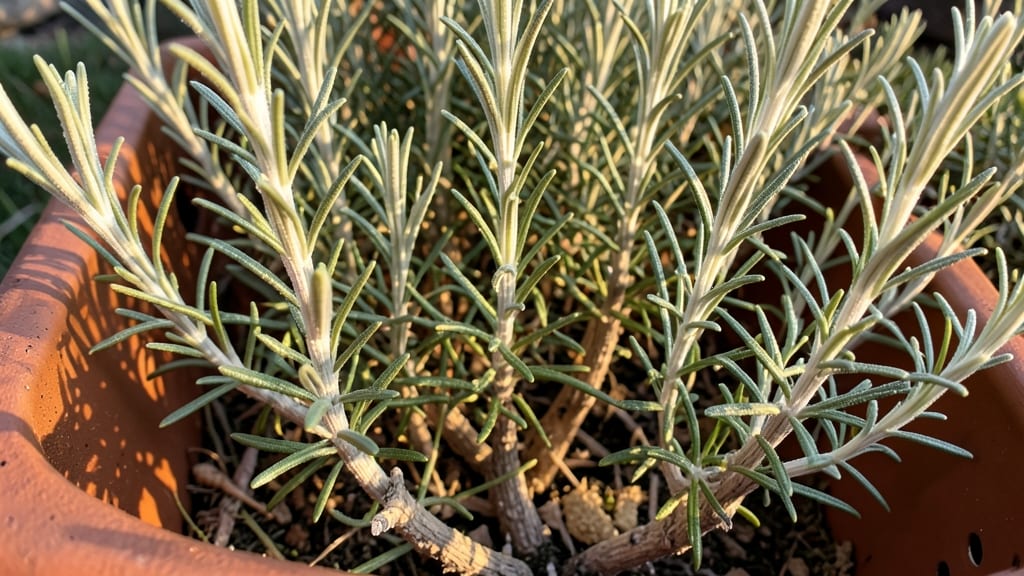
Transform your deep containers into vertical herb towers by planting rosemary in alternating rows—this simple trick encourages tall, upright growth perfect for varieties like 'Arp.' that naturally reach for the sky. Instead of crowding stems together, stagger them in rows spaced 8-10 inches apart, creating a natural trellis effect without extra supports.
This method works especially well in 12-inch or larger pots with at least 12 inches of depth, allowing roots to spread while stems stretch upward. For tall rosemary, this spacing prevents legginess and promotes bushier growth at the base. Water deeply after planting to encourage root expansion into the extra space.
Urban gardeners with limited space will love how this technique maximizes vertical growth—ideal for small patios or balconies where horizontal space is tight. 🌻
Clustered Groupings for Harvesting Efficiency
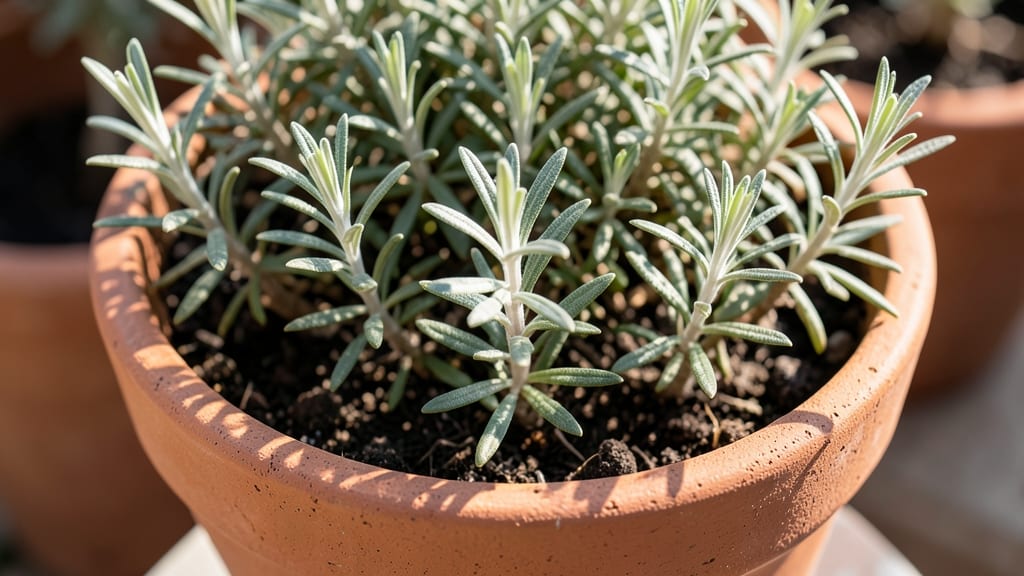
Tired of rosemary that grows leggy and sparse? Clustered groupings are the secret to a bushy, harvest-ready plant that stays compact and easy to trim. By planting 3-5 stems just 4-5 inches apart in a single pot, you create a natural thicket that encourages fuller growth and simplifies pruning.
This method works best in 12-16 inch pots with well-draining soil, where stems can interweave naturally. The close spacing forces the plants to branch out, creating a denser center that’s perfect for frequent harvesting. Prune the outer stems regularly to maintain shape and encourage new growth from the base.
Busy gardeners and urban herb enthusiasts will love this approach—it maximizes yield in minimal space while keeping maintenance simple. Just add water and sunlight, and enjoy a year-round supply of fresh rosemary. 🌱
Wide Spacing for Arid Container Gardens
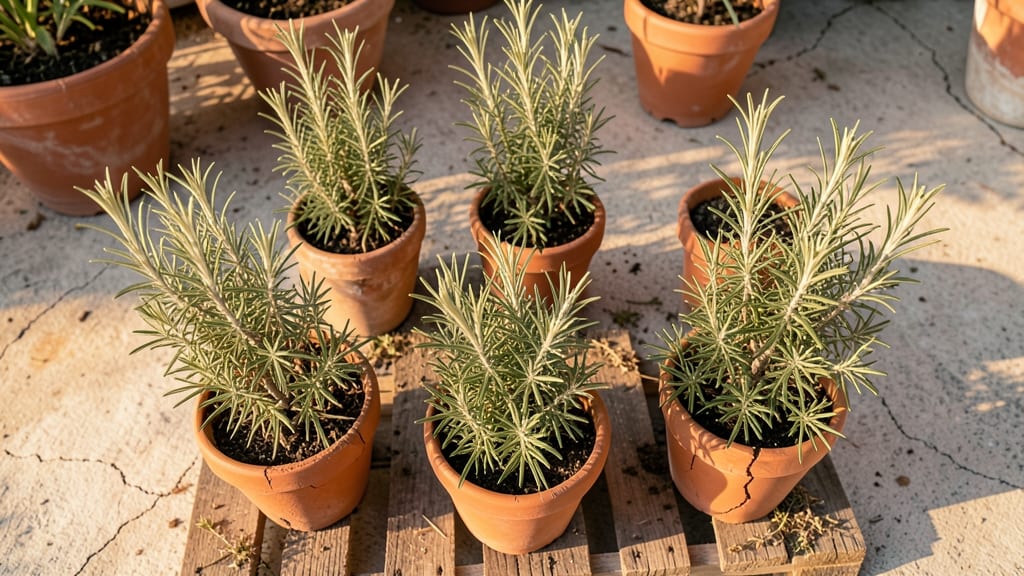
Living in a drought-prone climate doesn’t mean your rosemary has to suffer—wide spacing is the secret to thriving container gardens in dry conditions. Instead of cramming plants together, give each stem room to breathe, reducing water competition and stress.
Space your rosemary 10-12 inches apart in well-draining terracotta pots filled with a sandy, gravelly mix. This spacing mimics the plant’s natural Mediterranean habitat, where water is scarce but sunlight is abundant. Mulch with pebbles or coarse sand to further conserve moisture and prevent soil evaporation.
This method is perfect for gardeners in hot, dry regions or those using containers on sun-drenched patios. With less competition for water, your rosemary will grow stronger, produce more fragrant foliage, and require fewer waterings. 🌻
Mixed Herb Spacing with Rosemary Corners

Want to grow a mixed herb container that thrives without competition? The secret lies in strategic placement—rosemary in the corners creates harmony while protecting delicate herbs like parsley or cilantro from its woody growth.
Position your rosemary 6-8 inches from container edges, allowing its upright stems to grow vertically without blocking sunlight to shorter herbs. This corner strategy prevents root competition while maximizing fragrance and airflow. Pair it with shade-tolerant herbs like basil or chives in the center for a balanced, low-maintenance mix.
This method is perfect for urban gardeners with limited space or anyone wanting a fragrant, functional herb garden that’s easy to maintain. 🌿