
Aphids
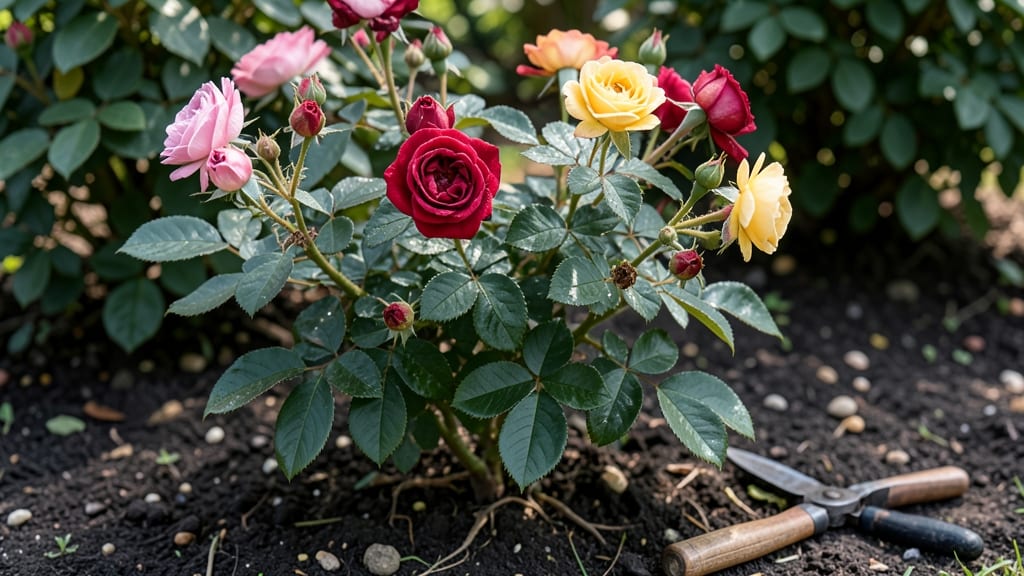
Understanding a rose's life cycle transforms pruning from guesswork to strategy. 🌹 From the first flush of spring growth to winter's dormant state, each stage tells you exactly what your roses need—whether that's water, food, or a sharp pair of pruners.
My 5-year-old Knock Out roses now bloom continuously because I prune based on their natural rhythm, not just the calendar.
Spring kicks off with new growth, followed by bud formation that leads to those showstopping blooms. After flowering, many roses set seed (unless you deadhead) and then enter a rest period—unless you're growing repeat-blooming varieties like mine.
The key is matching your care to these stages: fertilize when leaves emerge, prune after blooming, and protect roots before winter.
You'll end up with roses that flower longer, resist disease better, and recover from winter like they're used to the cold. My neighbors still ask how I keep mine so lush—it's all about working with nature, not against it.
The payoff? Roses that reward your attention with season-long color and fewer problems.
Works for all rose types—hybrids, climbers, even old garden roses—just adjust timing slightly for your climate zone. Let's break down each stage so you can see the full picture.
📚 In This Guide
- What you need
- Instructions
- Tips and common mistakes
- Wrapping up and next steps
What you need
- ● Pruning shears: Bypass pruners (sharp, clean, and 4-6 inch blades) – 1 pair (for small stems). For thicker branches, use loppers (8-12 inch) – 1 pair.
- ● Pruning saw: Curved or bow saw (for 1+ inch thick branches) – 1.
- ● Disinfectant: 70% isopropyl alcohol or bleach solution (1 part bleach to 9 parts water) – small bottle or spray.
- ● Gloves: Heavy-duty gardening gloves (cut-resistant, waterproof) – 1 pair.
- ● Compost or mulch: Organic matter (aged compost, wood chips, or straw) – 5-10 gallons (depending on rose bush size).
- ● Fertilizer: Balanced rose fertilizer (10-10-10 or 5-10-5) – 1-2 lbs.
- ○ Slow-release granular fertilizer (optional but recommended) – 1 lb.
- ● Watering can or hose: With adjustable nozzle – 1.
- ● Stake or support system: Bamboo stakes (5-6 ft tall) or rose trellis – 2-4 per bush (depends on size).
- ● Rose food: Liquid bloom booster (e.g., fish emulsion or seaweed extract) – 1 bottle.
- ● Epsom salt: Magnesium sulfate (1 tbsp per gallon of water) – small bag (for nutrient boost).
- ● Pest control: Neem oil or insecticidal soap – 1 spray bottle.
- ● Aphid traps (yellow sticky cards) – 2-4.
- ○ Pruning sealant: Optional for large cuts (e.g., pruning wax) – small tub.
- ● Journal or markers: To label pruning dates and notes – 1 notebook or waterproof tags.
Step-by-Step guide to managing the rose life cycle
Here’s how I keep roses blooming season after season—no guesswork, just proven timing and care.
⏰ Step 1: Late Winter Pruning (Before Bud Swell)
Wait until late February or early March when buds are still tight but the plant is dormant. This is your window to shape the rose for the year. I grab my pruners and start by removing any dead, diseased, or crossing branches first—they’ll only compete for energy.
Cut back last year’s canes to a strong outward-facing bud about ¼ inch above it. Aim for an open center that lets light and air circulate. You’ll see where the new growth will emerge from those buds—this is your guide for making clean cuts. If a branch is thinner than a pencil, snip it off entirely. Real talk: Over-pruning is worse than under-pruning, so err on keeping more structure.
🌱 Step 2: Spring Growth and Fertilizing (After First Leaves)
Once you spot the first true leaves (not the tiny cotyledons), it’s time to feed. Apply a balanced rose fertilizer (10-10-10) following package rates—usually every 4-6 weeks through summer. I like to mix in a handful of compost around the base too; roses love organic matter but hate soggy roots.
Watch for new shoots emerging from the base of the plant. These are called "suckers" and should be removed immediately—they drain energy from your main canes. Mulch with 2-3 inches of organic mulch (like shredded bark) to retain moisture and keep roots cool. Water deeply once a week until the top 6 inches of soil feel moist.
☀️ Step 3: Summer Maintenance (Deadheading and Pest Watch)
Deadhead spent blooms by cutting back to the first five-leaflet leaf below the flower. This encourages continuous blooming and keeps the plant looking tidy. I do this every 2-3 days during peak bloom—it’s a small habit that pays off big.
Check leaves weekly for signs of pests like aphids or Japanese beetles. A strong spray of water usually knocks them off, but for bad infestations, I use neem oil. Avoid chemical sprays—they can harm beneficial insects and leave residues on your blooms. Prune out any yellowing leaves immediately to prevent disease spread.
✂️ Step 4: Fall Cleanup (Preparing for Winter)
When temperatures drop below 50°F at night, stop fertilizing and reduce watering. Prune again to remove any dead or diseased wood, but don’t shape the plant like you did in spring—just tidy up. Cut back any long canes that grew this season by ⅓ to ½ to encourage bushier growth next year.
Mulch heavily with 4-6 inches of organic mulch (like straw or leaves) to insulate roots from freezing temperatures. Wrap tender varieties with burlap if your winters dip below 10°F. I’ve seen roses survive harsh winters with this protection—it’s like putting them to bed for the season.
⏰ Step 5: Winter Dormancy (Protecting Through Cold Months)
Leave roses alone during winter—no pruning, no fertilizing, just occasional watering if the ground stays frozen for weeks. The key is keeping roots from heaving out of the soil. If snow accumulates, gently brush it off the canes to prevent rot.
This is the time to plan next year’s layout. Sketch where you’ll add new roses or divide overcrowded clumps in early spring. Winter’s quiet, but it’s when the plant’s energy reserves rebuild for another round of blooms. You’ll see the difference in stronger stems and more flowers come spring.
Tips & tricks for perfect rose care year-round
These simple strategies will help you keep your roses thriving through every season—no green thumb required.
The Pruning Angle: When shaping your rose in Step 1, make your cuts at a 45-degree angle just above the outward-facing bud. This creates a natural water runoff path that prevents rot. I always run my thumb along the cane to feel where the bud sits—this helps me visualize the perfect cut line. The angle also exposes more surface area for new growth to emerge.
Fertilizer Timing: In Step 2, that 4-6 week fertilizer schedule is crucial, but timing matters just as much. Apply fertilizer when the soil is moist—not bone dry—but not soaking wet. I like to water first, then fertilize, then water again to help distribute nutrients. This prevents root burn from concentrated fertilizer salts. And remember: stop fertilizing completely once nighttime temps drop below 50°F—this gives your roses time to harden off before winter.
Deadheading Technique: During Step 3's peak bloom season, I've learned that deadheading isn't just about cutting flowers—it's about cutting to the right place. Always look for the first five-leaflet leaf below the spent bloom. If you can't find it, cut back to where you see three healthy leaves clustered together. This ensures you're not removing too much growth potential while still encouraging new blooms. The key is to be precise but not obsessive—every cut should serve a purpose.
Winter Protection: For Step 4's heavy mulching, I've found that 4-6 inches is ideal, but the type matters too. Straw mulch breaks down more slowly than leaves, providing longer protection. If you're using burlap wraps for tender varieties in 10°F weather, leave the bottom of the wrap loose—this allows moisture to escape and prevents rot. And here's a pro move: I always mark where I've wrapped each plant with a small flag so I remember which ones need special care in spring.
Pro Tips for Roses Life Cycle
- These simple strategies will help you keep your roses thriving through every season—no green thumb required.
- The Pruning Angle: When shaping your rose in Step 1, make your cuts at a 45-degree angle just above the outward-facing bud.
- Fertilizer Timing: In Step 2, that 4-6 week fertilizer schedule is crucial, but timing matters just as much.
Frequently asked questions
Got questions about keeping your roses thriving through every stage of their life cycle? Here are answers to the most common queries—because even expert gardeners need a little help sometimes!
How often should I prune roses for continuous blooms?
Prune once in early spring (just before new growth starts) to shape the plant and remove dead wood. For repeat-blooming varieties, give them a light trim after each major bloom cycle (every 6–8 weeks) to encourage new flowers. Avoid heavy pruning in fall—focus on cleaning up debris instead. Pro tip: Always use sterilized tools to prevent disease!
Why aren’t my roses blooming this year?
Several factors could be at play: over-pruning (cutting too late in the season), nutrient deficiencies (especially nitrogen or phosphorus), aphids or pests, or lack of sunlight. Check for yellowing leaves (a sign of overwatering or poor drainage) and ensure they get 6+ hours of sun daily. A balanced rose fertilizer in spring can also help kickstart blooms.
How do I protect roses from aphids during their life cycle?
Aphids love tender new growth—monitor stems and buds closely in spring and summer. Spray off pests with a strong stream of water or use neem oil (a natural, organic solution). Introduce ladybugs or lacewings (beneficial insects) to your garden for long-term control. Warning: Avoid chemical pesticides during bloom time, as they can harm pollinators!
Can I grow roses from cuttings, and what’s the best time?
Yes! Take 6-inch cuttings from healthy, non-flowering stems in late spring or early summer (when growth is vigorous). Dip the cut end in rooting hormone, plant in moist perlite/sand mix, and keep humid (use a plastic bag). Roots should form in 4–8 weeks. Bonus: This method preserves your favorite rose’s exact traits!
What should I do with roses in winter?
Most roses are hardy to Zone 4–5, but mulch heavily (4–6 inches) with straw or shredded leaves to insulate roots. For tender varieties, mound soil or compost around the base. Don’t prune until spring—wait until you see new growth to avoid inviting pests. Fun fact: Some roses bloom lightly in winter if protected!
Wrapping up and next steps
Understanding the roses life cycle isn’t just about theory—it’s your secret weapon for year-round blooms and a thriving garden! 🌹 From dormant buds to vibrant petals, each stage offers a chance to nurture your roses with precision.
Now that you’re armed with pruning tips and care strategies, take action: schedule your next pruning session, monitor for pests like aphids, and watch your garden transform into a lush, fragrant paradise.
Ready to elevate your gardening game? Start small—pick one rose bush today and apply what you’ve learned. Your future self (and your roses!) will thank you. 🌱