
Planting
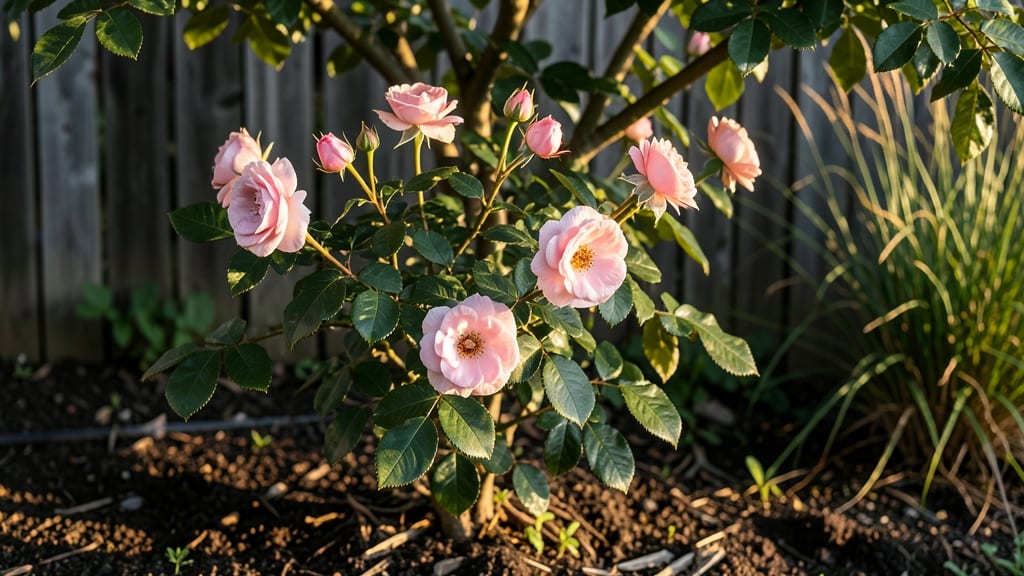
Growing a scentimental rose plant means filling your garden with blooms that smell like nostalgia—velvety petals heavy with fragrance that lingers long after the flowers fade. 🌹 I learned the hard way that these roses demand patience: too little water and the petals wilt; too much sun and the scent fades.
But when you nail the balance, your yard becomes a sensory sanctuary, especially on warm evenings when the air thickens with their perfume.
The secret isn’t just soil or sunlight—it’s understanding their rhythm. Plant them where they’ll get 6-8 hours of morning sun (afternoon shade protects the petals from scorching) and well-draining soil rich in organic matter.
Varieties like 'David Austin English Roses' or 'Louis Philippe' are foolproof for beginners but reward experienced gardeners with year-round fragrance when pruned correctly. The first flush of blooms arrives in early summer, but with proper care, they’ll reward you with sporadic blooms until frost.
You’ll know you’ve succeeded when your roses become the centerpiece of your garden—not just for their beauty, but for the way they transform a walk through the yard into a stroll through a memory. The key is consistent moisture (never soggy soil) and seasonal pruning to encourage strong, fragrant growth.
Even in winter, their bare branches hold promise, and by spring, you’ll be harvesting cuttings for bouquets that smell like home.
This method works for containers, cottage gardens, or formal hedges—adjust pruning based on your climate. In colder zones, mulch heavily to protect roots, while warmer areas may need afternoon shade. The payoff? A garden that doesn’t just look stunning, but feels like a hug every time you pass by.
📚 In This Guide
- What you need
- Instructions
- Tips and common mistakes
- Wrapping up and next steps
What you need
- ● Rose plant: Choose a fragrant variety like David Austin roses (e.g., "Gertrude Jekyll" or "Munstead Wood"). Purchase from a nursery or propagate from cuttings.
- ● Well-draining soil: 5–10 gallons of a mix of 60% garden soil, 30% compost, and 10% perlite/sand (for aeration).
- ● Container or garden bed: For containers: 1–2 gallon pots (minimum 12" deep) with drainage holes.
- ● For garden beds: Full sun (6+ hours/day) and space for roots to spread (3–4 feet apart).
- ● Fertilizer: Balanced organic fertilizer (10-10-10) or rose-specific granules (follow package rates).
- ● Mulch: 2–3 inches of organic mulch (e.g., shredded bark or straw) to retain moisture.
- ● Gloves & long sleeves: Protect against thorns (opt for gardening gloves with reinforced palms).
- ● Pruning shears: Sharp, sterilized shears (or a small saw for thicker stems).
- ● Watering can or hose: With a gentle spray nozzle for hydration.
- ○ pH test kit (optional): Ensure soil pH is between 6.0–6.5 (roses love slightly acidic soil!).
- ○ Stakes or trellis (optional):strong> For climbing varieties (e.g., 5–6 foot bamboo stakes).
- ● Pest control: Neem oil or insecticidal soap (for aphids/beetles).
Step-by-step guide to growing your Scentimental rose plant
Here's how to cultivate a fragrant, thriving rose bush that rewards you with blooms season after season.
🌱 Step 1: Select the Right Location and Prepare the Soil
The Scentimental rose thrives in full sun—at least 6-8 hours daily—so choose a spot that gets morning sunlight and afternoon shade if your climate is particularly hot. I always test the soil first: dig a hole about 12 inches deep and check for good drainage. If water pools after 30 minutes, amend the soil with 2-3 inches of compost and a handful of coarse sand to improve aeration.
This rose variety loves well-draining, slightly acidic soil with a pH between 6.0 and 6.5. You can test your soil with a simple kit from the garden center. If your soil is too alkaline, mix in sulfur or peat moss to adjust the pH. The key here is to mimic the loose, fertile conditions of its natural habitat—think of it as giving your rose a spa treatment before planting.
🪴 Step 2: Plant at the Correct Depth and Stake for Support
Dig a hole twice as wide as the root ball but no deeper. The top of the root ball should sit 1-2 inches above ground level—this prevents the graft union from being buried, which can cause the plant to revert to its wild, less fragrant roots. Gently loosen the roots if they’re circling and place the rose in the hole.
Fill the hole with soil, tamping it down lightly to eliminate air pockets. Install a 5-6 foot stake next to the plant, securing it with 3-4 flexible ties (never wire—it can cut into the stem). Water deeply right after planting to settle the soil and encourage root growth. You’ll know you’ve done it right when the soil looks evenly moist and the plant stands upright without wobbling.
☀️ Step 3: Water Deeply and Mulch to Retain Moisture
Water your Scentimental rose deeply once a week during the first growing season, ensuring the soil is moist 6 inches down. Overwatering is a common mistake—you’ll see yellowing leaves or blackened stems if the roots sit in soggy soil. Instead, aim for 1-1.5 inches of water per week, adjusting for rain. A 3-inch layer of organic mulch (like shredded bark or straw) around the base helps retain moisture and suppress weeds.
Keep the mulch 2-3 inches away from the stem to prevent rot. This is where many gardeners go wrong—they pile mulch right against the trunk, trapping moisture and inviting disease. Think of it like dressing a wound: loose and breathable, not suffocating. After mulching, give the soil another drink to settle everything in place.
✂️ Step 4: Prune for Shape and Encourage Continuous Blooms
Prune your Scentimental rose in early spring before new growth begins. Remove dead, diseased, or crossing branches first, then cut back the remaining stems by one-third to encourage bushier growth. Always make cuts at a 45-degree angle just above an outward-facing bud. This isn’t just about aesthetics—it’s about directing energy where you want it to go.
Throughout the growing season, deadhead spent blooms by snipping the stem just above a set of healthy leaves. This encourages more flowers and keeps the plant looking tidy. Avoid heavy pruning in fall or winter, as the plant needs its energy to harden off for dormancy. If you see any suckers (shoots growing from the base), remove them immediately—they’ll sap energy from your prized blooms.
🌿 Step 5: Fertilize and Protect for Year-Round Fragrance
Feed your rose with a balanced, organic fertilizer (like 10-10-10) in early spring, then again in mid-summer. Follow the package instructions, but I’ve found that half the recommended dose every 4-6 weeks works just as well—less risk of burning the roots. Roses are heavy feeders, but they’ll reward you with more blooms and stronger fragrance when nourished properly.
Watch for pests like aphids or spider mites, which love the tender new growth. A neem oil spray applied every 2-3 weeks keeps them at bay without harming beneficial insects. If you notice leaves curling or sticky residue, act fast—these are early signs of an infestation. A healthy Scentimental rose should have glossy, vibrant leaves and abundant, fragrant blooms from early summer through fall.
Tips & tricks for perfect Scentimental rose plant care
Took me years to figure out these secrets—here's how to maximize your rose's fragrance and resilience.
Sunlight Strategy: The 6-8 hours of daily sun is non-negotiable, but I've found morning sun with afternoon shade in hot climates prevents leaf scorch while maintaining flower production. Position your rose where it gets the full sun exposure during cooler morning hours when UV intensity is lower. If your garden gets intense afternoon sun, consider a light shade cloth (30-50% coverage) during peak heat hours—this won't reduce fragrance but will protect delicate petals.
Soil Science: That 30-minute drainage test is your best friend. If water pools after 30 minutes, you're dealing with heavy clay soil that will suffocate roots. For alkaline soil adjustments, I recommend using sulfur pellets rather than peat moss—sulfur provides a more gradual pH adjustment and won't compact like peat. The goal is to create that loose, well-aerated soil that mimics the rose's natural habitat, where roots can breathe and water drains freely.
Pruning Precision: When cutting back stems by one-third in early spring, focus on removing branches that cross or grow inward. These competing branches steal energy from your fragrant blooms. I use sharp bypass pruners and always make cuts just above an outward-facing bud—this directs growth outward rather than inward. For deadheading, use clean shears and cut just above a set of healthy leaves to encourage new growth from that node. This simple technique can double your bloom production!
Fertilizer Wisdom: The half-dose every 4-6 weeks approach works wonders because it prevents fertilizer burn while still providing consistent nutrition. I've found that organic rose fertilizers with micronutrients (like magnesium and iron) produce more vibrant blooms with stronger fragrance. Always water thoroughly after fertilizing to help distribute nutrients through the root zone. And remember—roses need more phosphorus in bloom season (the middle number in 10-10-10) to support those fragrant flowers.
Pro Tips for Scentimental Rose Plant
- Took me years to figure out these secrets—here's how to maximize your rose's fragrance and resilience.
- Sunlight Strategy: The 6-8 hours of daily sun is non-negotiable, but I've found morning sun with afternoon shade in hot climates prevents leaf scorch while maintaining flower production.
- Soil Science: That 30-minute drainage test is your best friend.
Frequently asked questions
Got questions about growing and caring for your Scentimental Rose plant? You’re not alone—these fragrant beauties are full of surprises! Here are answers to the most common queries to keep your roses thriving year-round.
When is the best time to plant a Scentimental Rose?
The ideal time to plant is in early spring or early fall when temperatures are mild (50–70°F). This gives roots time to establish before extreme heat or cold sets in. Avoid planting in summer—heat stress can stunt growth. If you’re in a warm climate, fall planting is often better to beat summer dry spells.
How often should I water my Scentimental Rose?
Water deeply 1–2 times per week, ensuring the top 6 inches of soil stay moist. Newly planted roses need more frequent watering (every 2–3 days) until established. Mulch around the base to retain moisture, but avoid piling mulch against the stem. Adjust watering in winter—roses need less when dormant but still appreciate a drink during dry spells.
Why aren’t my Scentimental Roses blooming?
Lack of blooms often stems from over-pruning, poor nutrition, or stress. Ensure you’re pruning in late winter/early spring (not summer) and fertilizing every 4–6 weeks during growing season. Check for pests (like aphids) or fungal issues (black spot). Deadhead spent blooms to encourage more flowers, but leave hips for winter interest!
Can I grow Scentimental Roses in containers?
Choose a large container (at least 15–20 gallons) with drainage holes and use well-draining potting mix. Dwarf or patio varieties (like ‘The Fairy’) thrive in pots. Place in full sun (6+ hours/day) and water more frequently than ground-planted roses. Repot every 2–3 years to refresh soil nutrients.
How do I keep pests away from my Scentimental Roses?
Prevent pests with regular inspections and proactive care. Spray leaves with neem oil or insecticidal soap for aphids/mites. For fungal diseases (like powdery mildew), improve airflow by pruning dense foliage and water at the base (not overhead). Companion plants like garlic or marigolds can deter pests naturally!
Wrapping up and next steps
Cultivating a scentimental rose plant is a rewarding journey that fills your space with beauty and fragrance—year-round! Remember, the secret lies in patience, proper care, and a dash of love.
Whether you’re pruning like a pro, nurturing with organic fertilizers, or troubleshooting pests, every step brings you closer to lush, blooming success.
Now that you’re armed with knowledge, take the next step! 🌱 Start with a single cutting or seedling, and soon, your garden—or even your windowsill—will be alive with the sweetest aromas. Happy gardening, and may your roses bloom as abundantly as your joy!