
Pests
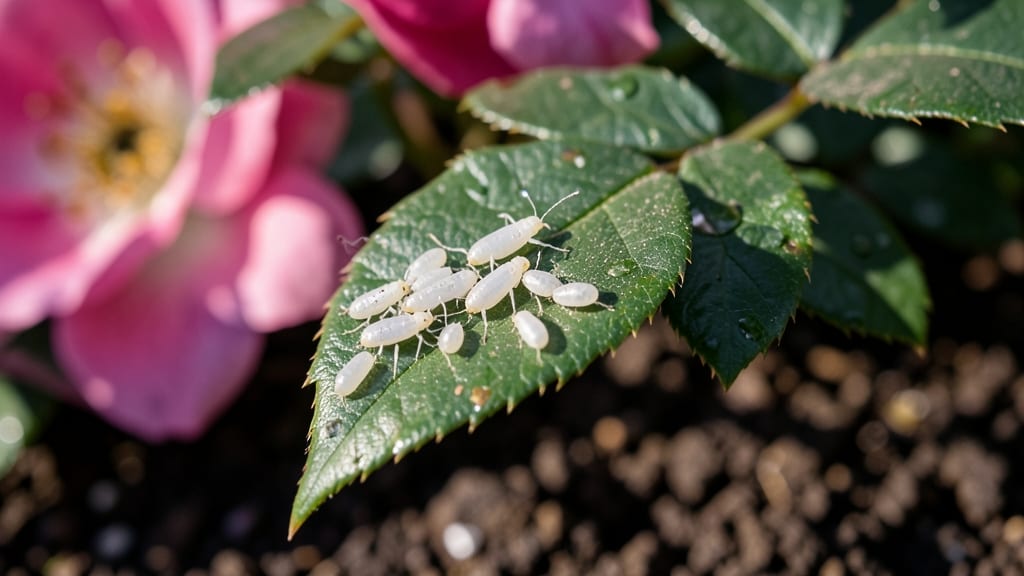
Those small white bugs on roses you’re seeing aren’t just annoying—they’re draining your plants, and I’ve spent years figuring out how to stop them. the right fix. The worst part? These pests multiply fast, leaving sticky residue and stunted growth.
But the good news is most can be controlled without harsh chemicals—once you understand their life cycle and when to act. You'll learn to spot the difference between these pests, how they damage roses, and the best organic solutions to kick them out for good.
No more guessing or failed sprays. Whether you're dealing with a single bush or an entire garden, these methods work for both backyard roses and container plants. Let's get those blooms back to their best!
Root Causes of Tiny White Invaders
When you spot tiny white bugs on your roses, they’re rarely just a random annoyance—they’re usually a sign that your garden’s balance has shifted. Understanding why these pests appear helps you address the problem at its source, not just slap on a quick fix.
Below, we break down the most common reasons these critters show up, from environmental triggers to plant health red flags.
Roses thrive when they have space to breathe and access to nutrients. When they’re packed too closely, aphids, whiteflies, or mealybugs find the perfect hiding spot—shady, humid microclimates where predators (like ladybugs or lacewings) can’t reach.
Stressed plants, often from overwatering, drought, or poor soil, also release sugars through their leaves, making them a tasty buffet for these pests.
Why it matters: Weakened roses can’t fight off infestations as effectively. Aphids, for example, inject toxins as they feed, causing curled leaves and stunted growth—basically, they’re sucking the life out of your plants and leaving them vulnerable to disease.
Actionable insight:
- ✅ Prune regularly to improve airflow (aim for a “open vase” shape for roses).
- ✅ Test soil pH (ideal: 6.0–6.5 for roses). Amend with compost if it’s compacted or nutrient-poor.
- ✅ Water deeply but less often—soil should dry slightly between waterings to prevent root stress.
New shoots and tender leaves are like all-you-can-eat buffets for white pests. Aphids and whiteflies are particularly drawn to soft, succulent growth because it’s easier to pierce with their mouthparts.
If your roses are blooming heavily or you’ve recently fertilized, you might see a surge in these bugs as they capitalize on the feast.
Why it matters: Pests target new growth because it’s packed with nutrients and hormones (like auxins) that make it irresistible. The result? Your roses may produce fewer flowers or develop black sooty mold from their sticky honeydew secretions.
Actionable insight:
- ✅ Fertilize in early spring (not mid-summer) to avoid triggering a pest party. Use a balanced, slow-release formula (e.g., 10-10-10).
- ✅ Remove spent blooms promptly to discourage pests from lingering.
- ✅ Encourage old-growth roses—mature stems are less appealing to aphids.
In a healthy garden, tiny white bugs rarely become a problem because their natural enemies—like ladybugs, lacewings, parasitic wasps, and hoverfly larvae—keep their populations in check. But if your garden lacks biodiversity (e.g., no companion plants, pesticides, or monoculture landscaping), these predators disappear, and pests explode.
Why it matters: A single ladybug can eat 5,000 aphids in its lifetime. Without them, whiteflies or mealybugs multiply unchecked, leading to visible damage like yellowing leaves, stunted buds, or webbing.
Actionable insight:
- ✅ Plant companion flowers like dill, fennel, or marigolds to attract beneficial insects.
- ✅ Avoid broad-spectrum pesticides—they kill both pests and their predators.
- ✅ Install a small water source (like a shallow dish with pebbles) to lure predator insects.
Tiny white bugs often hitch a ride on wind or migrating birds, but they’re also sensitive to weather. Warm, dry springs and humid summers create ideal conditions for aphids and whiteflies to reproduce rapidly. Conversely, cold snaps or heavy rains can temporarily reduce their numbers—but only until conditions improve.
Why it matters: Pests like woolly aphids thrive in protected, humid environments (e.g., under rose canes or in dense foliage). If your area has had unusually mild winters, surviving pests can reproduce faster than usual.
Actionable insight:
- ✅ Monitor weather patterns—if your region is experiencing early warmth, inspect roses weekly for early infestations.
- ✅ Use row covers in early spring to block migrating pests.
- ✅ Prune after rain to reduce humidity around foliage.
💡 Pro Tip: Keep a garden journal to track when infestations occur. Noticing patterns (e.g., “bugs spike after I fertilize”) helps you predict and prevent future outbreaks.
Natural Ways to Eliminate Rose Pests
Tiny white bugs on your roses? Don’t panic—there are effective, eco-friendly solutions to restore your garden’s health without harsh chemicals. Below, we’ll match common culprits (like aphids, mealybugs, or whiteflies) to targeted fixes, plus prevention tips to keep your roses thriving.
Before grabbing a spray bottle, confirm the pest. Here’s a quick visual guide to narrow down the fix:
| Pest Type | Looks Like | Where They Hide | Damage Signs |
|---|---|---|---|
| Aphids | Tiny, pear-shaped, white/green/yellow | Undersides of leaves, buds | Sticky residue (honeydew), curled leaves |
| Mealybugs | Cottony white clusters | Leaf axils, stems, buds | Yellowing leaves, stunted growth |
| Whiteflies | Small, moth-like, flutter when disturbed | Leaf undersides | Yellow spots, sooty mold |
| Scale Insects | Shell-like, immobile, white/brown | Stems, branches | Black mold, wilting |
1. 🔥 Blast Them Away (Physical Control)
For aphids and whiteflies, a strong stream of water disrupts their life cycle.
- How to do it:
- Fill a garden sprayer with water (add a drop of dish soap to help dislodge them).
- Spray directly on infested areas, focusing on leaf undersides and buds.
- Repeat every 3–5 days until pests vanish.
- Pro tip: 💡 Do this early morning so the leaves dry quickly, preventing fungal growth.
2. 👨🍳 Soap Spray Solution (Chemical-Free Kill)
A homemade insecticidal soap works wonders on mealybugs, aphids, and soft-bodied pests.
- Recipe:
- Mix 1 tbsp mild liquid soap (like Castile) + 1 quart water.
- Add 1 tsp vegetable oil (helps the soap stick).
- Spray thoroughly, covering all leaf surfaces.
- When to apply: Evenings (soaps can harm beneficial insects in direct sunlight).
- Safety note: Test on a small leaf first—some roses are sensitive!
3. 🥘 Neem Oil Treatment (Systemic Defense)
Neem oil smothers pests, disrupts their life cycle, and prevents regrowth—great for scale, mealybugs, and whiteflies.
- How to use:
- Mix 1 tbsp neem oil + 1 tsp mild soap + 1 quart water.
- Spray until leaves glisten (focus on undersides).
- Reapply every 7–10 days for 3–4 weeks.
- Bonus: 🌱 Neem oil also repels future pests when used as a preventive spray.
4. 🔪 Introduce Predatory Bugs (Eco-Friendly Allies)
Ladybugs, lacewings, and parasitic wasps love eating aphids and whiteflies—no chemicals needed!
- How to attract them:
- Plant dill, fennel, or marigolds nearby (they attract beneficial insects).
- Buy ladybug larvae or lacewing eggs from garden centers and release them at dusk.
- Avoid pesticides—these helpers are sensitive to chemicals.
5. 🗑️ Severe Infestations? Prune and Burn
If pests are widespread, aggressive pruning may be necessary. - Steps: 1. Cut off heavily infested leaves/buds (use sterilized pruners to avoid spreading pests).
- Drop them in a sealed bag and burn or trash (do not compost).
- Dip pruners in rubbing alcohol between cuts. - Warning: ⚠️ Only do this if <30% of the plant is affected—over-pruning weakens roses.
Once your roses are pest-free, lock in their health with these long-term strategies:
- 🌡️ Water Wisely: Keep soil evenly moist (not soggy) and water at the base—wet leaves attract pests.
- 🎯 Clean Up Debris: Remove fallen leaves, spent blooms, and mulch regularly (pests hide in organic matter).
- ✨ Companion Planting: Grow garlic, chives, or lavender near roses—their scents repel aphids.
- 🔄 Regular Inspections: Check new growth weekly (early detection = easier fixes).
- 💪 Strengthen Roses: Fertilize with compost and prune for airflow—healthy plants resist pests better.
- ❌ Avoid broad-spectrum pesticides (they kill beneficial insects too).
- ❌ Don’t ignore honeydew (aphid waste)—it attracts sooty mold.
- ❌ Skip the soap test—some roses (like hybrid teas) are soap-sensitive.
Your roses will bounce back with consistent care! Start with one method, monitor progress, and adjust as needed. 🌿 Within a few weeks, your blooms will be pest-free and glorious again.
Frequently asked questions
What are those tiny white specks on my rose leaves?
Those specks are most likely aphids or whitefly larvae—both common rose pests. Aphids appear as tiny, pear-shaped bugs clustered on new growth, while whitefly larvae look like tiny white maggots on leaf undersides. Use a magnifying glass to check for movement when disturbed.
Why do I see more white bugs after rain?
Rain actually helps some pests like woolly aphids by creating humid conditions they love. However, heavy rain can also wash away natural predators like ladybugs, giving pests a temporary advantage. Always inspect roses after rain and treat if needed—these pests reproduce quickly in damp conditions.
Will neem oil harm my roses if I use it too often?
Neem oil is safe for roses when used correctly, but applying it more than every 7-10 days can stress plants. The key is proper dilution: 1 tablespoon neem oil + 1 teaspoon mild soap per quart of water. Always test on a small leaf first—some sensitive varieties may react.
How do I know if my roses are recovering from an infestation?
Look for new healthy growth and fewer sticky residues (honeydew). Within 2-3 weeks of consistent treatment, you should see fewer pests and leaves that aren't curled or yellowing. Keep monitoring for at least 4 weeks to confirm they're truly gone.
Can I use dish soap on all types of roses?
Most roses tolerate mild dish soap solutions, but hybrid teas and climbers can be sensitive. Always test on a small leaf first. For extra safety, use Castile soap (gentler than Dawn) and dilute properly: 1 tablespoon per quart of water. Avoid spraying in direct sunlight.