
Pests and Diseases
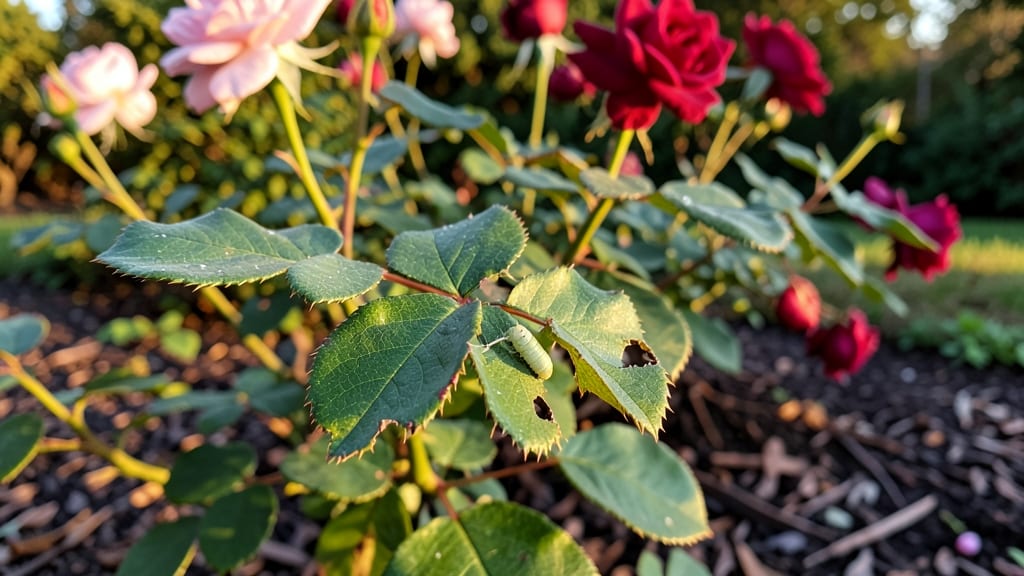
Something is eating my rose leaves, and I’ve spent years tracking down the culprits—from the telltale lacework of Japanese beetles to the slime trails of slugs. 🌿 The damage isn’t just unsightly; it weakens your roses, leaving them vulnerable to disease.
But here’s the good news: most of these pests leave behind clues, and once you know what to look for, you can act fast to save your plants. The first step is identifying the damage: chewed edges (slugs), skeletonized leaves (beetles), or sticky residue (aphids).
Each leaves behind a different signature, and knowing the difference means you can target the right solution—whether it’s a simple spray, a physical barrier, or introducing beneficial predators. I’ve tested these methods in my own garden, and they work within days.
By the end of this, your roses will be protected from further damage, with stronger stems and healthier foliage. The key is acting quickly—before the pests move on to your next favorite plant. Let’s get those leaves back in top shape.
Fair warning: some solutions require patience, like handpicking beetles or setting up beer traps for slugs. But the payoff—roses that bloom freely without constant nibbling—is worth it. I’ve even seen roses recover from heavy damage when treated early enough.
The secret is consistency: check your plants regularly, especially after rain or at dusk when pests are most active.
This works for backyard gardens, container roses, and even community garden plots. The same principles apply whether you’re dealing with a single bush or an entire rose garden. Once you’ve identified the culprit, the fixes are simple but effective—no need for harsh chemicals unless absolutely necessary.
Here’s the thing—most gardeners overlook the early signs of damage, and that’s when the problem spirals out of control. But with these steps, you’ll catch it fast and keep your roses thriving all season. Trust me, your bushes will thank you.
Root Causes of Leaf Loss
When your roses start looking like a salad bar for unseen critters, the damage is rarely random—it’s the result of specific behaviors by hungry pests or environmental stressors. Understanding these triggers is the first step to reclaiming your garden’s beauty. Let’s break down the why behind the nibbling.
Roses are a buffet for insects with a taste for tender foliage. These pests don’t just snack—they systematically dismantle leaves, leaving behind telltale signs of their identity.
🔍 Japanese Beetles: The Gluttonous Invaders
Japanese beetles (Popillia japonica) are voracious leaf skeletonizers, meaning they chew between the veins of rose leaves, leaving a lacy, half-eaten mess.
These metallic-green beetles with copper wings target roses, hibiscus, and grapes, and they multiply rapidly in warm climates. - Why it happens: Adult beetles emerge in late spring to summer, drawn to roses by their scent.
They feed for 6–8 weeks, laying eggs in soil that hatch into grubs (which later become next year’s beetles). - Actionable clue: Look for irregular holes and chewed edges—often paired with beetle droppings (frass) that resemble tiny black pepper flakes.
🐞 Rose Slugs & Sawfly Larvae: The Sneaky Defoliators
These caterpillar-like pests (not actual slugs) are the larvae of sawflies (Endelomyia aethiops or Caliroa cerasi).
They strip leaves completely, leaving only the tougher midribs behind. - Why it happens: Sawfly larvae prefer roses, apples, and cherries and thrive in humid conditions.
Females lay eggs on undersides of leaves, and larvae hatch in 5–10 days, feeding for 2–3 weeks before pupating in soil. - Actionable clue: Check for smooth, window-pane-like damage and small, green, slug-like larvae clustered on leaves.
🐜 Spider Mites: The Silent Sap Suckers
While they don’t eat entire leaves, two-spotted spider mites (Tetranychus urticae) weaken roses by piercing cells and sucking out sap, causing yellow stippling that eventually turns brown and crispy. - Why it happens: These microscopic pests explode in populations during hot, dry weather (they thrive at 90°F+).
They spin fine webs on undersides of leaves, making them hard to spot until damage is severe. - Actionable clue: Look for fine webbing, speckled leaves, and bronzing (a rusty-red tint) on foliage.
Not all leaf loss comes from insects—disease and environmental stress can mimic pest damage, making diagnosis tricky.
🍄 Black Spot & Powdery Mildew: Fungal Feasts
Fungal diseases like black spot (Diplocarpon rosae) and powdery mildew (Sphaerotheca pannosa) don’t eat leaves, but they destroy tissue, causing holes, spots, and premature leaf drop.
- Why it happens:
- Black spot thrives in wet, shady conditions and spreads via spores.
It creates dark, circular lesions with yellow halos. - Powdery mildew loves high humidity and appears as white, powdery patches that turn leaves brittle. - Actionable clue: Fungal damage is often symmetrical (unlike insect chew marks) and may appear on multiple leaves at once.
🌞 Heat & Drought Stress: When Leaves Wilts Away
Extreme heat or prolonged drought causes roses to curl, yellow, and drop leaves—mistaken for pest damage. - Why it happens: Roses need consistent moisture (1–2 inches per week).
When soil dries out, leaves scorch at the edges and may fall prematurely. - Actionable clue: Check soil moisture 1 inch below the surface—if it’s dry, your roses are thirsty, not being eaten.
🌿 Over-Fertilization: Too Much of a Good Thing
Excess nitrogen or imbalanced fertilizers lead to soft, sappy growth that attracts pests and causes leaves to yellow, curl, or drop. - Why it happens: Over-fertilized roses grow weak, tender leaves that are easier targets for insects.
Plus, excess salts in soil can burn roots, stressing the plant. - Actionable clue: Look for dark green, leathery leaves with burnt tips—a sign of fertilizer burn.
To pinpoint the culprit:
- Inspect leaf undersides (eggs, webs, or larvae hide there).
- Check for frass (insect droppings) or sticky residue (aphid honeydew).
- Monitor timing—Japanese beetles peak in July/August, while sawflies strike in early summer.
- Compare damage patterns: - Lacy holes = Japanese beetles - Stripped leaves = Sawfly larvae - Speckled/yellowing = Spider mites - Dark spots = Black spot fungus
Once you ID the cause, you can target treatments—whether it’s neem oil for mites, handpicking beetles, or fungicide for mildew. The key? Act fast before the damage spreads!
Quick Fixes for Chewed Rose Leaves
Now that you’ve identified the culprit behind those ragged rose leaves, it’s time to act fast! 🚀 Whether it’s slugs, caterpillars, or aphids causing the damage, each pest requires a targeted approach.
Below, we’ll break down practical, step-by-step solutions for the most common offenders—plus prevention tips to keep your roses lush and intact.
Signs: Large, irregular holes with silvery slime trails; leaves chewed at night.
How to Stop Them 🔥 Set Up Barriers
- Create a copper tape barrier around your rose beds (slugs hate the electric-like shock it gives off). Or try diatomaceous earth (food-grade only!) in a 1-inch band around plants—it dehydrates their slimy bodies.
- Beer traps work too!
Bury a shallow dish filled with beer near the roses. Slugs crawl in but can’t escape.
🍳 Manual Removal (Best at Night)
- Shine a flashlight after dark—slugs are most active then. Pick them off by hand and drop them in soapy water (💡 Pro tip: Wear gloves; some slugs carry parasites!).
👨🍳 Natural Predators
- Encourage ground beetles, frogs, and birds by adding mulch or a small water feature. They’ll hunt slugs for you!
🌡️ Prevention Tips
- Water in the morning (slugs hide during the day but emerge at night when it’s damp).
- Remove hiding spots like thick mulch piles or debris under pots.
Signs: Skeletons of leaves left behind; frass (tiny black droppings) on foliage; sawfly larvae look like fuzzy green worms.
How to Stop Them
🔪 Handpick & Destroy
- Check under leaves and new growth daily. Drop caterpillars into soapy water or a sealed bag (💡 Pro tip: Use tongs—some caterpillars sting!).
🍎 Bacillus Thuringiensis (Bt)
- Spray Bt kurstaki (a natural bacteria) on leaves. It’s safe for humans and pets but deadly to caterpillars. Reapply after rain.
🎯 Neem Oil Spray
- Mix 1 tsp neem oil + 1 tsp mild soap + 1 quart water. Spray early morning or late evening to avoid harming bees. Repeat every 5–7 days.
⏰ Timing Matters
- Sawfly larvae appear in late spring. Rose slugs (sawfly larvae) love new growth—prune affected areas immediately to remove eggs.
Signs: Sticky residue (honeydew), curled or yellowing leaves, tiny webs (mites), or clusters of tiny green/black bugs.
How to Stop Them
💦 Blast Them Off
- Strong spray of water (early morning) knocks aphids off plants. Repeat every 2–3 days for heavy infestations.
🌿 Introduce Beneficial Insects
- Ladybugs, lacewings, and parasitic wasps love aphids. Buy them online or attract them with dill, fennel, or marigolds nearby.
🥗 Homemade Spray Recipes
- Soap spray: 1 tbsp castile soap + 1 quart water. Spray directly on pests (avoid flowers to protect pollinators).
- Garlic spray: Blend 2 garlic cloves + 1 tsp cayenne pepper + 1 quart water. Strain and spray (💡 Pro tip: Reapply after rain).
🌡️ Prevention Tips
- Avoid over-fertilizing (aphids love tender new growth).
- Prune regularly to improve airflow and reduce hiding spots.
- Use reflective mulch (like aluminum foil) to deter mites (they hate light).
Signs: Large, cleanly chewed leaves; damage often at night or dawn.
How to Stop Them
🛡 Pro tip: Reapply after rain).
🐶 Livestock Guardians
- A goat, sheep, or even a dog can deter deer. Even a motion-activated sprinkler (like ScareCrow) startles them away.
🌿 Plant Repellents
- Surround roses with deer-resistant plants like lavender, rosemary, or Russian sage.
Signs: Dark spots with yellow halos; leaves turn brown and drop.
How to Stop Them
🍄 Fungicide Sprays
- Use copper fungicide or neem oil (mix 2 tbsp neem oil + 1 tsp soap + 1 gallon water). Spray every 7–10 days during wet seasons.
✂️ Prune & Clean Up
- Remove infected leaves immediately and sterilize pruners with rubbing alcohol.
- Avoid overhead watering—water at the base of plants.
🌡️ Prevention Tips
- Space plants for airflow (fungi thrive in humidity).
- Choose resistant rose varieties (e.g., ‘Knock Out’ roses).
- Mulch properly (2–3 inches of organic mulch) to retain moisture and suppress weeds (which attract pests).
- Rotate treatments to prevent resistance (e.g., alternate neem oil with insecticidal soap).
- Inspect regularly—catch problems early before they spread!
By acting fast and using targeted, eco-friendly methods, your roses will bounce back stronger than ever. 🌹💪 Which pest is plaguing your garden? Drop a comment below—we’re happy to help!
Frequently asked questions about rose leaf damage
Why do my rose leaves look like Swiss cheese?
Those lacy holes are classic signs of Japanese beetles or rose slugs (sawfly larvae). Japanese beetles chew between leaf veins, while rose slugs strip leaves completely. Check for tiny black frass (droppings) or fuzzy green caterpillars hiding underneath leaves. These pests thrive in warm, sunny conditions—act fast with neem oil or handpicking!
Can deer be eating my rose leaves?
Yes! Deer often chew large, clean edges from leaves, especially at dawn or dusk. Look for uneven, jagged holes rather than the skeletonized damage from insects. Try repellent sprays, physical barriers, or planting deer-resistant companions like lavender or rosemary around your roses.
What’s the fastest way to stop slug damage?
For immediate results, set up beer traps (bury a shallow dish of beer near plants) or create a copper tape barrier around rose beds. Slugs hate the electric-like shock copper gives off! Water your garden in the morning instead of evening to dry out hiding spots—slugs need moisture to move around.
Are those yellow spots on my leaves from pests?
Not always! Yellow spots with dark centers are likely black spot fungus, while speckled yellowing suggests spider mites. Fungal spots often appear symmetrical and may have yellow halos, while mites leave fine webbing on leaf undersides. Treat fungus with copper fungicide and mites with neem oil or a strong water spray.
Will my roses recover from heavy damage?
Roses are resilient—prune back damaged leaves to encourage new growth, and focus on root health with balanced fertilizer. If pests were the issue, treat the remaining foliage and monitor closely. With proper care, your roses will bounce back stronger—just give them time to regenerate!