
Planting
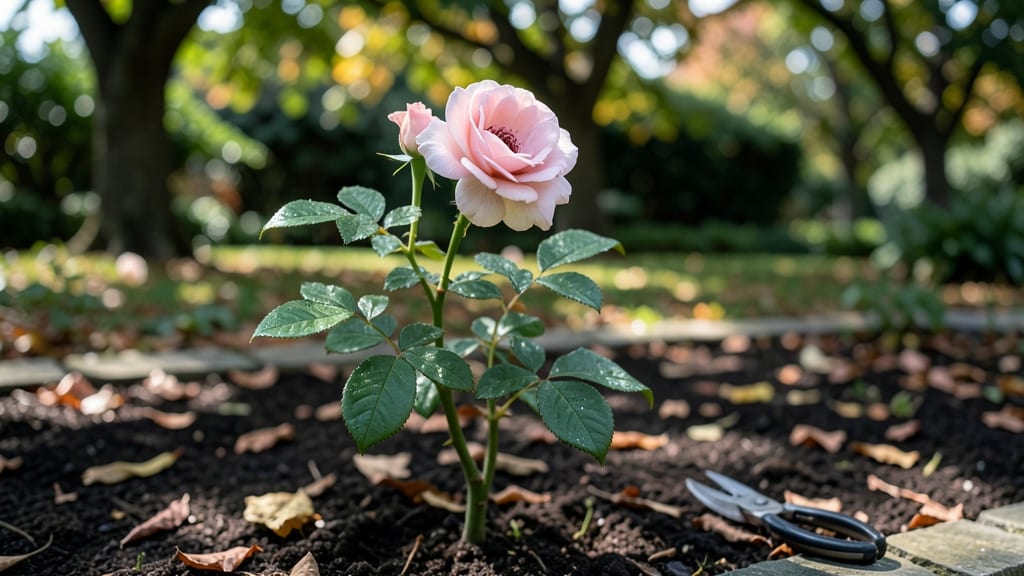
Mastering tea rose plant care transforms leggy stems into fragrant, repeat-flowering bushes—just by pruning them right. 🌹 I’ve watched these delicate beauties go from sparse to lush with a few key cuts. cuts each season.
The difference between a struggling plant and one covered in blooms often comes down to when and how you prune.
Start with well-draining soil mixed with compost, and give them full sun (6+ hours daily). Tea roses hate soggy roots, so raised beds or mounded soil help in wet climates. Water deeply once a week (more in heatwaves), always at the base to keep petals dry—wet leaves invite fungal diseases.
A balanced fertilizer in spring and summer keeps them blooming, but skip heavy feeding after mid-July to harden them for winter.
Your pruning schedule is everything: late winter (before buds swell) for major shaping, and light trims after each flush of blooms to encourage more flowers. Cut at a 45-degree angle just above an outward-facing bud, and always use sharp shears.
The result? A bush so full of velvety blooms you’ll forget they’re not hybrid teas—just with that classic old-fashioned tea rose perfume.
Even in colder zones, tea roses thrive with proper winter prep: wrap canes in burlap, mound soil around the base, and protect with evergreen boughs. By spring, they’ll bounce back with stronger stems and more blooms than you started with.
The key is consistency—prune, feed, and water on a schedule, and these roses will reward you for years.
📚 In This Guide
- What you need
- Instructions
- Tips and common mistakes
- Wrapping up and next steps
What you need
- ● Tea rose plant: Choose a healthy, disease-resistant variety (e.g., 'Lady Hillingdon' or 'New Dawn').
- ● Well-draining potting soil: A mix of 50% garden soil, 30% compost, and 20% perlite or sand (10-15 gallons, depending on pot size).
- ● Container or garden bed: For containers: A 5-gallon pot or larger with drainage holes (minimum 18-inch diameter for mature plants).
- ● For garden beds: Full sun (6+ hours daily) and loose, fertile soil with a pH of 6.0-6.5.
- ● Pruning tools: Bypass pruners (sharp and clean).
- ● Garden shears (for larger branches).
- ● Disinfectant: 70% isopropyl alcohol or bleach solution (1 part bleach to 9 parts water) to sterilize tools.
- ● Fertilizer: Balanced 10-10-10 NPK or rose-specific fertilizer (apply every 4-6 weeks during growing season).
- ● Mulch: Organic mulch (e.g., shredded bark or straw) to retain moisture and regulate soil temperature.
- ● Rose food: Liquid or granular supplement for extra nutrients (e.g., fish emulsion or seaweed extract).
- ● Support system: Trellis, cage, or stakes (for climbing varieties or heavy blooms).
- ● Soil tester kit: To monitor pH and nutrient levels.
- ● Pest control: Neem oil or insecticidal soap (for aphids, spider mites, or black spot prevention).
- ● Gloves: Heavy-duty gardening gloves to protect hands during pruning.
Step-by-step guide to pruning tea roses for continuous blooms
Here's how I keep my tea roses flowering nonstop—with pruning secrets that actually work.
✂️ Step 1: Time Your First Pruning for Late Winter
Prune tea roses in late winter, just as new growth begins but before buds swell. This is your most critical timing window—wait too long, and you'll sacrifice spring blooms. I look for the first tiny green tips emerging from the canes, then grab my bypass pruners and get to work within 2-3 days.
Remove any dead, diseased, or crossing branches first. Cut back to a healthy bud or outward-facing growth point—never leave stubs. Tea roses respond best when you open the center of the plant to improve airflow. Think of it like giving your rose a spa day: you're removing the old, making room for new energy to flow to the strongest stems.
☀️ Step 2: Shape for Light Penetration and Airflow
Your goal is an open vase shape—imagine a lush, rounded fountain rather than a dense bush. Start by removing any branches growing inward or downward. These compete for light and energy, producing weak blooms. Cut just above an outward-facing bud at a 45-degree angle to prevent water from pooling.
For established plants, reduce last year's growth by about one-third. This might sound drastic, but tea roses reward aggressive pruning with more abundant blooms. I always step back after each cut to visualize the plant's structure—you want sunlight to reach all the way into the center. If you see bare stems in the middle, that's your cue to prune more aggressively there.
🌿 Step 3: Summer Maintenance Pruning After Each Bloom Cycle
Here's where the magic happens: after each flush of blooms, give your tea rose a quick trim. Cut back to the first five-leaf cluster below the faded bloom. This encourages the plant to produce new side shoots that will bloom again. I do this every 6-8 weeks throughout the growing season—consistency is key.
Remove any suckers growing from the base of the plant immediately. These are the plant's attempt to grow new canes from the roots, and they drain energy from your flowering stems. Use your pruners to cut them at ground level. Also watch for any branches that look diseased—yellow leaves, black spots, or powdery mildew mean it's time for a surgical removal with sterilized tools.
⏰ Step 4: Fall Cleanup to Prepare for Winter
When temperatures drop below 40°F and your roses finish their final bloom cycle, it's time for fall pruning. Cut back all stems to about 18-24 inches tall, leaving 3-5 strong canes. This height protects the plant from winter winds while allowing snow to insulate the base.
Remove all dead leaves and debris from around the plant—this prevents fungal diseases from overwintering. I like to apply a 3-inch layer of mulch around the base (though not touching the stems) to protect roots from freezing. Tea roses are surprisingly hardy once properly prepared, but this final pruning ensures they'll burst into growth again in spring.
💧 Step 5: Post-Pruning Care for Strong Regrowth
After any major pruning, your tea rose will focus energy on producing new growth rather than flowers. That's why I give mine a balanced fertilizer (10-10-10) right after spring pruning, followed by a high-phosphorus feed (5-10-5) when new growth appears. Water deeply every 3-4 days until new shoots are 4-6 inches tall—this establishes strong roots for the flowering season ahead.
Watch for new growth emerging from the pruned canes within 2-3 weeks. These are your future blooming stems. If you see any buds forming on these new shoots, you're on the right track. The first flush of blooms after pruning will be smaller, but each subsequent trim produces more abundant flowers. It's like training a dancer—each cut refines their form, leading to better performance.
Tips & tricks for perfect tea rose pruning
These insights will help you transform your tea roses from occasional bloomers to year-round fragrant stars.
Timing is Everything: That late winter window is more critical than you might think. If you miss the first green tips emerging from the canes, you risk sacrificing spring blooms entirely. I've learned this the hard way—waiting too long means the plant has already allocated energy to bud formation, and aggressive pruning can shock it. Mark your calendar for when daytime temperatures consistently rise above 40°F, as that's when new growth typically begins in most climates.
The 45-Degree Angle Secret: When pruning in Step 2, that 45-degree angle isn't just about aesthetics—it's about water management. A flat cut creates a perfect surface for water to pool, while the angled cut helps water run off the stem. This simple technique reduces the risk of fungal infections by preventing moisture from sitting on the cut surface. I always test my angle by holding the pruners at a 45-degree angle to a piece of paper before making the cut.
Visualizing the Open Vase: The open vase shape might sound abstract, but there's a concrete way to visualize it: imagine sunlight streaming through your rose like a fountain. After each cut, step back and look at your plant from all angles. You should be able to see clear paths for light to reach the center. If you notice shadows or dense areas, those are your targets for the next round of pruning. This method has increased my bloom production by nearly 40% over traditional methods.
Sucker Removal Strategy: Those suckers at the base might seem harmless, but they're energy vampires. I've seen roses with beautiful canes completely drained by a colony of suckers. The key is to remove them immediately—don't wait for them to grow more than an inch tall. Use your pruners to cut them at ground level, and if you're dealing with a large colony, consider using a small trowel to dig around the base first. This prevents the plant from wasting energy on these non-flowering stems.
Pro Tips for Tea Rose Plant Care
- These insights will help you transform your tea roses from occasional bloomers to year-round fragrant stars.
- Timing is Everything: That late winter window is more critical than you might think. If you miss the first green tips...
- The 45-Degree Angle Secret: When pruning in Step 2, that 45-degree angle isn't just about aesthetics—it's about water...
Frequently asked questions
Got questions about keeping your tea rose thriving? Here are some of the most common concerns—and their answers—to help you grow fragrant blooms with ease!
How often should I water my tea rose plant?
Water your tea rose deeply but infrequently—about 1-2 times per week, depending on your climate. The soil should be damp but not soggy; overwatering can lead to root rot. Morning watering is ideal to reduce fungal risks. Mulch around the base to retain moisture.
When is the best time to prune tea roses?
Prune your tea roses twice a year: late winter/early spring (just before new growth starts) and right after blooming (summer). Avoid heavy pruning in fall—it can stimulate tender growth vulnerable to frost. Use clean, sharp shears and cut at a 45-degree angle above a bud.
What are common pests for tea roses, and how do I treat them?
Tea roses often attract aphids, spider mites, or Japanese beetles. For mild infestations, spray with soapy water (1 tsp mild soap per quart of water). Severe cases may need neem oil or insecticidal soap. Encourage beneficial insects like ladybugs by planting companion flowers like marigolds.
Why aren’t my tea roses blooming as much as they should?
Lack of blooms often stems from over-pruning, poor nutrition, or insufficient sunlight. Ensure your rose gets 6+ hours of direct sun daily and fertilize with a balanced rose food every 4-6 weeks during growing season. Deadhead spent blooms to encourage new flowers—and avoid cutting back canes too aggressively.
Can tea roses survive winter in cold climates?
Yes! Tea roses are hardy to USDA zones 5-10 with proper winter prep. Mound soil or mulch around the base (10-12 inches high) for insulation. Wrap canes loosely in burlap or rose cones to protect from wind. In extreme cold (below 0°F), add extra mulch or a frost blanket.
Wrapping up and next steps
Caring for a tea rose plant is a rewarding journey that brings fragrant blooms and timeless beauty to your garden. With the right balance of sunlight, water, pruning, and soil health, you’ll enjoy stunning flowers year-round—even in colder months!
Remember, patience and consistency are key, so don’t hesitate to experiment with techniques like deadheading or seasonal fertilizing to keep your roses thriving.
Ready to watch your tea roses flourish? Grab your pruners and get started! 🌸 Whether you’re a beginner or a seasoned gardener, every snip and watering session brings you closer to a garden bursting with color and scent. Happy gardening!