
Planting
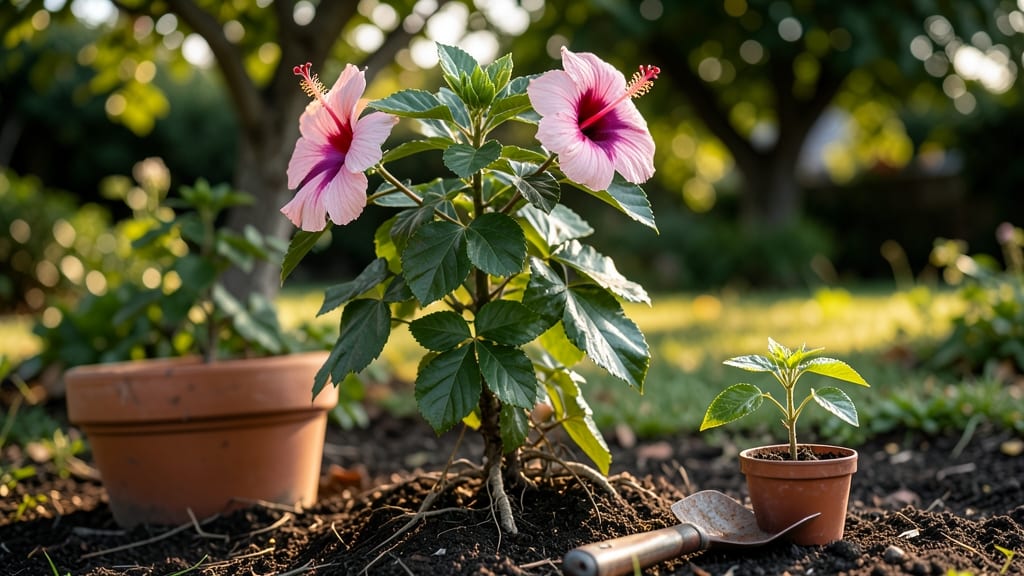
Transplanting your Lenten rose shouldn't feel like a gamble—especially when root-bound shock can turn a thriving plant into a sad shadow. 🌱 I’ve moved mine three times, and the secret isn’t brute force; it’s timing, soil, and a little patience.
The best window is late spring or early fall, when temperatures hover in the 50s, giving roots time to settle before summer’s heat or winter’s chill.
Start by loosening the roots gently with your fingers—no sharp tools—then pop it out of its pot to check for a tight, tangled mass. If you see circling roots, tease them apart with your hands (yes, really).
The soil mix should be 60% native soil and 40% compost, with a handful of perlite to keep it airy. Water it deeply before moving it to its new home, and shade it for the first 48 hours to reduce stress.
By week 3, you’ll spot fresh growth—dark green leaves and maybe even a new bud. The key is consistency: water when the top inch feels dry, but never let it sit soggy. Mulch lightly to lock in moisture, and watch for slugs (they adore tender new growth).
If leaves yellow, it’s usually overwatering; brown edges? Too dry. This method works for container-bound plants or in-ground moves, and it’s foolproof for beginners. Just avoid transplanting in summer’s peak or deep winter, and your Lenten rose will reward you with years of blooms. Let’s get those roots happy!
📚 In This Guide
- What you need
- Instructions
- Tips and common mistakes
- Wrapping up and next steps
What you need
- ● Lenten Rose Plant: 1 root-bound Helleborus (ensure it’s healthy with no signs of disease).
- ● New Pot: 1 container 2–4 inches larger in diameter than the current pot (ensure it has drainage holes!).
- ● Well-Draining Potting Mix: 3–5 gallons of a chalky, loamy blend (e.g., 50% garden soil, 30% compost, 20% perlite or sand).
- ● Garden Gloves: 1 pair (to protect your hands from prickly stems).
- ● Trowel or Spade: 1 small-handled tool (for digging and loosening roots).
- ● Watering Can or Hose: With a gentle spray nozzle (to avoid disturbing the soil).
- ○ Mulch (Optional but Recommended): 1–2 inches of organic mulch (e.g., bark chips or shredded leaves) to retain moisture.
- ● Pruning Shears: 1 pair (for trimming any damaged roots or foliage post-transplant).
- ○ Root Stimulator (Optional): 1 bottle (e.g., mycorrhizal fungi or seaweed extract to boost root growth).
- ● Plant Support (If Needed): 1 small stake (if your lenten rose is top-heavy or leggy).
- ○ Houseplant Fertilizer (Optional): A balanced, low-nitrogen formula (e.g., 5-10-5) for post-transplant care.
Step-by-step instructions for transplanting Lenten rose
Here's how to breathe new life into your root-bound Lenten rose with minimal fuss.
🪴 Step 1: Prepare the New Planting Site
Choose a location with partial shade—Lenten roses thrive in morning sun and afternoon shade, especially in hotter climates. The new spot should have well-draining soil mixed with 2-3 inches of compost to give roots a nutrient boost. I dig a hole twice as wide as the root ball but only as deep as the container's drainage holes—this prevents burying the crown too deeply, which can rot stems.
Loosen the soil at the bottom of the hole with a fork to encourage root spread. If your garden soil is heavy clay, mix in a handful of perlite or coarse sand to improve drainage. The goal is loose, airy soil that won’t suffocate roots as they adjust. Water the hole lightly before planting to settle the soil and eliminate air pockets.
🌱 Step 2: Gently Remove and Inspect the Root Ball
Water the Lenten rose 24 hours before transplanting to reduce root shock—moist roots handle disturbance better. Turn the container on its side and tap gently until the plant slides out. If it sticks, run a knife around the edges to loosen the root ball. You’ll often see circular roots pressed against the container walls, a sign it’s been root-bound. This is normal—just tease the worst tangles apart with your fingers.
Inspect the roots for dark, mushy areas—these indicate rot and should be trimmed away with sterilized scissors. Healthy roots are white or light tan. If the root ball is completely dry, soak it in lukewarm water for 10 minutes before planting. Never force dry roots into fresh soil—they’ll struggle to absorb moisture immediately.
☀️ Step 3: Transplant and Establish New Growth
Place the Lenten rose in the hole so the top of the root ball sits level with the surrounding soil—burying too deep smothers the plant, while planting too high stresses roots. Fill the hole with soil, pressing gently to eliminate gaps. Water deeply until moisture runs out the drainage holes. This settles the soil and removes air pockets that can strangle roots.
After transplanting, keep the soil evenly moist for 4-6 weeks—not soggy, not bone-dry. Mulch with 2 inches of organic mulch (like shredded bark) to retain moisture and regulate temperature. Avoid fertilizing for 6-8 weeks—the plant needs time to establish roots before handling extra nutrients. You’ll see new growth in 2-3 weeks if conditions are right.
Tips & tricks for transplanting a Lenten rose
Transplanting your Lenten rose doesn't have to be stressful—these simple tricks ensure a smooth transition and healthy new growth.
The Watering Window: That 24-hour watering before transplanting is your secret weapon against root shock. Think of it like giving your plant a hydration boost before a big move—moist roots are far more resilient during the transfer. If your Lenten rose is particularly root-bound, extend this to 36 hours for maximum benefit, but never skip the 24-hour minimum.
Root Inspection Pro Tip: When you spot those circular roots pressed against the container, don't panic—they're actually a good sign of a healthy, established plant. Gently tease them apart with your fingers (no need for tools!) to encourage outward growth. This is where your plant will start spreading into its new home. For stubborn roots, a quick dip in lukewarm water for 10 minutes helps loosen them without damaging delicate root tips.
Soil Science: The key to that perfect planting hole is creating a "root-friendly" environment. Mix your 2-3 inches of compost thoroughly with the native soil—this isn't just about nutrients, it's about creating a sponge-like texture that holds moisture while allowing excess to drain. Pro move: Add a handful of perlite or coarse sand if your soil feels dense when squeezed—it should crumble easily, not stick together.
Post-Transplant Care: Those 4-6 weeks of even moisture are non-negotiable, but here's the secret: Use your finger to check soil moisture about 1 inch down. If it feels dry, water deeply until it runs out the drainage holes. The 2 inches of mulch acts like a blanket—it keeps roots cozy while preventing soil from drying out too quickly. I like to add a thin layer of straw around the base to deter weeds that compete for moisture.
Pro Tips for Transplant Lenten Rose
- Transplanting your Lenten rose doesn't have to be stressful—these simple tricks ensure a smooth transition and healthy new growth.
- The Watering Window: That 24-hour watering before transplanting is your secret weapon against root shock.
- Root Inspection Pro Tip: When you spot those circular roots pressed against the container, don't panic—they're actually a good sign of a healthy, established plant.
Frequently asked questions
Got questions about transplanting your transplant lenten rose? You’re not alone! Here are some common concerns—and straightforward answers—to help you succeed.
When is the best time to transplant a lenten rose?
The ideal window is early spring (March–April) or late fall (October–November), when temperatures are mild. Avoid extreme heat or frost—root stress makes recovery harder. If your plant is root-bound now, prioritize transplanting before summer drought sets in.
How do I know if my lenten rose is root-bound?
Check for these signs: roots circling the pot’s bottom, soil drying out too quickly, or roots growing through drainage holes. Gently remove the plant—if roots are dense and tangled, it’s time to transplant. Pro tip: Tap the pot’s sides to loosen compacted soil before repotting!
Can I transplant a lenten rose in summer?
While possible, summer transplanting is riskier due to heat stress. If you must move it, do so early morning, keep the plant shaded for 2 weeks, and water deeply daily. Mulch the soil to retain moisture—this helps mitigate shock during hot months.
What’s the best soil mix for a transplanted lenten rose?
Use a well-draining mix: combine 50% potting soil, 30% perlite or sand, and 20% compost. Lenten roses hate soggy roots! Add a layer of gravel at the pot’s bottom to prevent waterlogging. Bonus: A handful of orchid bark boosts aeration.
Why are the leaves yellowing after transplanting?
Yellowing leaves often signal overwatering or root shock. Let the top inch of soil dry out between waterings, and avoid fertilizing for 4–6 weeks post-transplant. If leaves drop entirely, trim them back to encourage new growth—your plant is likely redirecting energy to roots.
Can I divide a mature lenten rose during transplanting?
Yes! If your plant has multiple stems, you can gently separate them while repotting. Ensure each division has 3–5 healthy leaves and a portion of the root ball. Replant divisions in their own pots with the same soil mix. Timing tip: Divide in spring for the best success rate.
Wrapping up and next steps
Transplanting your lenten rose doesn’t have to be intimidating—with the right tools, timing, and care, you can give it a fresh start and watch it thrive! 🌱 Remember, patience and gentle handling are key, whether you’re repotting or relocating it to a new garden spot.
The reward? A stunning, vibrant plant that blooms beautifully for years to come.
Ready to take the next step? Mark your calendar for the ideal transplanting window (early spring or fall) and gather your supplies. Then, roll up your sleeves and give your lenten rose the love it deserves—your green thumb is closer than you think! 🌸