
Flowers
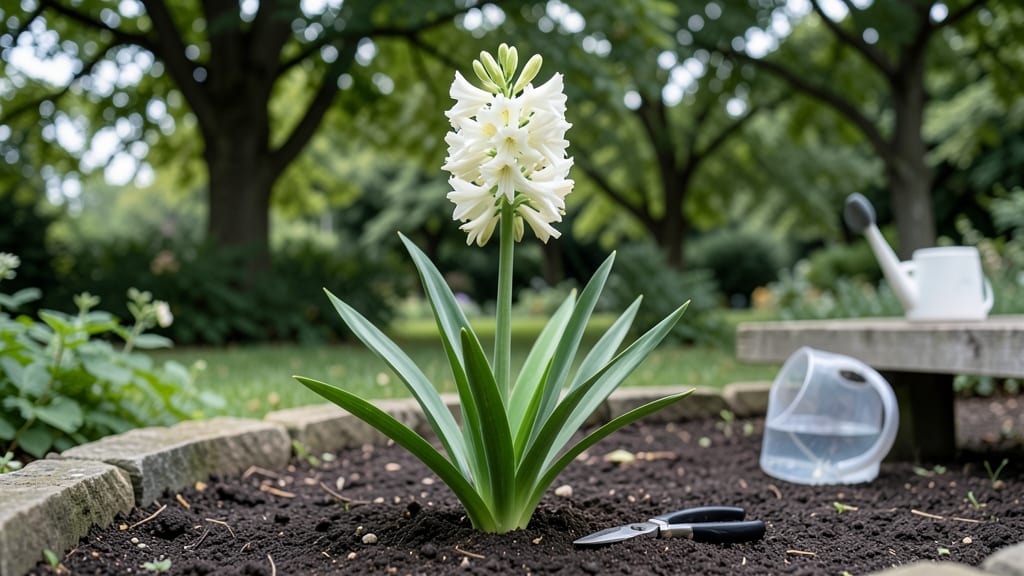
The tuberose flower meaning encompasses purity, innocence, and profound romantic love, while its divine fragrance symbolizes spiritual enlightenment and divine connections across cultures. This captivating bloom also carries connotations of seduction and mystery, making it a favored choice for weddings and intimate celebrations.
The tuberose flower's significance stretches far beyond its intoxicating scent—it's deeply rooted in cultural and spiritual traditions. 🌸 In Hindu culture, it's sacred to Goddess Lakshmi, representing wealth and devotion, while Victorian flower language associated it with elegance and secrecy.
The contrast between its celestial symbolism and its alluring aroma creates a fascinating duality, making tuberoses perfect for both sacred and sensual contexts.
What makes tuberoses truly unique is their ability to convey complex emotions through their presence alone. Their fragrance, often described as a blend of jasmine and gardenia, carries messages of both purity and passion—something no other flower captures as effectively.
Whether used in bridal bouquets or meditation spaces, their layered meanings ensure they leave a lasting impression.
💡 In This Article
- Tuberose Flower Symbolism Across Cultures and History
- How to Use Tuberose Flowers in Gardening and Floral Arrangements
Tuberose flower symbolism across cultures and history
The tuberose flower's layered symbolism stems from its celestial fragrance and delicate appearance, which ancient cultures interpreted as a bridge between earthly desires and divine connections.
In Hindu tradition, tuberoses are sacred offerings to Goddess Lakshmi, embodying prosperity and purity—often used in rituals to attract wealth and spiritual blessings. 🌸 The flower's white petals, resembling full moons, symbolize lunar energy and feminine divinity, while its intoxicating aroma was believed to elevate meditation and invoke divine presence.
Western interpretations took a different turn during the Victorian era, where tuberoses became part of the "language of flowers," representing both innocence and secrecy. Queen Victoria's court associated them with elegance and mystery, often using them in coded messages between lovers.
The contrast between their pure appearance and seductive scent created a fascinating duality—what appears angelic can also be alluring. In ancient perfumery, tuberose was prized for its ability to enhance other floral scents, much like how its symbolism layers meaning in different contexts.
What makes tuberose unique is how its meanings shift based on cultural context. In India, its divine associations make it ideal for weddings and religious ceremonies, while in Western traditions, it carries romantic undertones without the overt sensuality of roses.
The flower's fragrance, containing over 100 aromatic compounds, is so powerful that ancient Egyptians used it in embalming rituals to purify the soul—a practice that ties its scent directly to spiritual transcendence. 💫
Modern interpretations often blend these traditions, using tuberoses in weddings to symbolize both purity and passionate love. Their ability to convey complex emotions through scent and appearance makes them versatile in arrangements—whether paired with roses for romance or lotuses for spirituality.
The flower's historical use in perfumery also explains why its fragrance remains iconic in luxury scents today, carrying centuries of symbolic weight.
Interestingly, tuberoses have different meanings based on color variations. Pure white blooms represent innocence and divine love, while pale pink varieties carry softer romantic connotations. This color symbolism adds another layer to their cultural significance, allowing gardeners and florists to tailor their meanings through careful selection.
The flower's dual nature—both sacred and seductive—makes it one of the most fascinating blooms in floral symbolism.
What most people don't realize is that tuberoses were once considered rare and exotic in Europe, reserved for royalty and elite perfumers. Their introduction to Western gardens in the 18th century created a sensation, with botanists like Joseph Pitton de Tournefort documenting their unique properties.
This historical rarity adds to their mystique, making them more than just pretty flowers—they're living symbols of cultural exchange and spiritual significance. ✨