
Propagation
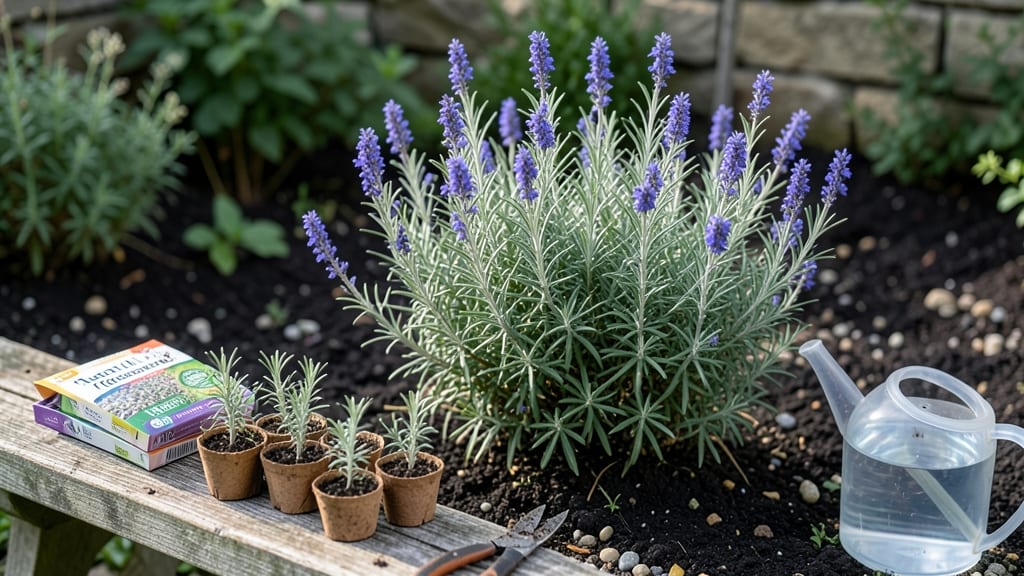
Growing Tuscan Blue rosemary from seeds unlocks a fragrant, drought-resistant plant with striking blue foliage that thrives with almost no fuss. 🌱 I’ve started dozens of rosemary seeds, and this variety stands out for its hardiness—once established, it practically grows itself while filling your garden with a piney, citrusy aroma.
The key lies in mimicking its Mediterranean roots: warm soil, bright light, and patience through the slow germination phase. You’ll need just three things to begin: a shallow tray or small pots, well-draining soil mix (equal parts potting soil and perlite), and a sunny windowsill or grow light.
Plant the tiny seeds ¼-inch deep, barely covering them, since they need light to germinate. Water gently but avoid soggy soil—rosemary seeds hate dampness and often rot before sprouting. Most take 2-4 weeks to crack open, so don’t give up if nothing happens in week one.
Once those first silver-blue needles appear, you’re past the hardest part. Keep seedlings in bright light (12+ hours daily) and water only when the top inch of soil feels bone-dry.
Transplant to the garden or larger pots after 4-6 weeks, when they’re 3-4 inches tall—they’ll handle the move better than store-bought plants. By summer, you’ll have a bushy, aromatic shrub that repels pests and attracts pollinators. This variety’s real magic?
It’s drought-tolerant once established, so you’ll water it less than most herbs. Perfect for sunny borders, containers, or even as a low-maintenance ground cover. The blue foliage also makes it a standout in silver-and-blue garden themes. Ready to grow yours?
📚 In This Guide
- What you need
- Instructions
- Tips and common mistakes
- Wrapping up and next steps
What you need
- ● Tuscan Blue Rosemary Seeds – 1 packet (50-100 seeds) (ensure they’re fresh or stored in a cool, dark place).
- ● Seed-starting trays or small pots – 4-6 inch deep, with drainage holes (or biodegradable peat pots).
- ● High-quality seed-starting mix – Lightweight, sterile, and well-draining (avoid garden soil—it’s too dense!).
- ● Grow lights or sunny windowsill – 6+ hours of indirect light daily (south-facing is ideal).
- ● Spray bottle – For gentle watering (avoid over-saturating seeds!).
- ● Plastic wrap or humidity dome – To retain moisture while seeds germinate.
- ○ Heat mat (optional but helpful) – 70-75°F for faster germination (rosemary loves warmth!).
- ● Fertilizer – Balanced, water-soluble (5-5-5 or 10-10-10) for transplanting.
- ● Mulch or pebbles – To keep soil moist and prevent crusting.
- ● Transplanting tools – Small trowel or spoon for delicate seedlings.
- ● Outdoor hardening-off supplies – If moving seedlings outside: shade cloth, stakes, or a sheltered spot.
Step-by-Step instructions for growing Tuscan Blue rosemary from seeds
Here's how to nurture these fragrant perennials into sturdy, aromatic plants with minimal fuss.
🌱 Step 1: Start Seeds Indoors for Strong Starts
Fill small seedling trays with sterile seed-starting mix and moisten it until damp but not soggy. Press the soil surface lightly to create a firm base for the tiny seeds. Tuscan Blue rosemary seeds germinate best at 70-75°F, so place the tray on a seedling heat mat if your home runs cooler.
Sprinkle seeds ⅛ inch deep—they're so small that covering them too deeply delays germination. I like to use a fine mist spray bottle to water gently, avoiding displacement. Cover the tray with plastic wrap to maintain humidity, then place it in bright, indirect light. Germination typically takes 2-4 weeks, so patience is key.
☀️ Step 2: Provide Bright Light and Prevent Legginess
The moment you see those first green sprouts, move them to a south-facing window or under grow lights for 14-16 hours daily. Rosemary seedlings stretch toward light quickly, so keep the light source within 4 inches of the trays. You'll notice strong seedlings have thick stems and deep green leaves—anything pale or spindly needs more light.
Rotate the trays quarter-turn daily so plants grow evenly. If you see seedlings leaning toward the light, your setup isn't bright enough. Supplement with a full-spectrum LED grow light if natural light is insufficient. Water only when the top ½ inch of soil feels dry—rosemary hates soggy roots.
🪴 Step 3: Transplant to Individual Pots When Ready
Once seedlings develop 3-4 sets of true leaves (about 6-8 weeks after sowing), it's time to transplant. Choose 4-inch pots with drainage holes—rosemary roots need room to breathe. Fill each pot with well-draining potting mix and create a small hole with your finger.
Gently remove a seedling by its leaves (never the stem) and place it in the hole, firming soil around the base. Water lightly to settle the roots, then place the pots in a sunny spot. Tuscan Blue rosemary thrives in full sun, so outdoor placement should get 6+ hours daily. Harden off seedlings by gradually increasing outdoor time over 7-10 days before permanent planting.
✂️ Step 4: Maintain with Pruning and Watering Wisdom
Once established, rosemary needs minimal watering—only when the soil feels completely dry. Overwatering causes root rot, which kills these drought-tolerant plants. Prune lightly after flowering to encourage bushier growth, but avoid cutting into old wood—new growth won't regenerate from hardened stems.
Pinch back the tips of new growth to promote branching. You'll see your plant fill out more densely within a few weeks. In colder climates, bring potted rosemary indoors before 25°F temperatures—these Mediterranean plants prefer warmth. With proper care, your Tuscan Blue rosemary will reward you with fragrant foliage for years.
Tips & tricks for growing fragrant Tuscan Blue rosemary
Between us, growing Tuscan Blue rosemary from seeds is one of those rewarding projects that feels like magic when those first fragrant leaves appear. Here's what I've learned to make sure your seedlings thrive from the very start.
Heat Matters: Those 70-75°F temperatures for germination are non-negotiable—this is why I always use a seedling heat mat during cooler months. If your home stays below 68°F, consider investing in a small, affordable heat mat. The difference between successful germination and waiting forever is often just a few degrees of warmth.
Lighting Strategy: The 14-16 hours of daily light in Step 2 is crucial, but here's the thing—natural light varies wildly. If your seedlings start stretching toward the window (a sign of legginess), supplement immediately with a basic LED grow light. I keep mine just 3-4 inches above the trays and adjust as the plants grow. You'll know you've got it right when the stems stay thick and upright rather than tall and spindly.
Transplant Timing: Waiting for those 3-4 sets of true leaves before transplanting in Step 3 is worth the patience. I've rushed this step before and ended up with weak seedlings that struggled to recover. When you do transplant, use the "finger test"—gently squeeze the soil around the base of the seedling. If it crumbles easily, the roots are ready for their new home in 4-inch pots.
Watering Wisdom: Rosemary's Mediterranean roots hate soggy conditions, so that "top ½ inch dry" rule in Step 2 is your golden guideline. I use a chopstick to check soil moisture—insert it gently, and if it comes out clean, it's time to water. Overwatering is the #1 killer of young rosemary plants, so err on the side of dryness rather than dampness.
Pro Tips for Tuscan Blue Rosemary Seeds
- Between us, growing Tuscan Blue rosemary from seeds is one of those rewarding projects that feels like magic when those first fragrant leaves appear.
- Heat Matters: Those 70-75°F temperatures for germination are non-negotiable—this is why I always use a seedling heat mat during cooler months.
- Lighting Strategy: The 14-16 hours of daily light in Step 2 is crucial, but here's the thing—natural light varies wildly.
Frequently asked questions
about growing Tuscan Blue Rosemary from seeds—because even the easiest plants have a few quirks! Here are answers to the most common queries to help you avoid pitfalls and grow like a pro.How long does it take for Tuscan Blue rosemary seeds to germinate?
Germination can take anywhere from 14 to 30 days—patience is key! Keep the soil consistently moist (not soggy) and maintain a warm environment (around 70–75°F). If you don’t see sprouts in 4 weeks, try gently pressing the seeds into the soil or soaking them overnight to soften the hard outer shell.
Can I grow Tuscan Blue rosemary indoors from seed?
Start seeds indoors 8–10 weeks before your last frost using a sunny windowsill or grow lights (12+ hours/day). Use a well-draining potting mix and a shallow container—rosemary hates soggy roots. Once seedlings are 3–4 inches tall, transplant them outdoors after hardening off (acclimating to outdoor temps over 7–10 days).
Why aren’t my Tuscan Blue rosemary seeds sprouting?
Seeds may fail to germinate due to cold soil, dry conditions, or old seeds. Try these fixes:
- Soak seeds in warm water for 24 hours before planting.
- Use a heat mat to keep soil warm (70–75°F).
- Check seed viability—if older than 1 year, try fresh seeds.
- Ensure the soil is light and sandy (rosemary seeds need airflow).
Is Tuscan Blue rosemary different from regular rosemary when grown from seed?
Yes! Tuscan Blue is a variegated cultivar with striking blue-green foliage and a slightly sweeter, more aromatic flavor than standard rosemary. While the growth habits are similar, its ornamental leaves make it a standout in gardens. Just note that variegated plants may take slightly longer to establish than solid-green varieties.
Can I plant Tuscan Blue rosemary seeds directly outside in my garden?
Direct sowing is possible in warm climates (zones 8–10) after the last frost, but it’s riskier than starting indoors. Seeds need consistent warmth to germinate—if your spring is chilly, opt for indoor starts. Once planted, choose a sunny, well-draining spot (rosemary hates wet feet!). Space seeds 12–18 inches apart for mature plants.
Wrapping up and next steps
Growing Tuscan Blue rosemary seeds is a rewarding journey that brings fragrant, drought-resistant beauty to your garden with minimal fuss. Whether you’re a seasoned gardener or just starting out, these hardy perennials thrive with simple care—just sun, well-draining soil, and patience.
Now that you’re armed with tips and answers to common questions, it’s time to roll up your sleeves and plant those seeds! 🌱✨
Start small—try a pot on your windowsill or a sunny patch in your yard—and watch your aromatic garden grow. Happy planting!