
Pruning
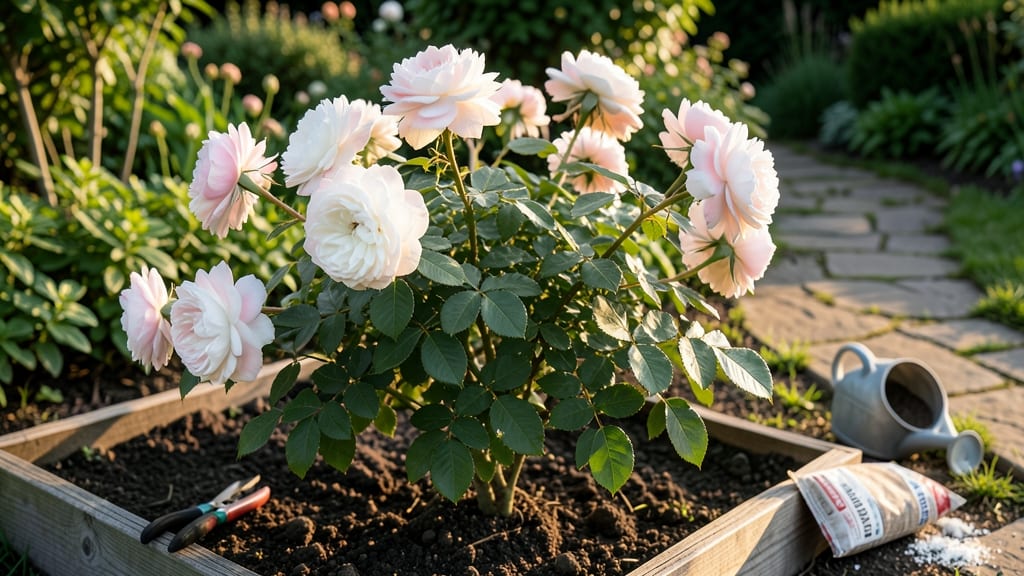
Two-toned roses transform any garden into a living watercolor painting. 🌸 Their dramatic color shifts—like blush-and-crimson or cream-and-pink—create instant visual drama that no single-hued bloom can match. I’ve seen them turn a plain border into a showstopper with just a few well-placed stems.
The secret lies in their versatile placement: pair them with silver foliage for contrast, or nestle them among deep greens to make the colors pop. In a cottage garden, they blend effortlessly with peonies and lavender; in a modern design, they anchor clean lines with their bold hues.
Even a single container arrangement becomes a statement piece when you let their two-toned magic shine. You’ll love how they adapt to seasonal color schemes—spring’s soft pinks, summer’s fiery contrasts, or autumn’s muted tones. Their precision-pruned blooms stay lush and uniform, making them the star of any design.
The best part? They thrive in borders, beds, or even as standalone focal points. For maximum impact, group them in odd numbers (3, 5, or 7) and mix heights with complementary plants like hydrangeas or salvias.
Whether your style is wild and romantic or sleek and structured, two-toned roses deliver drama with minimal effort. Let’s make your garden unforgettable!
📚 In This Guide
- What you need
- Instructions
- Tips and common mistakes
- Wrapping up and next steps
What you need
- ● Healthy rose bushes: Mature, disease-free roses (preferably hybrid teas or floribundas for best results). Quantity: 1–3 plants, depending on desired volume.
- ● Sharp pruning shears: Bypass pruners (4–6" blades) for clean cuts. Spec: Stainless steel or high-carbon steel to prevent rust.
- ● Disinfectant: 70% isopropyl alcohol or diluted bleach solution (1 part bleach to 9 parts water) to sterilize tools between cuts.
- ○ Pruning sealant (optional but recommended): Pruning wax or tree paint to protect large cuts (e.g., Farmers Pride Pruning Seal).
- ● Gloves: Heavy-duty gardening gloves (cut-resistant for safety).
- ● Measuring tape or ruler: For precise cut lengths (aim for 1/4" above a bud).
- ● Notebook & pen: To sketch your design or track progress.
- ● Colored markers or tape: To mark buds before pruning (e.g., pink tape for "light" areas, blue for "dark").
- ● Hand lens (magnifying glass): For inspecting bud health up close.
- ● Rose fertilizer: Balanced formula (10-10-10) to boost post-pruning growth.
- ● Mulch: Organic mulch (e.g., shredded bark) to retain moisture and protect roots.
- ● Camera or phone: Capture your progress—before-and-after shots are everything!
How to create stunning two-toned roses through precision pruning
This technique transforms ordinary blooms into show-stopping bicolors—no special varieties needed.
✂️ Step 1: Select Healthy Blooms Ready for Pruning
Pick fully open roses with 5-7 petals showing bright color. Avoid buds or overripe blooms—they won’t respond well. I look for deep reds, pinks, or yellows with uniform petal layers, as these create the most dramatic contrast when manipulated. The best candidates are mid-sized blooms (about 3-4 inches wide)—too small and the effect is subtle, too large and the petal layers make control difficult.
Prune in the early morning when temperatures are below 75°F and humidity is low. This reduces stress on the plant and gives you clean cuts. Use sharp, sterilized pruners—dull blades crush stems and invite disease. I wipe my pruners with rubbing alcohol between cuts to prevent cross-contamination.
🌿 Step 2: Remove Outer Petals to Expose the Center
Gently twist off the outer 3-4 petals in one motion, working clockwise around the bloom. You’ll see a paler inner layer—this is your canvas. Stop when you’ve exposed 2-3 layers of lighter-colored petals beneath. If the inner petals are the same color, choose a different bloom; the contrast is what creates the two-toned effect.
Here’s the thing—don’t pull too hard. The goal is to remove petals cleanly without damaging the stem or remaining petals. If a petal resists, use your thumbnail to lift it gently from the base. You’ll know you’ve done it right when the bloom looks like it’s wearing a pale inner lining—like a two-toned lipstick effect.
☀️ Step 3: Protect and Display for Maximum Impact
Place the pruned roses in a vase with fresh, lukewarm water (cold water can shock the stems). Trim ½ inch off the base at an angle to maximize water absorption. Add a commercial floral preservative to extend vase life—this keeps the blooms hydrated and prevents bacterial growth that can dull colors.
Display them in bright, indirect light (no direct sun, which fades petals faster). The two-toned effect will deepen over 24-48 hours as the outer petals wilt slightly, creating a natural gradient. For best results, change the water every 2 days and recut stems at a fresh angle each time.
⏰ Step 4: Maintain the Plant for Future Bicolor Blooms
After pruning, feed your roses with a balanced fertilizer (10-10-10 ratio) to encourage new growth. The plant may produce smaller blooms for a few weeks as it recovers, but this is normal. I’ve found that regular deadheading (removing spent blooms) trains the plant to focus energy on larger, more vibrant flowers for future pruning sessions.
Watch for new buds forming—these will be your candidates for next time. The key is consistency: prune the same way each time, and you’ll develop a signature two-toned style. Just remember, this technique works best on hybrid teas and floribundas—grandifloras and climbers often have too many petal layers for clean results.
Tips & tricks for perfect two-toned roses
These little details make all the difference between a pretty bloom and a showstopper.
Selection Strategy: Look for roses with slightly cupped petals—these hold their shape better after pruning. The 3-4 inch size mentioned in Step 1 is ideal because smaller blooms often lack the petal layers needed for contrast, while larger ones make precise removal trickier. I’ve found that pink roses with yellow centers create the most dramatic two-toned effect, but any color combo with clear contrast works.
Petal Removal Technique: In Step 2, work systematically around the bloom—start at the top and twist clockwise. The outer petals should come off in one clean motion, but if you hit resistance, pause and gently lift from the base with your thumbnail. This prevents tearing the delicate inner layers you’re trying to preserve. Think of it like peeling an orange: you want smooth, even removal without damaging what’s underneath.
Timing is Everything: The 24-48 hour display window in Step 3 is when the magic happens. During this time, the outer petals naturally wilt just enough to create that gradient effect, while the inner petals stay fresh. Place your vase in a spot where you’ll see it daily—this lets you monitor the progression. If you notice browning at the edges after 24 hours, move to indirect light immediately to preserve the color contrast.
Preservation Hack: For longer-lasting results, add 1 teaspoon of sugar to the vase water along with the commercial preservative. This feeds the blooms while the preservative prevents bacterial growth. I’ve kept pruned roses looking fresh for up to 5 days using this combo, though the two-toned effect peaks at 48 hours. Change the water every 2 days as instructed, but add fresh preservative and sugar each time for continuous nourishment.
Pro Tips for Two Toned Roses
- These little details make all the difference between a pretty bloom and a showstopper.
- Selection Strategy: Look for roses with slightly cupped petals—these hold their shape better after pruning.
- Petal Removal Technique: In Step 2, work systematically around the bloom—start at the top and twist clockwise.
Frequently asked questions
Got questions about growing or maintaining two-toned roses? You’re not alone! Here are some of the most common queries—plus straightforward answers to help you master these stunning blooms.
How do I know if my rose will naturally develop two tones?
Not all roses produce two-toned blooms—it’s a trait tied to specific varieties like ‘Double Delight’ or ‘Black Baccara’. Check the plant tag or research its parentage. Even then, light exposure and pruning timing play a role in enhancing the effect!
When is the best time to prune for two-toned roses?
Prune in early spring (before new growth) or late winter to encourage vibrant blooms. For dramatic two-toning, lightly trim spent blooms mid-season to redirect energy. Avoid heavy pruning in fall—it can stress the plant and dull color contrast.
What’s the secret to making the color transition sharper?
Precision is key! Use clean, sharp shears to make angled cuts just above a bud or leaf node. Focus on removing older, darker growth to expose lighter new shoots. Morning sunlight also intensifies color contrast—plant in full sun for best results!
Can I grow two-toned roses from cuttings?
Yes! Take 4–6 inch cuttings from healthy stems in summer, strip lower leaves, and root them in perlite or water. Two-toned traits may not always carry over, but you can experiment with varieties like ‘Quicksilver’ or ‘Peace’ for a chance at bicolor blooms.
Why are my two-toned roses fading to one color?
Over-fertilizing (especially with high nitrogen) can mute contrast. Try a balanced rose fertilizer (10-10-10) and ensure 6+ hours of sunlight daily. Stress from pests (aphids, spider mites) or disease (black spot) can also dull colors—inspect leaves regularly!
Wrapping up and next steps
Mastering the art of growing two-toned roses is all about patience, precision, and a little creativity! With the right tools, timing, and techniques—like strategic pruning and careful selection—you can transform ordinary blooms into breathtaking bicolor masterpieces. 🌸
Ready to elevate your garden? Start experimenting with a single rose bush this season, and don’t be afraid to tweak your approach. Before you know it, your garden will be bursting with show-stopping two-toned beauty that turns heads—and maybe even inspires your neighbors to give it a try!