
Trees
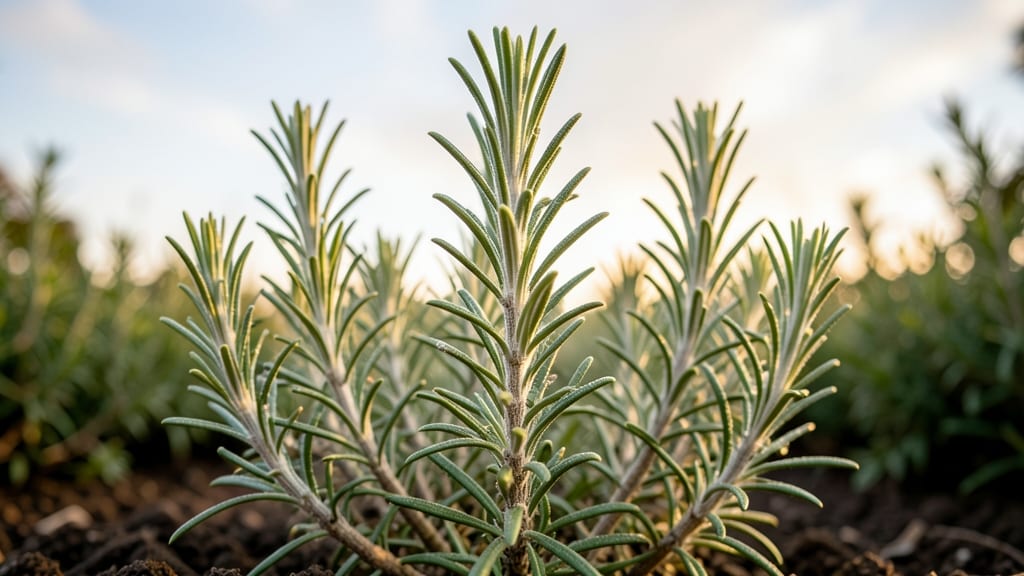
Rosemary isn’t just one plant—it’s a diverse genus with unique varieties perfect for culinary, medicinal, and ornamental uses. Learn to identify 10 types of rosemary by their leaf shapes, growth habits, and distinctive features to elevate your garden or kitchen.
Classic Upright Rosemary (Rosmarinus officinalis)
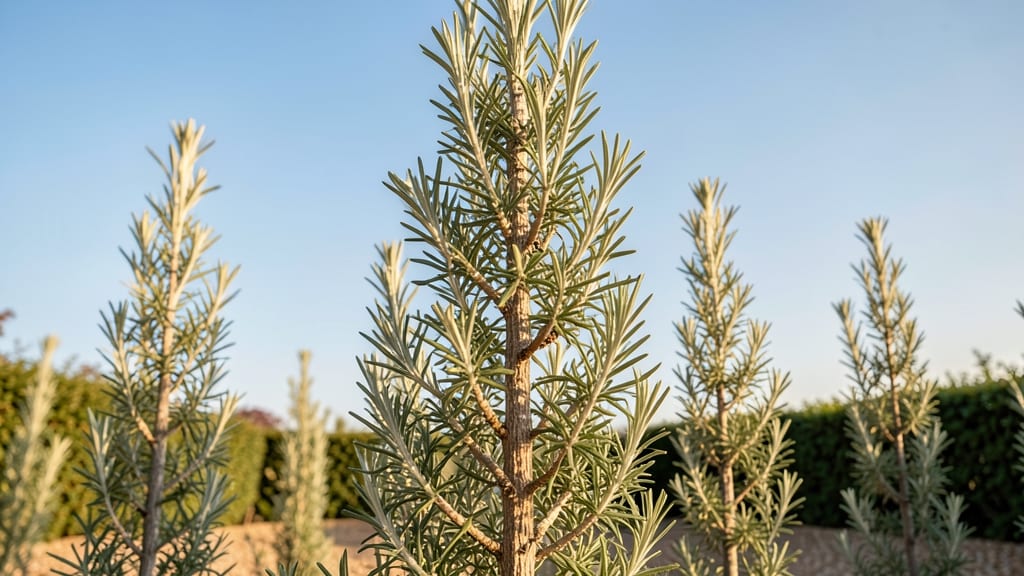
Looking for a rosemary variety that’s both versatile and striking? Classic Upright Rosemary stands out with its tall, woody stems and needle-like leaves, making it the go-to choice for hedges, vertical gardens, or as a bold focal point in sunny landscapes.
This variety thrives in full sun (6+ hours daily) and well-draining soil, reaching heights of 3-5 feet with a spread of 2-3 feet. Its fragrant foliage and delicate purple flowers add texture and aroma to any garden. Prune lightly after flowering to encourage bushier growth, and avoid overwatering—this drought-tolerant plant prefers dry conditions once established.
Perfect for urban gardeners with limited space or those wanting a low-maintenance hedge, this classic variety also doubles as a culinary herb. Its strong, pine-like flavor makes it ideal for roasts, stews, and garnishes. 🌱
Prostratus Creeping Rosemary (Rosmarinus officinalis 'Prostratus')
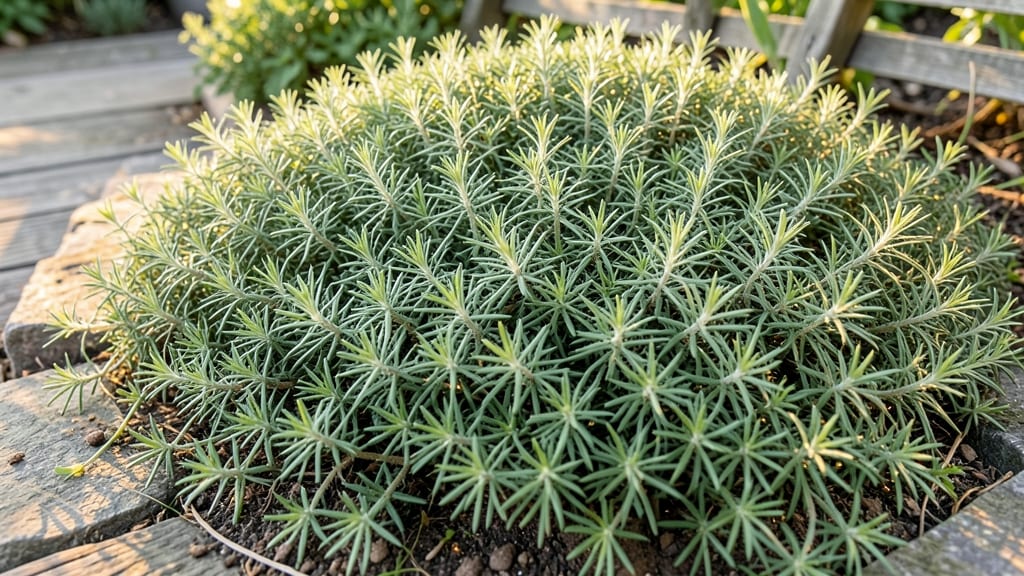
If you dream of a low-maintenance, fragrant garden that thrives on neglect, Prostratus Creeping Rosemary is your secret weapon. This sprawling ground cover spreads horizontally in a lush carpet, perfect for filling gaps between rocks, lining pathways, or cascading over walls.
With tiny, needle-like leaves and a strong rosemary scent, it’s ideal for drought-prone areas and sunny spots with 6+ hours of sun. Unlike its upright cousins, this variety stays compact (1–2 feet tall) but stretches 3–5 feet wide, making it ideal for slopes or containers. Prune lightly after flowering to keep it tidy, but otherwise, it’s nearly foolproof.
Urban gardeners and rock garden enthusiasts will love how it suppresses weeds while adding texture and fragrance. Plant it where you can enjoy its year-round greenery and subtle blooms. 🌿
Arp Rosemary (Rosmarinus officinalis 'Arp')
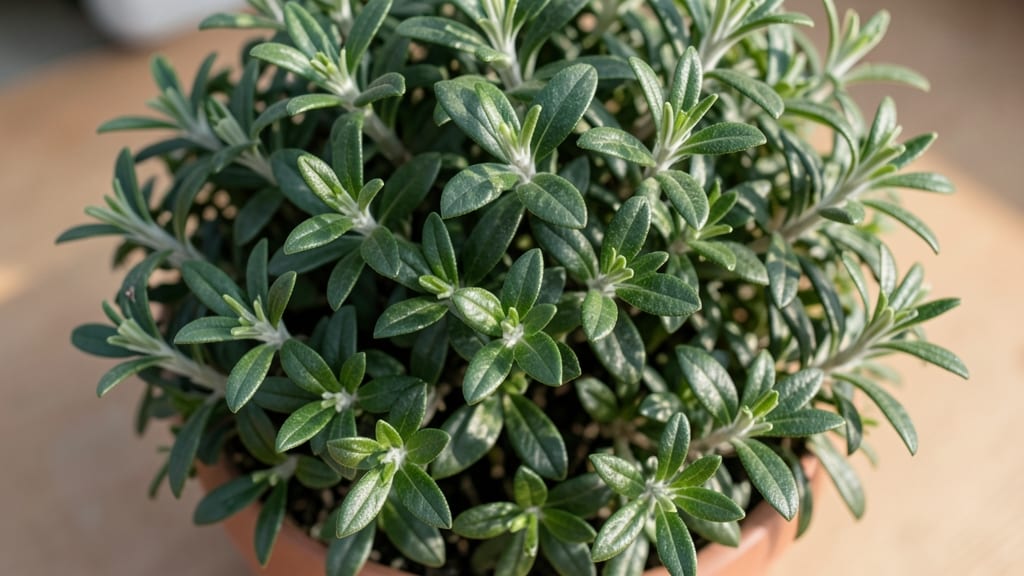
If you love rosemary but struggle with the classic needle-like varieties, Arp rosemary is your game-changer. This compact, bushy variety boasts broad, dark green leaves that resemble miniature bay leaves, making it ideal for both culinary use and container gardening.
Unlike traditional rosemary, Arp offers a sweeter, more delicate flavor, perfect for seasoning roasted meats, soups, or Mediterranean dishes. It thrives in full sun to partial shade and tolerates well-draining soil, making it a versatile choice for urban balconies or kitchen windowsills.
Gardeners with limited space or those who prefer a low-maintenance herb will appreciate its tidy growth habit and hardiness. Plus, its fragrant foliage adds a touch of elegance to any herb collection. 🌿
Blue Spires Rosemary (Rosmarinus officinalis 'Blue Spires')
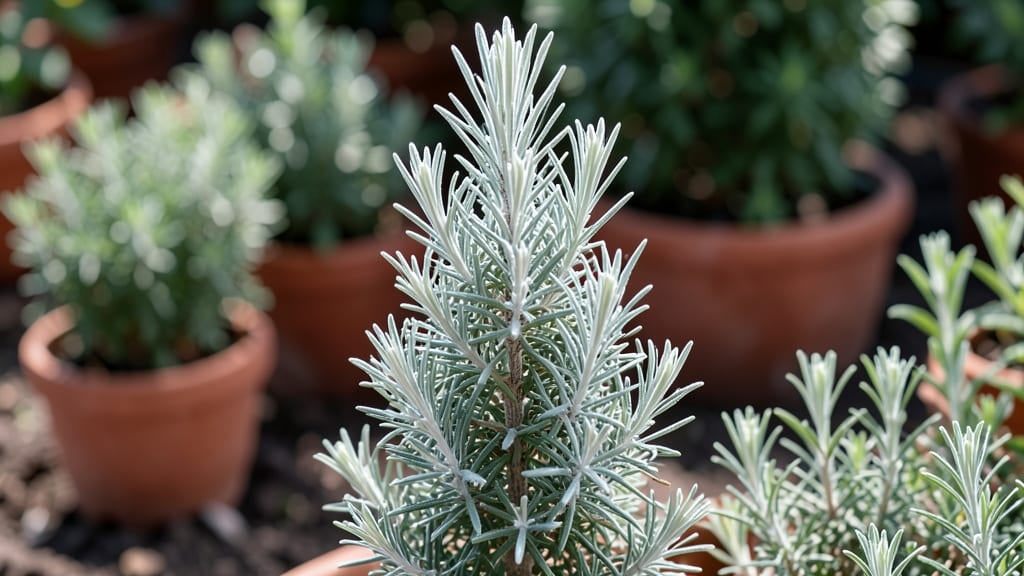
Looking to add a pop of color to your herb garden without sacrificing function? Blue Spires rosemary brings a bold, silvery-blue hue that contrasts beautifully with traditional green herbs like thyme or oregano. This upright variety grows 3-4 feet tall, making it a standout vertical element in borders or mixed containers.
Thriving in full sun (6+ hours daily), this drought-tolerant plant requires minimal water once established—ideal for low-maintenance gardens. The fragrant foliage retains its striking color year-round, even in winter, while the delicate lavender flowers attract pollinators. Prune lightly after flowering to encourage bushier growth and prevent legginess.
Perfect for gardeners who love visual impact, Blue Spires works as a focal point in Mediterranean-style gardens or as a fragrant, colorful hedge. Its upright form also makes it a great choice for narrow spaces where you want height without width. 🌿
Golden Rosemary (Rosmarinus officinalis 'Aureus')
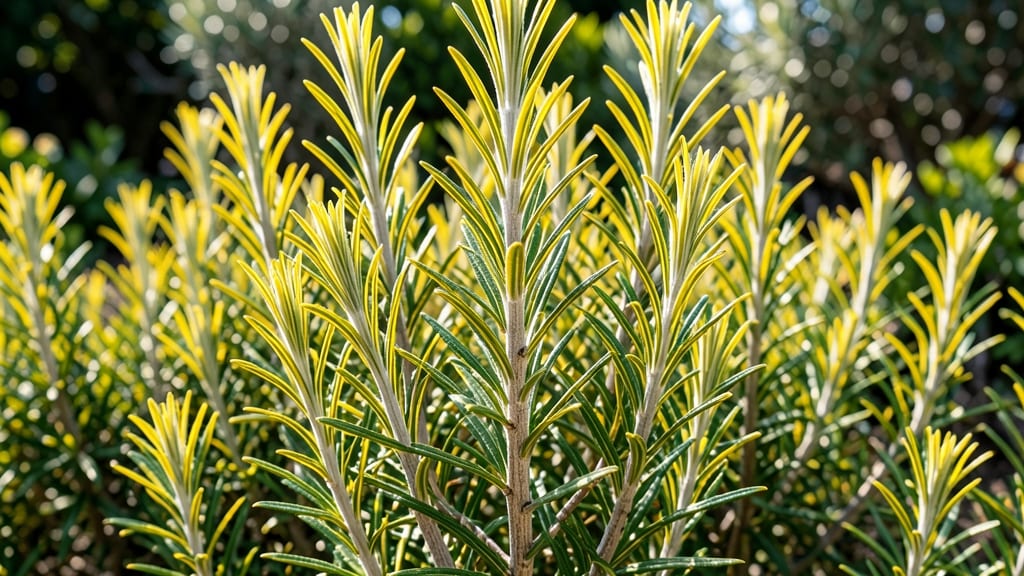
If you're looking for a rosemary variety that doubles as a conversation starter, Golden Rosemary (Rosmarinus officinalis 'Aureus') delivers with its striking yellow-tipped leaves. This variegated beauty brings a cheerful pop of color to any garden while maintaining the classic pine-like fragrance that makes rosemary so beloved.
Thriving in full sun to partial shade, Golden Rosemary grows 3-5 feet tall with a bushy, upright habit. Its yellow-green foliage contrasts beautifully with purple blooms that attract pollinators like bees and butterflies. Plant it in well-draining soil and water sparingly—this drought-tolerant variety prefers dry conditions once established.
Perfect for herb spirals, container gardens, or pollinator-friendly borders, this variety adds visual interest without sacrificing function. Gardeners who love low-maintenance plants with ornamental value will find this a standout addition. 🌻
Roseus Rosemary (Rosmarinus officinalis 'Roseus')
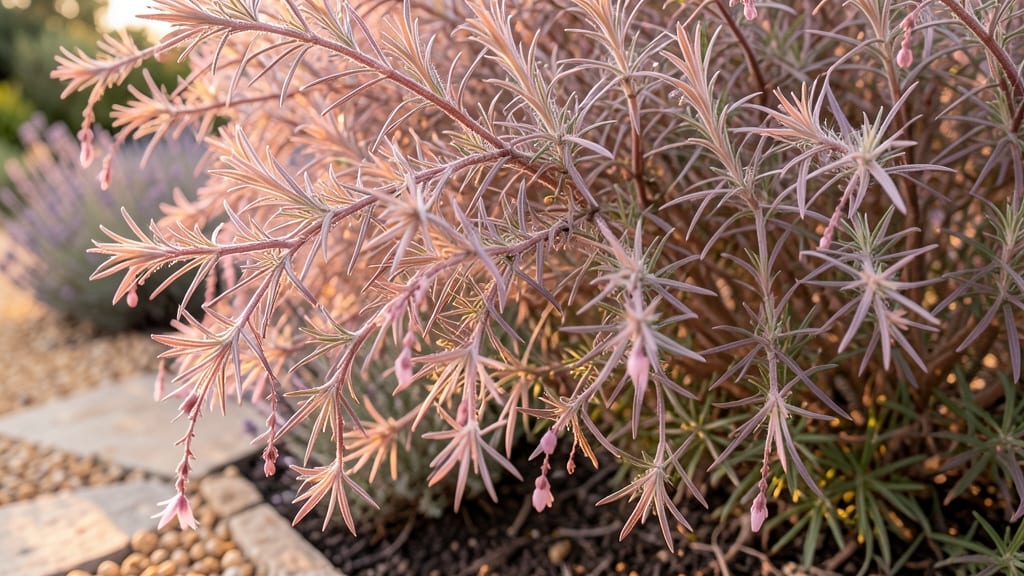
Transform your garden into a Mediterranean retreat with Roseus Rosemary, a standout variety that blends beauty and fragrance. Unlike its green-leaved cousins, this rosemary boasts soft pink-tinted foliage and delicate pink flowers, creating a dreamy, romantic aesthetic that’s perfect for borders or container displays.
This variety thrives in full sun and well-drained soil, making it ideal for warm climates. Prune lightly after flowering to encourage bushier growth, and enjoy its subtle citrusy aroma—softer than classic rosemary but equally enchanting. The flowers attract pollinators, adding extra value to your garden ecosystem.
Gardeners who love pastel palettes or Mediterranean-style landscapes will adore this variety—it’s the perfect way to add color and charm without sacrificing the herb’s signature fragrance. 🌷
Irene Rosemary (Rosmarinus officinalis 'Irene')
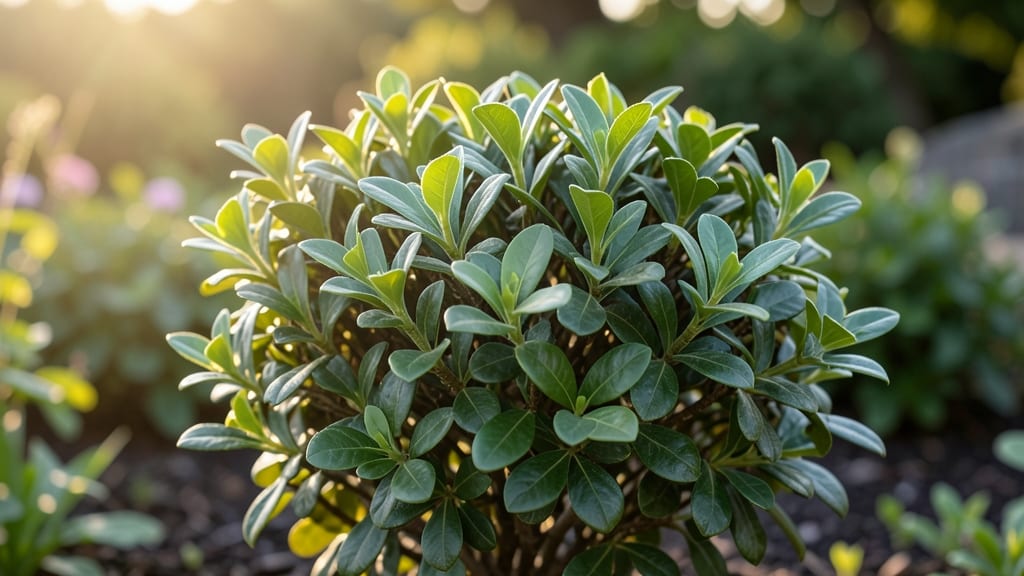
If you’ve ever dreamed of a rosemary hedge but lack the space for a towering variety, Irene Rosemary is your perfect solution. This dwarf cultivar stays compact—typically reaching just 12-18 inches tall—while delivering the same aromatic punch as its taller cousins.
Its broad, dark green leaves (unlike the needle-like foliage of classic rosemary) give it a lush, almost bay-laurel appearance, making it ideal for containers, window boxes, or formal hedges. Thrives in full sun with well-drained soil, and its bushy growth habit means it fills in quickly without needing pruning. Perfect for urban balconies or cottage gardens where space is limited.
Gardeners with small yards or renters will love how Irene Rosemary fits into tight spaces without sacrificing beauty or fragrance. 🌿
Hill Hardy Rosemary (Rosmarinus officinalis 'Hill Hardy')
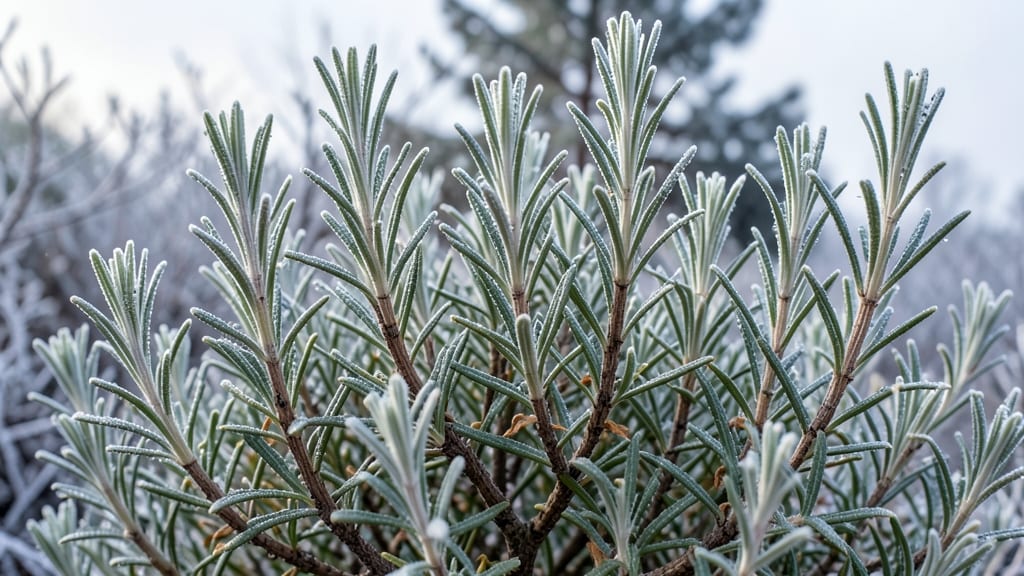
If you live in the UK or northern climates where frost lingers, Hill Hardy rosemary is your secret weapon for a thriving herb garden. Unlike many rosemary varieties that struggle in cooler temperatures, this hardy cultivar withstands USDA zones 6-9 and even light frosts, making it the most resilient choice for chilly gardens.
Its sturdy, woody stems and dark green, needle-like leaves stay fragrant year-round, and its disease-resistant nature means fewer worries about fungal infections or pests. For best results, plant it in well-draining soil with full sun to partial shade, and prune lightly after flowering to encourage bushier growth. The aromatic leaves make it ideal for both culinary and ornamental use.
Gardeners in cooler regions will love how this variety outperforms other rosemary types, offering both beauty and utility without the fuss. 💪
Tuscan Blue Rosemary (Rosmarinus officinalis 'Tuscan Blue')
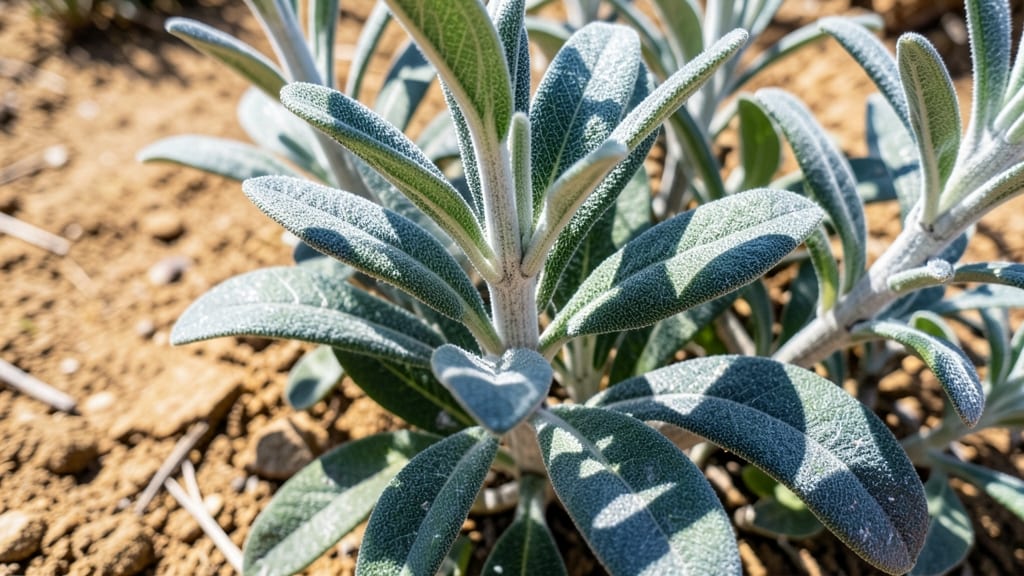
Looking for a rosemary that thrives in drought-prone regions while doubling as a culinary powerhouse? Tuscan Blue Rosemary delivers broad, blue-green leaves with a texture resembling bay leaves, making it a standout for both gardens and kitchens.
This heat-tolerant variety handles full sun with ease, requiring minimal water once established. Its sturdy stems and robust growth make it ideal for Mediterranean-style gardens or as a centerpiece in herb beds. The leaves are perfect for seasoning roasted meats, stews, or bread—just like traditional rosemary, but with a unique, slightly broader leaf shape.
Gardeners in hot, dry climates will love its resilience, while home cooks appreciate its versatile flavor. It’s a must-have for those who want both beauty and function in one hardy plant. 💚
Miss Jessopp’s Upright Rosemary (Rosmarinus officinalis 'Miss Jessopp’s')

If you’re looking for a rosemary variety that brings both nostalgic charm and bold flavor to your garden, Miss Jessopp’s Upright Rosemary is a standout heirloom. This classic variety is celebrated for its fine, needle-like leaves and an aroma so intense that it’s a staple in traditional recipes and professional kitchens alike.
Growing Miss Jessopp’s is straightforward—it thrives in full sun and well-drained soil, reaching heights of 3 to 5 feet with a compact, upright form. Its strong fragrance makes it ideal for culinary uses, especially in dishes where rosemary’s piney notes shine. Prune lightly after flowering to encourage bushier growth and maintain its ornamental shape.
Perfect for herb gardeners who love a touch of history or chefs who demand the strongest flavor, this variety adds both beauty and utility to any space. 🌿