
Vegetables
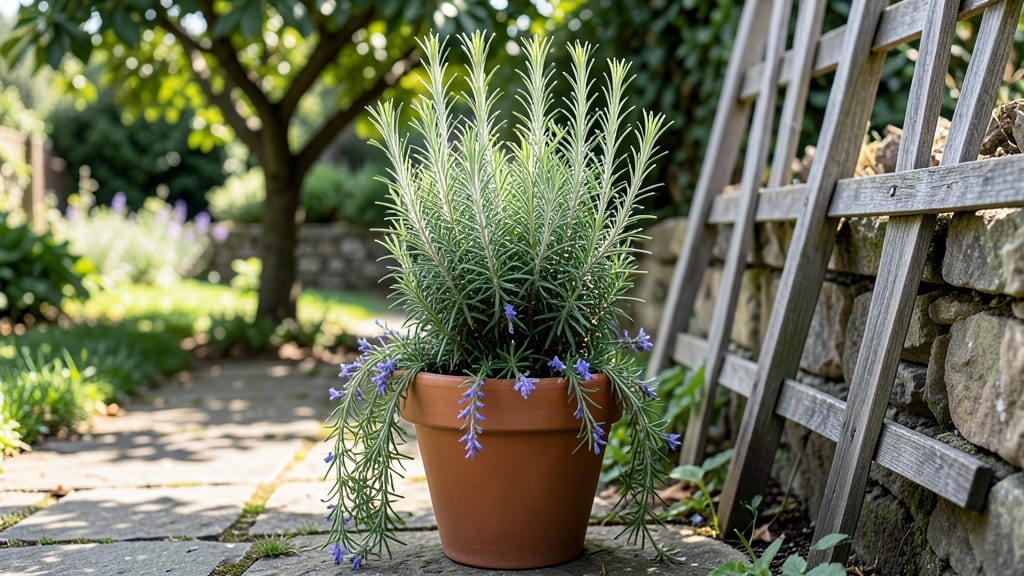
Yes, there are different types of rosemary that vary in growth patterns, flavors, and culinary uses, including upright rosemary, prostrate rosemary, and specialty varieties like Tuscan blue and barbecue rosemary.
Rosemary isn't just one plant—it's a family with distinct personalities. 🌿 Upright varieties grow tall and sturdy, perfect for hedges or vertical gardens, while prostrate types spread low and wide, ideal for ground cover.
Tuscan blue stands out with its striking blue-green needles and milder pine flavor, while barbecue rosemary packs a bolder, meatier taste perfect for grilling. These differences aren't just cosmetic; they affect everything from how you cook with them to where you plant them in your garden.
What's fascinating is how these traits align with their origins. Mediterranean climates favor the hardy upright varieties, while milder coastal regions suit the more delicate prostrate types.
For cooking, I always reach for Tuscan blue when I want subtle herbal notes in delicate dishes, but barbecue rosemary becomes my go-to when I'm smoking brisket or marinating chicken. The right variety can completely transform a recipe!
💡 In This Article
- Rosemary Variety Characteristics and Growth Habits
- Culinary and Garden Uses for Different Rosemary Types
Rosemary variety characteristics and growth habits
Rosemary's diversity begins with its growth form, where the most striking difference lies between upright and prostrate varieties. Upright rosemary (like 'Arp') typically reaches 3-6 feet tall with a narrow spread of 2-3 feet, making it perfect for vertical spaces or formal hedges.
Its woody stems develop thick, leathery leaves that store moisture efficiently—ideal for Mediterranean climates where summer droughts are common. Prostrate varieties, such as 'Prostratus,' grow only 1-2 feet tall but spread aggressively up to 5-6 feet, creating a dense ground cover that suppresses weeds naturally. 🌱
The botanical magic happens in their root systems too. Upright rosemary develops a deep taproot that anchors it firmly, allowing it to withstand strong winds and access water from deep soil layers.
Prostrate types, however, have fibrous root networks that spread horizontally, perfect for stabilizing slopes or filling large garden areas.
What's fascinating is how these growth patterns correlate with their native habitats—upright varieties thrive in rocky, well-drained soils typical of coastal cliffs, while prostrate types prefer sandy, nutrient-poor soils where they can spread unchecked.
This adaptability explains why you'll find them flourishing in everything from urban containers to wild Mediterranean landscapes.
Climate adaptability sets these varieties apart in practical terms. Upright rosemary handles full sun exposure and can tolerate temperatures down to 10°F once established, making it ideal for USDA zones 7-10. Prostrate types are slightly less cold-hardy (down to 15°F) but perform better in milder climates like zones 8-11.
The key difference? Upright varieties recover better from winter dieback because their woody stems store energy, while prostrate types rely more on their extensive root systems for survival.
This means if you live in zone 6, you'll need to protect upright rosemary with mulch but can often leave prostrate varieties uncovered.
For gardeners, these traits translate directly to placement strategies. Upright rosemary excels as a back-of-border plant or in large containers where its height can be showcased, while prostrate types shine in rock gardens, spilling over walls, or as living mulch between stepping stones. The secret to success?
Match the variety to your space's dimensions and microclimate. In my own garden, I've found that planting upright varieties on the north side of structures provides natural protection from harsh afternoon sun, while prostrate types thrive in the south where they can spread into sunny patches. 🌿
Even within these broad categories, color variations add another layer of distinction. Tuscan blue rosemary, for example, grows in an upright form but sports striking blue-green needles due to a waxy coating that reflects light differently than standard green varieties.
This isn't just aesthetic—it affects photosynthesis efficiency, making the plant slightly more drought-tolerant. The color difference comes from higher levels of anthocyanin pigments in the leaves, which also contribute to its milder, slightly citrusy flavor profile.
It's these subtle botanical details that make rosemary such a fascinating plant to grow and cook with!