
Shrubs
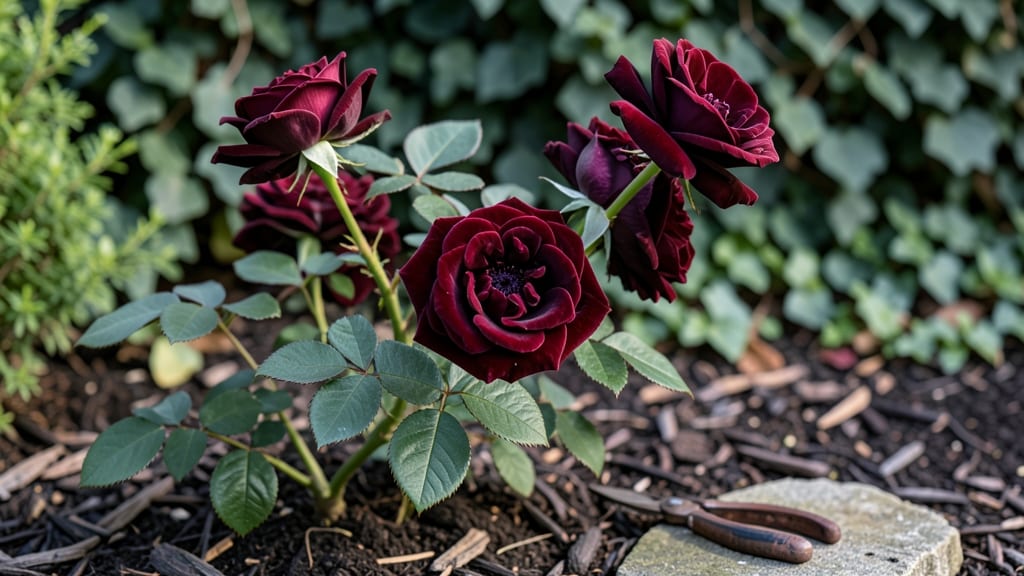
The velvet red rose transforms any garden into a romantic masterpiece with its deep crimson petals and intoxicating fragrance. 🌹 I’ve grown this variety for three seasons, and its year-round blooms—when cared for properly—make it worth every bit of effort.
Unlike finicky roses, this climber thrives with the right balance of sun, soil, and strategic pruning. This rose demands full sun (6+ hours daily) and well-draining soil rich in organic matter. Plant in early spring or fall, spacing 3-4 feet apart to allow air circulation.
Water deeply 2-3 times per week (more in extreme heat), but avoid wetting the foliage to prevent fungal diseases. A balanced fertilizer applied every 6 weeks keeps those velvety blooms coming.
The secret to vibrant, long-lasting blooms lies in late-winter pruning—cut back dead wood and shape the plant to encourage new growth. Watch for black spot (remove infected leaves immediately) and powdery mildew (spray with neem oil preventatively).
With this care, your velvet red rose will reward you with continuous blooms from spring to frost. Perfect for trellises, arbors, or as a standalone specimen, this rose adds drama and fragrance to any garden.
Once established, it’s drought-tolerant and disease-resistant—just follow these steps, and you’ll have a showstopper for years.
📚 In This Guide
- What you need
- Instructions
- Tips and common mistakes
- Wrapping up and next steps
What you need
- ● Velvet Red Rose Bareroot or Potted Plant: 1 healthy, disease-free plant (check for Rosa 'Velvet Red' or similar hybrid labels)
- ● Size: 2–3 ft tall (bareroot) or 1-gallon container (potted)
- ● Well-Draining Soil: 60% topsoil
- ● 30% compost or aged manure
- ● 10% perlite or coarse sand (for drainage)
- ● Fertilizer: Balanced rose fertilizer (10-10-10 or 5-10-5 NPK ratio)
- ● Slow-release granules or liquid feed (follow package instructions)
- ● Mulch: 2–3 inches of organic mulch (wood chips, straw, or pine bark)
- ● Garden Tools: Trowel or spade (for planting)
- ● Pruning shears (sterilized with rubbing alcohol)
- ● Gloves (heavy-duty for thorns)
- ● Support Structure: Trellis, arbor, or sturdy stake (6–8 ft tall for climbing varieties)
- ● Watering Supplies: Hose with adjustable nozzle or watering can
- ○ Drip irrigation system (optional but ideal for consistent moisture)
- ○ Optional (But Helpful!): Rose food (for extra blooms)
- ● Epsom salt (1 tbsp/month for magnesium boost)
- ● Pest control (neem oil or insecticidal soap)
- ● Sunlight: Full sun (6–8 hours daily)—no shade lovers here!
- ● Space: 3–4 ft apart (or wider if growing as a climber).
- ● Climate: Hardiness zones 5–10 (adjust care for extreme heat/cold).
Step-by-step instructions for planting and caring for velvet red roses
Here's how I've mastered growing these fragrant climbers—lush, repeat-blooming, and resilient.
🌱 Step 1: Choose the Perfect Planting Site and Prepare the Soil
Velvet red roses thrive in full sun—at least 6-8 hours daily—with protection from harsh afternoon winds. I always plant mine where they'll receive morning sunlight and afternoon shade in hot climates, which prevents leaf scorch. The soil must drain well but retain moisture; amend heavy clay with 2-3 inches of compost or organic matter before planting.
Dig a hole twice as wide as the root ball but no deeper—this encourages roots to spread horizontally rather than sink. Loosen the roots gently if they're circling the pot, then place the rose so the graft union (the swollen bump near the base) sits 2 inches below soil level. This prevents it from drying out or being buried too deep, which can rot the plant.
☀️ Step 2: Plant with Proper Spacing and Mulch for Moisture
Space your roses 3-4 feet apart in rows or 4-5 feet apart in beds to allow airflow and prevent disease. I use a 3-inch layer of mulch (like shredded bark or straw) around the base, keeping it 2 inches away from the stem to avoid rot. Mulching conserves moisture and keeps roots cool, which is critical for these thirsty but delicate blooms.
Water deeply right after planting—soak the soil until it drains from the bottom of the hole. You'll know it's enough when water runs out, but the soil surface stays damp. Avoid wetting the foliage to prevent fungal spores from taking hold. After the first week, water once a week unless it rains, ensuring the top 6 inches of soil stay moist but not soggy.
💧 Step 3: Fertilize and Prune for Continuous Blooms
Feed your Velvet red roses with a balanced, slow-release fertilizer (10-10-10) in early spring, just as new growth appears. I also add a high-phosphorus fertilizer (like 5-10-5) in late spring to encourage strong blooms. Avoid high-nitrogen fertilizers—they promote leafy growth at the expense of flowers. Water deeply after fertilizing to prevent root burn.
Prune in early spring before new growth starts. Remove dead, diseased, or crossing branches, then cut back the remaining canes by one-third to encourage bushier growth. For climbers, train the main stems along a trellis or fence, tying them loosely with soft twine. Prune again in late summer to remove spent blooms and shape the plant—this triggers a second flush of flowers before winter.
✂️ Step 4: Protect and Maintain Through Seasons
In winter, protect your roses from freezing temperatures by wrapping the canes with burlap or rose cones and covering the base with 4-6 inches of mulch. This insulates the roots and prevents heaving. In spring, remove the mulch and cones gradually as new growth appears, starting with the top layer to avoid shocking the plant.
Watch for aphids, black spot, or powdery mildew—common pests for Velvet red roses. I spray with neem oil at the first sign of trouble and remove infected leaves immediately. For extra fragrance and disease resistance, I deadhead spent blooms regularly and avoid overhead watering. With consistent care, your roses will reward you with year-round blooms and intoxicating scent.
Tips & tricks for perfect velvet red rose cultivation
These game-changing insights will help you transform your garden into a fragrant sanctuary with these velvety beauties.
Sunlight Strategy: While 6-8 hours of daily sun is ideal, I've found that morning sun with afternoon shade in hot climates prevents leaf scorch while still delivering those signature deep red blooms. If your garden has limited sun, consider planting in containers where you can move them to follow the sun's arc throughout the day. The key is maintaining that balance—too much afternoon sun can crisp delicate leaves, while insufficient light weakens the plant's ability to produce abundant flowers.
Root Ball Revelation: That 2-inch depth for the graft union isn't arbitrary—it's the sweet spot that prevents both drying out and potential rot. I've seen beginners bury it too deep, which suffocates the plant, or too shallow, which exposes it to temperature extremes. Gently firm the soil around the root ball after planting to eliminate air pockets, then water deeply to help settle everything into place. This simple step makes all the difference in establishing strong roots.
Mulching Mastery: The 3-inch layer of mulch isn't just about moisture retention—it's a year-round protective layer. In summer, it keeps roots cool; in winter, it insulates against freezing. I use shredded bark because it breaks down slowly, but straw works too. The critical detail is keeping that 2-inch clearance from the stem to prevent rot. Think of it as a living blanket for your roses that works in every season.
Pruning Precision: When you're cutting back those canes by one-third in early spring, aim for clean cuts just above an outward-facing bud. This isn't just about shaping—it's about encouraging new growth in the right direction. I always prune on a dry day when the tools are sharp, which minimizes stress on the plant. The late summer pruning to remove spent blooms might seem counterintuitive, but it's what triggers that second flush of flowers before winter.
Pro Tips for Velvet Red Rose
- These game-changing insights will help you transform your garden into a fragrant sanctuary with these velvety beauties.
- Sunlight Strategy: While 6-8 hours of daily sun is ideal, I've found that morning sun with afternoon shade in hot climates prevents leaf scorch while still delivering those signature deep red blooms.
- Root Ball Revelation: That 2-inch depth for the graft union isn't arbitrary—it's the sweet spot that prevents both drying out and potential rot.
Frequently asked questions
Got questions about growing velvet red roses?
You’re not alone! Here are answers to the most common queries to help you nurture these stunning climbers with confidence.
How long does it take for a velvet red rose to bloom after planting?
A velvet red rose typically takes 1–2 years to establish and produce its first blooms, depending on climate and care. With proper pruning and sunlight (6+ hours daily), you’ll see vibrant flowers by late spring or early summer. Patience pays off—these roses reward dedication with year-round blooms in mild climates!
Can velvet red roses grow in containers? What size pot is best?
Yes! Velvet red roses thrive in containers if given 5-gallon pots or larger, with drainage holes. Use a well-draining potting mix and repot every 2–3 years to prevent root bind. Place pots in full sun and water deeply when the top inch of soil feels dry. Pro tip: Add a time-release fertilizer in spring for extra vigor!
How do I protect velvet red roses in winter?
These roses are semi-hardy (USDA Zones 5–9). In colder climates, mulch the base with 4–6 inches of straw or leaves after the first frost. Wrap canes loosely in burlap or rose cones for extra insulation. Avoid heavy snow buildup—gently brush it off to prevent damage. Spring pruning (after last frost) will reveal fresh growth!
What pests commonly affect velvet red roses, and how do I treat them?
Watch for aphids, spider mites, and Japanese beetles—they love velvet roses! Spray infested areas with neem oil or insecticidal soap for mild cases. For severe outbreaks, use pyrethrin-based sprays (follow label instructions). Preventively: Encourage beneficial insects like ladybugs and introduce companion plants like garlic or marigolds to deter pests.
Are there disease-resistant alternatives to velvet red roses?
If you’re concerned about black spot or powdery mildew, consider ‘Knock Out’ roses or ‘Dr. Huey’ (a disease-resistant hybrid). While velvet roses are prone to fungal issues, proper airflow, sterilized pruners, and copper fungicides can minimize risks. For the deepest red blooms, though, velvet roses are worth the extra care!
Still stumped? Drop your question in the comments—we’re happy to help!
Wrapping up and next steps
The velvet red rose isn’t just a stunning addition to your garden—it’s a symbol of romance and resilience that can thrive with the right care. By mastering its light, soil, and seasonal needs, you’ll unlock year-round blooms that steal every show.
Whether you’re a seasoned gardener or just starting, this fragrant climber rewards patience with breathtaking results.
Ready to transform your outdoor space? Start by planting one today—then watch your garden bloom with effortless elegance. 🌹✨ Your velvet red rose awaits!