
Shrubs
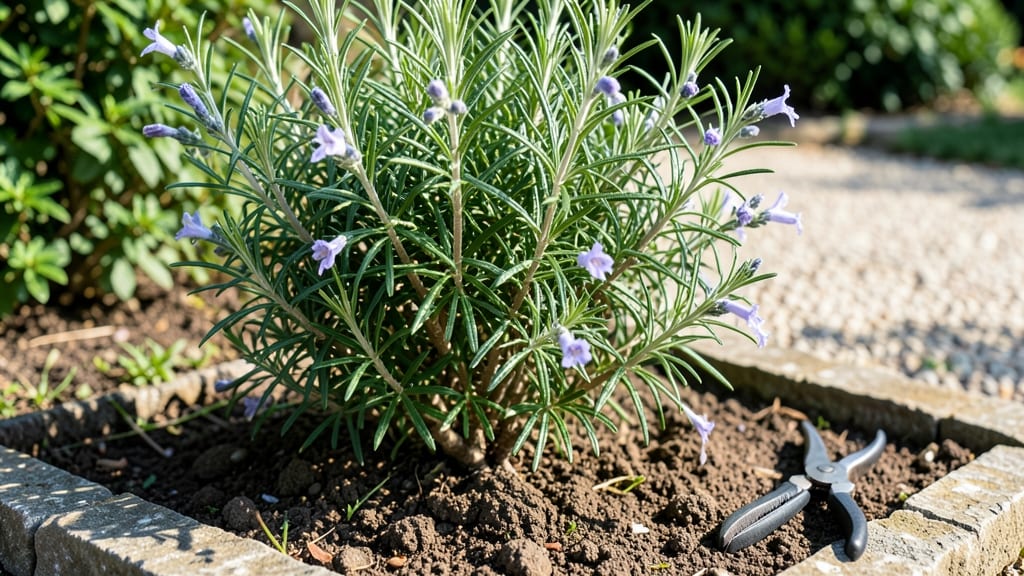
Rosemary does so much more than just add flavor—it boosts savory dishes with its bold piney-citrusy notes while providing anti-inflammatory benefits and aiding digestion. Beyond the kitchen, this hardy herb acts as a natural pest repellent and thrives as a low-maintenance garden perennial.
This evergreen herb isn't just for cooking—its volatile oils (like pinene and camphor) create that signature aroma that elevates everything from roasted meats to homemade bread. 🌿 I've found it works best when added late in cooking to preserve its bright, fresh qualities rather than burning off at high heat.
Plus, its health perks—like reducing muscle pain and improving circulation—make it a kitchen staple with serious benefits beyond flavor.
When it comes to growing, rosemary is practically foolproof. It loves full sun and well-draining soil, and once established, it can handle drought surprisingly well.
I've seen it grow into dense bushes that naturally keep pests like mosquitoes and cabbage moths away—just another reason to plant one in your garden or windowsill.
💡 In This Article
- Rosemary’s Flavor Science and Culinary Magic
- Growing Rosemary: Soil, Sun, and Pest-Repelling Secrets
Rosemary’s flavor science and culinary magic
Rosemary's signature taste comes from its complex blend of volatile oils, primarily pinene (which gives that fresh pine scent) and camphor (adding a slightly medicinal note). These oils aren't just flavor molecules—they're what make rosemary's aroma so powerful.
When you crush fresh sprigs, you're actually breaking plant cells to release these oils, which is why the scent becomes more intense. This chemical reaction is why dried rosemary has a completely different profile—it loses up to 70% of its volatile oils during drying, making fresh always superior for cooking.
The heat sensitivity of rosemary is fascinating. At low temperatures (150-200°F), its delicate citrusy notes shine through beautifully, making it perfect for infusing oils or adding to soups. But when exposed to high heat (above 300°F), those same oils can become bitter and medicinal-tasting.
That's why I always add rosemary to dishes in the last 10-15 minutes of cooking—just enough time to infuse flavor without burning the delicate compounds. For roasted potatoes or lamb, this timing creates that perfect balance between herbal freshness and caramelized depth.
Rosemary's flavor chemistry explains why it pairs so well with certain foods. The pinene compounds in rosemary have a natural affinity for fatty proteins like lamb and chicken, creating a molecular bond that intensifies both flavors.
That's why a simple rosemary rub on lamb chops can transform an ordinary dish into something restaurant-worthy. The herb also works beautifully with starchy vegetables because its piney notes cut through the richness, creating a perfect contrast—think roasted potatoes or mashed cauliflower with fresh rosemary sprinkled on top.
Beyond its flavor magic, rosemary contains rosmarinic acid, a compound that acts as a natural preservative. This is why rosemary is often used in cured meats and bread—it not only enhances flavor but also helps extend shelf life.
The herb's antioxidant properties (measured at 13,000 ORAC units per 100g) are also what give it those anti-inflammatory benefits, making it a superfood in addition to a super-spice. 💫
For home cooks, understanding these science-backed principles can elevate simple dishes. Try this pro tip: Make a quick rosemary-infused olive oil by gently heating 1 cup olive oil with 4 sprigs fresh rosemary for 5 minutes at low heat, then straining.
This concentrated flavor works wonders in marinades, salad dressings, or even drizzled over grilled vegetables. The key is always using fresh sprigs and handling them gently to preserve those precious volatile oils.
What most people don't realize is how rosemary's flavor evolves during cooking. When you first add it to hot oil, you get that bright, fresh aroma. But as it cooks, the camphor compounds mellow out, revealing deeper earthy notes that pair beautifully with roasted roots like carrots and parsnips.
This dual-layered flavor profile is what makes rosemary so versatile—it can be both the star and the supporting player in a dish.