
Flowers
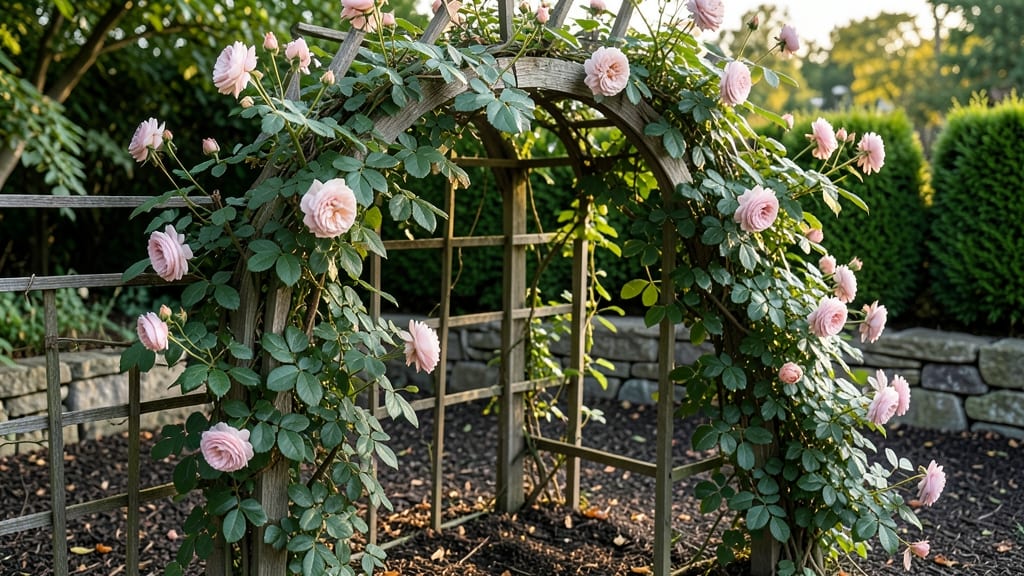
Climbing roses flower at different times depending on their variety, with blooms typically appearing between late spring and early fall—though some varieties stretch that window even further.
If you’ve ever wondered why your climbing roses bloom at different times—or why some varieties seem to defy the seasons—you’re not alone. Understanding their flowering cycles isn’t just about aesthetics; it’s the key to maximizing their beauty and productivity in your garden.
Most climbing roses burst into color in May or June, with repeat-flowering types like ‘New Dawn’ or ‘Blaze’ producing a second flush in late summer. Meanwhile, early bloomers like ‘Zephirine Drouhin’ might start as early as April, while late-season varieties keep going until September.
In this guide, I’ll break down the flowering timeline by variety, share tips to extend your roses’ bloom season, and explain how pruning and care can make all the difference—so you can enjoy those stunning 🌹 displays all summer long.
Climbing rose flowering seasons: a month-by-month breakdown by type
Climbing roses are the dramatic stars of any garden, but their blooming windows can feel like a mystery—especially when you’re staring at bare canes in early spring or wondering why some varieties bloom twice. The truth?
Their flowering seasons depend entirely on the variety, pruning habits, and even your hardiness zone. Let’s break down exactly when to expect blooms from early spring through late summer, so you can plan your garden’s grandest moments.
Most climbing roses fall into three broad categories: once-blooming (spring only), repeat-flowering (multiple flushes), and modern hybrids designed for extended displays. The timing isn’t just about aesthetics—it’s also about pruning windows and nutrient needs.
For example, 'New Dawn' (a classic repeat-flowerer) might start in May but reward you with sporadic blooms through September, while 'Blaze' (a hybrid tea type) peaks in June and July but fades by August.
Below is your month-by-month guide to climbing rose blooms, organized by type. Use this to time your pruning, deadheading, and even fertilizer applications for maximum impact. Pro tip: Repeat-flowering varieties need regular deadheading to encourage new buds, while once-bloomers (like 'Zephirine Drouhin') rely on last year’s growth—so prune carefully!
April–May is the showstopper month for once-blooming varieties like 'Zephirine Drouhin', which burst into clusters of pink blooms on arching canes. These roses rely on last year’s growth, so never prune them drastically—you’ll sacrifice next year’s display.
If you’re growing these, mark your calendar for late winter pruning (just after the last frost) to shape them, but leave the old wood intact. For repeat-flowerers like 'New Dawn', April is just the beginning—expect smaller blooms to appear sporadically until frost.
June and July are the glory months for hybrid tea climbers like 'Blaze' and 'Iceberg'. These varieties produce large, showy blooms that last for weeks, but they’re heavy feeders.
To extend their season, deadhead spent blooms and apply a balanced fertilizer (10-10-10) every 4–6 weeks. Watch for Japanese beetles during this peak—handpick them early to avoid skeletonized petals.
August and September are where late-season climbers shine. Varieties like 'The Fairy' and 'William Shakespeare' deliver fragrant, disease-resistant blooms when many roses are winding down. These are perfect for cut flowers—harvest in the morning for the longest vase life.
In Zone 5 or colder, start monitoring for frost in late August and mulch heavily to protect roots. Repeat-flowerers may produce a final flush in September, but growth slows as days shorten.
Did you know some climbing roses bloom year-round in warm climates? In USDA Zones 8–10, varieties like 'Laxa' (a Rosa wichuraiana hybrid) can flower intermittently from spring to fall. The secret?
These roses are less sensitive to day length and rely more on temperature cues. If you’re in a mild climate, consider pruning lightly in late winter to encourage new growth without shocking the plant.
To extend your climbing roses’ season, time your pruning strategically. For repeat-flowerers, prune in late winter or early spring to remove dead wood and shape the plant. For once-bloomers, wait until after blooming to prune.
Always use clean, sharp shears and make cuts at a 45-degree angle just above an outward-facing bud. This simple technique can add weeks of blooms to your season.
One common mistake gardeners make? Over-fertilizing in fall. While roses need nutrients to bloom, stop fertilizing by August in cooler climates. This encourages the plant
Why some climbing roses bloom earlier (or later) than others
Climbing roses don’t all follow the same blooming schedule because their genetics and origins play a huge role. Temperate varieties like Rosa rugosa often bloom early in spring, while tropical hybrids like Rosa wichuraiana may flower later or even year-round in warm climates.
This diversity means your garden could see blooms from April through October, depending on what you plant.
The Rosa chinensis lineage, for example, is famous for its repeat-flowering traits, while once-blooming climbers like 'Zephirine Drouhin' put all their energy into a single spring flush. Understanding these differences helps you choose roses that align with your seasonal goals—whether you want early spring color or summer-long displays.
| Variety Type | Bloom Time | Genetic Origin | Hardiness Zone | Climate Adaptation |
|---|---|---|---|---|
| Temperate Climbers | April–May (once-blooming) | Rosa rugosa, Rosa gallica | 3–9 | Cold-hardy, early spring blooms |
| Repeat-Blooming Hybrids | May–September (multiple flushes) | Rosa chinensis x hybrids | 4–10 | Heat-tolerant, prune for reblooms |
| Tropical/Ramblers | June–October (late/continuous) | Rosa wichuraiana, 'New Dawn' | 5–11 | Humidity-loving, minimal winter dormancy |
| Modern Floribundas | June–August (cluster blooms) | Hybrid tea crosses | 5–9 | Balanced for sun/rain, high disease resistance |
🌹 Note: Pruning timing shifts bloom windows by 2–4 weeks
Climate also shifts bloom times dramatically. Southern gardeners often enjoy later blooms because warmer winters delay dormancy, while northern climates may see roses bloom earlier to take advantage of short summers. For example, 'Blaze' thrives in USDA Zone 5 but may bloom 3 weeks later in Zone 8.
Pruning timing is another game-changer. If you prune too early in late winter, you risk cutting off flower buds that formed the previous fall. Conversely, waiting until spring bud swell ensures you preserve early blooms while still encouraging summer reblooms.
My rule? Prune after the last frost but before new growth appears.
Even soil conditions influence timing. Well-draining, nutrient-rich soil helps roses bloom earlier and more abundantly, while compacted or poor soil can delay flowering by weeks. Amending with compost in early spring gives roots the boost they need to kickstart blooms on schedule.
Finally, don’t overlook the role of light exposure. Roses need 6+ hours of sun daily to flower reliably. If your climber is in partial shade, expect blooms to arrive 2–3 weeks later or be less prolific. A south-facing wall is ideal for maximizing sunlight and encouraging timely blooms.