
Blooming
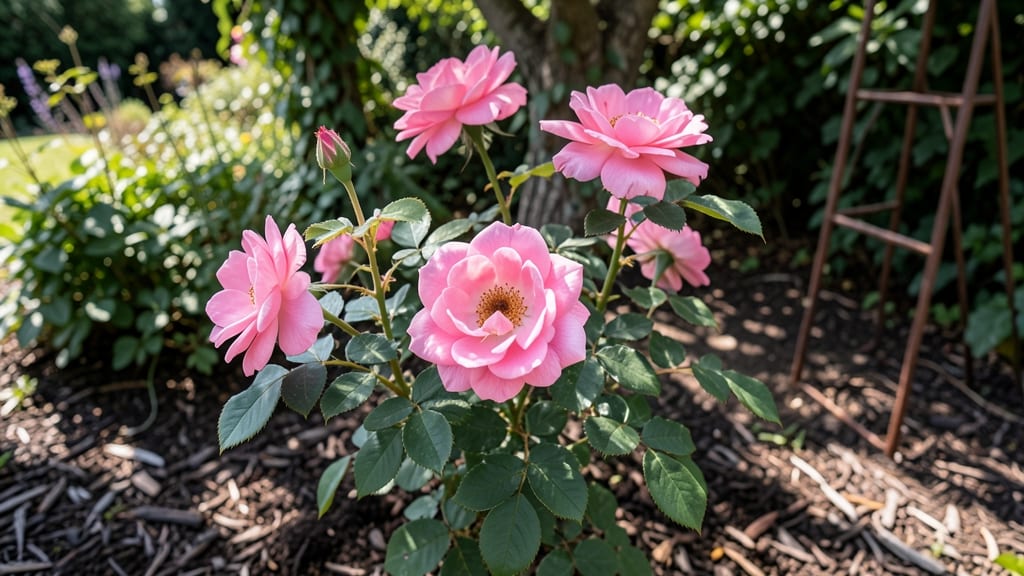
Peggy Martin roses bloom in late spring through summer, with their first flush of flowers arriving around May to June in most climates.
If you’ve ever waited eagerly for those vibrant pink blooms 🌹 only to miss the prime viewing window, you’re not alone. These roses are repeat-bloomers, but their exact timing depends on your USDA zone, sunlight, and even soil conditions.
In Zone 6a (like much of the Midwest), expect the first buds to open in early May, followed by sporadic blooms through August. Warmer zones like 7-9 may see flowers as early as April, while cooler areas might delay until June.
Below, I break down the exact months by region, plus pro tips to extend their bloom season—so you can enjoy them from spring right into fall.
Peggy Martin rose bloom schedule by USDA climate zones
The Peggy Martin rose is a stunning repeat-blooming variety that rewards gardeners with vibrant pink blooms throughout the growing season. Unlike once-blooming roses, these beauties can flower from early summer until first frost, but their exact timing depends heavily on your USDA climate zone and temperature thresholds.
Understanding these patterns helps you plan pruning, deadheading, and seasonal care for maximum impact.
Peggy Martin roses thrive in Zones 3-10, but their bloom schedule shifts dramatically from northern cold climates to southern warm regions. In cooler zones, blooms may start as late as June, while in warmer zones, they can kick off as early as April.
The key trigger is consistent daytime temperatures above 60°F, which signals the plant to push new growth and flowers.
Below is a zone-by-zone breakdown of when to expect early blooms, peak flowering, and late-season color, along with the temperature cues that influence timing. Use this as your gardening calendar to stay ahead of the blooms!
In Zones 3-4, where winters are harsh, Peggy Martin roses often wait until late June to burst into color, with peak blooms stretching through July and August. The temperature threshold here is critical—blooms typically kick off once daytime temps hit 65°F consistently for at least a week.
This delayed start is normal, so don’t panic if your bush seems quiet early in the season!
Gardeners in Zones 5-6 enjoy an earlier show, with early June blooms and a prolonged peak through July. The key difference here is the soil warmth—these zones often see 60°F soil temperatures by late spring, which accelerates growth.
Late-season blooms can extend into September, especially if you deadhead regularly to encourage new growth.
For those in Zones 7-8, the bloom schedule shifts dramatically. Expect mid-April openings and a spring peak that lasts through June. The milder winters mean roses can push new growth earlier, but heatwaves above 90°F may cause temporary dormancy.
Late blooms often appear in October, just before first frost, making these roses a fall garden staple.
In the warmest zones (9-10), Peggy Martin roses are early risers, with blooms as early as March and a spring peak through May. The temperature trigger here is much lower (50°F), meaning roses can bloom almost year-round in ideal conditions.
Late-season flowers often appear in November, and with sheltered planting, some gardeners report winter blooms in mild microclimates.
Pro tip: Use a gardening journal to track your local bloom times—factors like microclimates, wind exposure, and soil type can shift these dates by 2-4 weeks. For example, a south-facing slope might trigger blooms 10 days earlier than a north-facing garden bed.
Adjust your pruning schedule accordingly to avoid cutting off next year’s blooms!
If you’re in a transition zone (e.g., Zone 6b vs. 7a), err on the side of later blooms—cooler microclimates delay flowering. Monitor your rose’s canes for swelling buds in spring; this is your first sign of blooms and a cue to reduce watering slightly to prevent bud rot.
Finally, remember that repeat blooming depends on healthy canes and consistent care. After the first flush of flowers, deadhead spent blooms and feed with a balanced rose fertilizer (like 10-10-10) every
How to extend Peggy Martin rose blooms year-round
Your Peggy Martin roses can bloom beautifully from spring through fall with the right care. These repeat-blooming varieties thrive when you adjust your gardening routine for seasonal changes. The key lies in pruning timing, soil health, and watering consistency—all tailored to your climate zone.
In cooler climates (Zones 3-5), focus on early spring pruning and mulching to protect roots. Meanwhile, warmer zones (7-10) need shade protection during peak summer heat and regular deadheading to encourage continuous blooms. Let’s break down the exact steps to maximize those stunning pink blooms all season.
Cut back dead or weak canes by 1/3 to encourage new growth. Remove crossing branches to improve airflow.
Add compost or aged manure to enrich soil. Test pH (6.0-6.5)—acidic soil stunts blooms.
Remove spent blooms weekly to prevent seed formation. This redirects energy to new flower buds.
Water deeply 2-3x/week at soil level. Avoid wetting foliage to prevent fungal diseases.
Apply mulch (3-4 inches) to insulate roots. Reduce fertilizer use to harden canes for winter.
For extended blooming, I recommend a light feeding schedule—use a balanced rose fertilizer (10-10-10) every 4-6 weeks during active growth. In hot climates, provide afternoon shade to prevent bud drop. Always water in the early morning to reduce evaporation and fungal risks.
If you notice yellowing leaves or fewer blooms, check for nutrient deficiencies or pests. A quick soil test can reveal if your roses need iron or phosphorus. Adjust care based on your zone—Zone 7+ roses may bloom nearly year-round with minimal winter protection.
With these seasonal adjustments, your Peggy Martin roses will reward you with continuous color from spring through frost. The secret? Stay proactive—prune early, feed smart, and deadhead often. Your garden will thank you with vibrant blooms all season long! 🌹