
Diseases
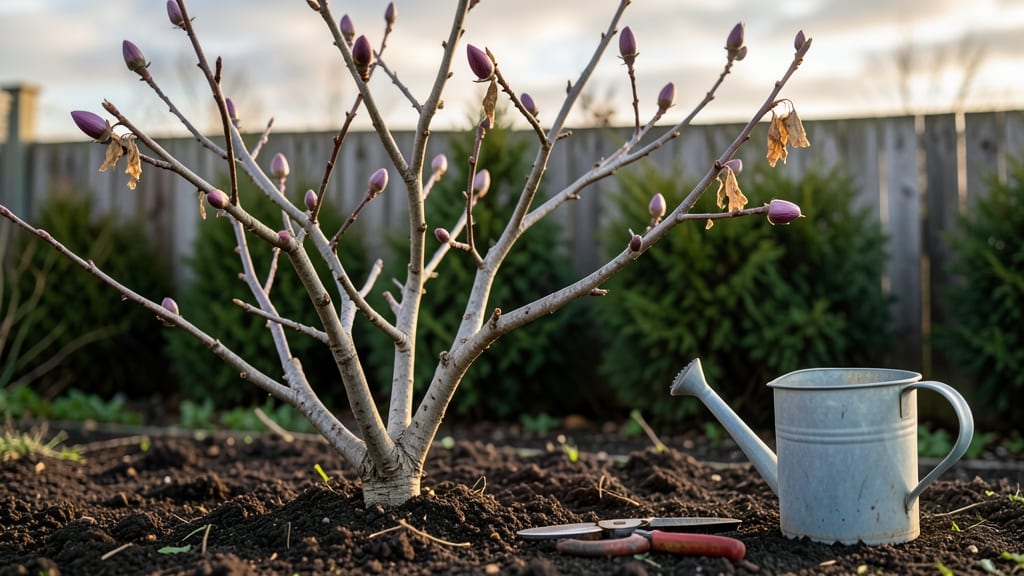
Rose of Sharon leaves typically emerge in late spring, just as the blooms begin to form 🌸 — but the exact timing depends on your USDA zone and last frost date.
If you’ve ever wondered why your Rose of Sharon looks bare in early spring, you’re not alone—timing is everything when it comes to its leaf flush, and it varies dramatically by climate zone.
In USDA Zone 6a, where many gardeners live, new leaves usually appear by mid-May, right after the soil warms to 55°F. But in warmer zones like 8 or 9, you might see them as early as April.
Below, I break down the full timeline by region, how to tell if your shrub is healthy (or just slow), and 3 pro tips to encourage faster leafing for stunning summer blooms.
Rose of Sharon leaf flush timeline by USDA Zone: when to expect new growth
Your Rose of Sharon (Hibiscus syriacus) may look dormant in early spring, but its leaf flush timing depends entirely on your USDA zone.
In colder climates like Zone 3-5, expect new growth as late as mid-May, while warmer Zones 8-10 often see leaves emerge by early March. Understanding these patterns helps you avoid worrying about bare branches when it's simply natural dormancy.
Many gardeners confuse leaf emergence with blooming season, but they’re not the same. Leaves typically appear 4-6 weeks before flowers, so timing your spring pruning after leaf flush is critical.
For example, in Zone 6, you might see buds swell by late April, but full leaves won’t appear until May. This delay is normal and varies by microclimate within zones.
Regional variations also play a role. Northern states like Minnesota (Zone 4) may experience a 2-week delay compared to Southern states like Georgia (Zone 8) due to soil warmth and daylight length. Even within the same zone, a sheltered location can trigger earlier growth than an exposed one.
Here’s a clear breakdown of when to expect new leaves across USDA zones, including early vs. late bloomers and regional adjustments:
In Zones 3-5, late frosts can delay leaf flush until June, especially for young plants or those in low-lying areas. I’ve seen Zone 4 gardens in Wisconsin where Rose of Sharon leaves emerged 3 weeks later than neighbors due to microclimate differences.
Always monitor soil temperature—leaves won’t appear until roots warm above 45°F.
For Zones 7-10, the real variable is winter chill hours. Plants in California (Zone 9) may leaf out by February, while those in Florida (Zone 10) might not show signs until March due to humidity levels.
If your plant is in a container, it may flush 2 weeks earlier because pots warm faster in spring sunshine.
Watch for bud swell as your first clue—this happens 2-3 weeks before leaves emerge. In Zone 6, I’ve noticed reddish buds in late April that turn green by May 10th.
If buds appear but no leaves follow within 4 weeks, check for disease or root stress. Healthy plants should show full foliage within 6 weeks of bud swell.
Pro tip: Mulch depth affects timing. A 3-inch mulch layer can delay leaf flush by 1 week in cooler zones by keeping soil cooler longer. Conversely, removing old mulch in Zone 8 can encourage earlier growth.
Always adjust based on your local last frost date—leaves are more frost-sensitive than buds.
If you’re in a transition zone (e.g., Zone 6b vs. 7a), err on the side of later timing. For example, Chicago (Zone 5) might see leaves by May 1st, while St. Louis (Zone 6) could be April 25th.
Use a plant thermometer to track soil temps—50°F for 5+ days is your green light for leaf flush.
Remember, early bloomers like 'Diana' may leaf out 1 week earlier than 'Annabelle', which is a late bloomer. Always check your specific cultivar notes, as some varieties are bred for extended dormancy in colder climates.
For most gardeners, patience is key—your Rose of Sharon’s leaf flush is a sure sign
How to tell if your Rose of Sharon is healthy vs. dormant (and when to worry)
Your Rose of Sharon (Hibiscus syriacus) may look completely bare in early spring, but that doesn't always mean it's dead or struggling. Understanding the difference between normal dormancy and plant stress is key to giving your shrub the right care.
In most USDA Zones 5-9, leaf emergence typically begins 4-6 weeks after last frost, but timing varies by region and plant health.
The first clue is bud swelling along the branches. Healthy buds will plump up in late spring, often by April or May in warmer zones. If you're in Zone 4 or colder, expect this to happen 2-4 weeks later.
However, if your buds remain shriveled or blackened, that's a red flag—it could signal fungal infection or winter damage.
Another critical sign is bark texture. Healthy bark should feel firm and smooth, even if the plant is dormant. If you notice cracked, peeling, or oozing bark, your Rose of Sharon may be under stress from pests, disease, or environmental factors.
Check for sooty mold (black fungal growth) or aphid colonies, which can weaken the plant before leafing begins.
⚠️ When Do Rose of Sharon Get Leaves?
If your plant still has no leaves by mid-May in Zones 6-9 or June in Zones 4-5, take action:
- Check for bud swell—if buds are hard and dry, the plant may be dead or severely damaged.
- Inspect bark—healthy bark should be smooth; cracked or oozing bark signals disease or pest infestation.
- Test soil moisture—dry soil in early spring can delay leafing, but soggy soil may indicate root rot.
Pro Tip: Gently scratch the inner bark—green underneath means the plant is alive; brown means it's dead.
Leaf color is another tell-tale sign. New leaves should emerge as deep green and slightly glossy. If they appear yellow, pale, or curled, your plant may be nutrient-deficient or suffering from overwatering. In contrast, purple or reddish leaves can indicate phosphorus deficiency or cool soil temperatures.
Don't panic if your Rose of Sharon leafs out later than expected. Some varieties, like 'Diana' or 'Annabelle', are naturally slower to emerge. However, if leafing is delayed by more than 3 weeks past your zone's average, consider light pruning to encourage new growth.
Trim back 1/3 of the oldest stems in early spring to stimulate fresh foliage.
Finally, observe the overall plant structure. A healthy dormant Rose of Sharon will have plump buds, firm bark, and no visible damage. If you see dieback (dead branches), excessive leaf drop, or unusual spots, your plant may need fungicide treatment or a soil amendment to recover.
In most cases, though, patience is key—your shrub is likely just taking its time to wake up from winter's slumber.