
How To
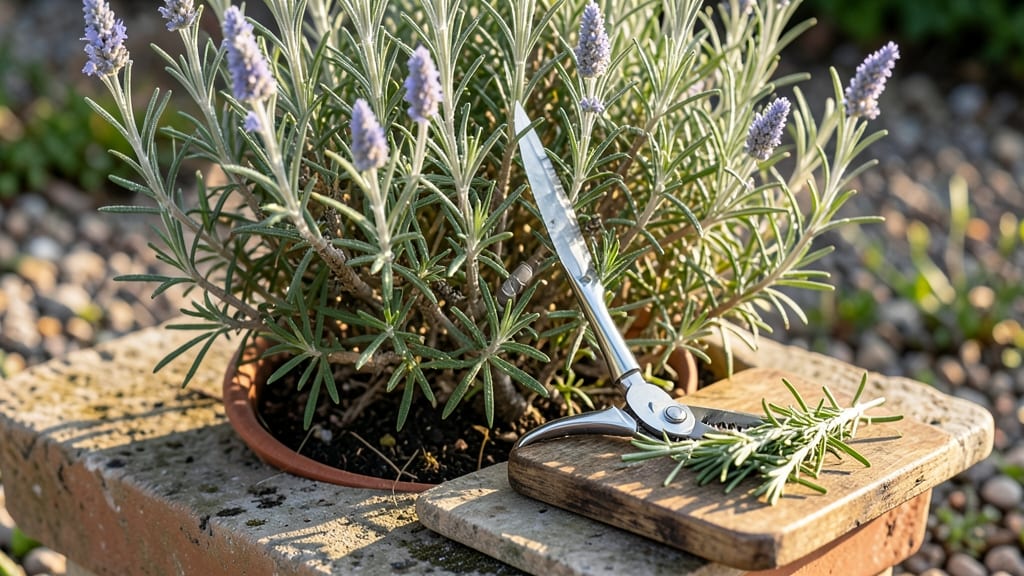
Rosemary is ready to harvest 6-8 months after planting when stems firm up and leaves turn a deep, rich green—just before those tiny blue flowers appear.
Picture this: you’ve nurtured your 🌿 rosemary through spring’s first flush of growth, and now the question looms—how do you know it’s really ready? The answer lies in those woody stems and the intoxicating aroma that hits you the moment you brush past the branches.
Harvesting too early means milder flavor, while waiting too long risks tougher leaves and a plant that shifts its energy toward flowering instead of leaf production. The key is catching it at that sweet spot—when the plant is mature but still vibrant.
In this guide, I’ll walk you through the exact visual cues to look for, the best months to harvest based on your climate zone, and how to prune for a bushier, more productive rosemary plant—without sacrificing its health or flavor.


Visual cues to identify perfectly ripe rosemary for harvesting
Harvesting rosemary at the right time transforms your garden into a flavor factory. The key lies in recognizing three critical visual cues: leaf color, stem development, and plant structure. When these elements align, your rosemary delivers peak aroma and potency.
I’ve learned the hard way—harvesting too early means weak flavor, while waiting too long sacrifices both yield and quality.
First, focus on the leaf color. Mature rosemary leaves should be a deep, vibrant green, not pale or yellowing. The needles should also feel thick and slightly waxy to the touch.
This indicates the plant has reached its ideal maturity window for harvesting. If your leaves still look sparse or pale, give your rosemary more time to grow.
Next, examine the stem development. Ready-to-harvest stems should be firm and slightly woody, not soft or bendy. Woody stems signal the plant has allocated energy to leaf production rather than just growth.
Pro tip: If you can snap a stem with a slight resistance, it’s harvest-ready. Overly flexible stems mean your rosemary needs more time to mature.
Finally, check for new growth at branch tips. This is your green light that the plant is actively producing fresh, flavorful foliage. New growth appears as lighter green or slightly purple-tinged shoots at the ends of branches.
These tender tips are where the most potent oils accumulate, making them prime for harvesting.
| Cue | Ready Stage | Not Ready Stage |
|---|---|---|
| Leaf Color | Deep green, vibrant | Pale, yellowing, sparse |
| Stem Texture | Firm, slightly woody | Soft, flexible, bendy |
| New Growth | Visible at branch tips | None or minimal |
| Plant Age | 1+ years old | Under 6 months |
| Flowering Stage | Just before buds open | After flowers bloom |
Avoid the common mistake of harvesting after flowering. Once rosemary blooms, the essential oils redistribute, and the leaves become less aromatic. I’ve seen gardeners miss this window and end up with bland sprigs.
Instead, harvest just before buds form—this is when the flavor peaks. For container-grown rosemary, this timing is especially critical since pots limit root space and growth.
Another pro tip: Harvest in the morning when essential oils are at their highest concentration. The cooler temperatures preserve flavor better than midday or afternoon cuts. Always use clean, sharp pruners to avoid crushing stems, which can lead to browning and reduced shelf life.
I like to snip just above a leaf node to encourage bushier growth.
Over-harvesting is a silent flavor killer. Never take more than one-third of the plant in a single session. Rosemary is resilient, but aggressive pruning weakens the plant and reduces future yields.
If you’re growing rosemary for long-term use, space harvests 4-6 weeks apart to maintain vigor. This balance ensures your plant stays healthy and productive for years.
For container-grown rosemary, monitor growth more closely since pots restrict root development. If your potted rosemary reaches 12-18 inches tall with multiple sturdy stems, it’s ready.
Dwarf varieties may mature faster—check for the same visual cues but on a smaller scale. Remember, potted rosemary needs more frequent harvesting to prevent root-bound stress.
Seasonal variations also play a role. In cooler climates (USDA zones 5-7), rosemary grows slower, so extend your harvest window by 2-3 weeks. Warmer zones (8-10) allow for longer harvest seasons.
Always adjust based on your plant’s growth rate and local climate. The goal is to harvest when the plant is actively growing, not during dormancy.
Finally, trust your senses. The best rosemary sprigs should fill your nose with a piney, citrusy aroma when crushed. If your harvest lacks this scent, it’s not ready. With practice, you’ll develop an instinct for the perfect harvest moment—one that turns your garden into a fragrant, flavorful treasure trove. 🌿
Best months to harvest rosemary by climate zone (with exact timelines)
Timing your rosemary harvest depends heavily on your USDA climate zone, as colder regions have shorter growing seasons. In zones 9-10, you can harvest nearly year-round, while zones 5-7 require careful planning to avoid frost damage.
The key is harvesting before flowering begins—this preserves the strongest flavor and aroma.
First-year rosemary plants may not produce harvestable sprigs until 6-8 months after planting, regardless of climate. For established plants, aim to harvest in the morning after dew dries for peak potency. Below is a zone-by-zone breakdown to help you plan your harvest schedule precisely.
In zones 5-6, your first harvest won’t happen until year two because rosemary needs time to establish woody stems. Start harvesting in late spring once new growth appears at branch tips.
For zones 7-8, you can begin harvesting in year one if planted in spring, but focus on light pruning to avoid stressing young plants.
If you live in zones 9-10, you’re in luck—rosemary thrives year-round! However, flavor peaks during cooler months (fall/winter). Avoid harvesting during summer heat waves, as the oils can become less potent. Always harvest just before flowering to maintain the best aromatic quality.
To extend your harvest season in colder zones, consider container growing. Pots allow you to move rosemary indoors before first frost or under a greenhouse. Just reduce watering during dormancy—rosemary needs less water in winter to prevent root rot.
With the right timing, you can enjoy fresh rosemary for 9-12 months per year!
Pro tip: Label your rosemary plants with the harvest date to track growth cycles. This helps you predict when to harvest again in 6-8 weeks, ensuring a steady supply of fragrant sprigs all season long. 🌿