
Planting
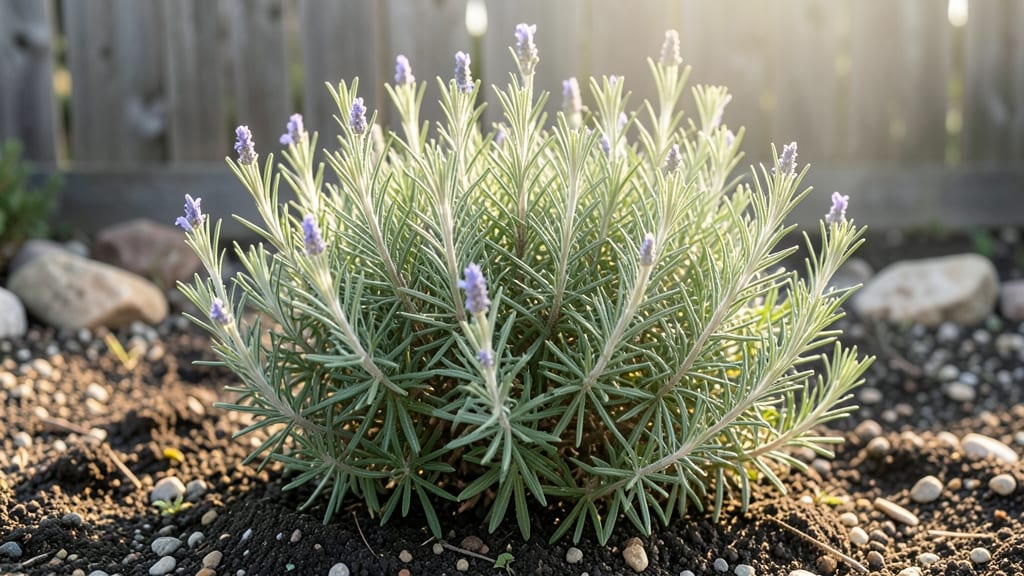
A full-grown rosemary plant 🌿 can reach heights of 3 to 6 feet with the right care, transforming your garden into a fragrant, evergreen powerhouse.
But here’s the catch: without proper pruning and seasonal adjustments, even the hardiest rosemary can turn woody and stop producing those flavorful sprigs you love. I’ve seen it happen—lush plants become leggy and sparse when neglected, and the harvests dwindle.
Rosemary thrives in USDA Zone 6a and beyond, but its needs change with the seasons. Too much water in winter, not enough sunlight in summer, or skipping pruning can all spell trouble.
The good news? With the right techniques, you can keep your rosemary bushy, productive, and ready for year-round harvesting.
In this guide, I’ll walk you through everything—from when and how to prune for maximum growth to seasonal care tips that keep your rosemary lush, no matter the weather. Let’s get started!

How to prune a full grown rosemary plant for maximum growth
A full grown rosemary plant can reach heights of 3-6 feet if left unchecked, but without proper pruning, it becomes leggy and woody. The key to maintaining a bushy, productive rosemary lies in strategic trimming that encourages new growth while preserving its signature fragrance.
Pruning not only keeps your plant looking neat but also stimulates denser foliage and prevents disease.
I’ve found that timing is everything—pruning at the right seasonal windows makes all the difference. Whether you’re preparing for spring’s growth spurt or giving your rosemary a final trim before winter, each cut should serve a purpose.
With the right tools and techniques, you’ll transform a scraggly rosemary into a lush, harvest-ready shrub in no time.
- Step 1
- Step 2
- Step 3
- Step 4
- Step 5
- Step 6
- Step 7
When pruning, always cut just above a leaf node—the point where leaves grow. This ensures new shoots will sprout from that location. I’ve learned that over-pruning can shock the plant, so never remove more than 1/3 of the foliage in a single session.
For a full grown rosemary, this means trimming back only the outermost growth.
After pruning, your rosemary will need extra care to recover. Water deeply but avoid soggy soil, and place the plant in a sunny spot to encourage rapid regrowth. Within a few weeks, you’ll see new green shoots emerging, signaling that your pruning was successful.
For container-grown rosemary, pruning is even more critical since space is limited. Trim back woody stems annually to maintain a compact shape. In containers, rosemary also benefits from root pruning—gently teasing the roots when repotting to encourage a denser root system.
If your rosemary becomes too woody over time, don’t despair. You can rejuvenate it by cutting it back hard in early spring.
Trim all stems down to 4-6 inches tall—this may seem drastic, but it forces the plant to regrow from the base, resulting in a youthful, bushy rosemary within a season.
Remember, rosemary is drought-tolerant, so it’s better to under-prune than overdo it. A little maintenance goes a long way in keeping your plant healthy, fragrant, and ready for harvest all year round.
With these techniques, your full grown rosemary will thrive as both a garden centerpiece and a culinary staple.
Year-round care tips for a thriving full grown rosemary plant
A full grown rosemary plant thrives when you adapt your care routine to the seasons. My 3-6 foot rosemary bushes stay lush and fragrant when I follow these seasonal guidelines. The key is balancing watering frequency, sunlight exposure, and soil conditions while protecting against winter damage.
With these adjustments, my rosemary produces year-round harvests without becoming woody or sparse.
Rosemary's drought tolerance makes it surprisingly low-maintenance, but it still needs well-draining soil and 6+ hours of sunlight daily. In my USDA Zone 6a garden, I've learned that winter care is the most critical factor.
The right protection prevents frost damage while allowing the plant to rest naturally. Let's break down each season's specific needs to keep your rosemary thriving all year.
| Season | Watering | Sunlight Needs | Fertilizer | Special Care |
|---|---|---|---|---|
| Spring | Bi-weekly deep watering | Full sun (6+ hours) | Light feed (1 tbsp 10-10-10) | Prune leggy growth |
| Summer | Weekly if extreme heat | Full sun (morning light) | Skip fertilizing | Mulch to retain moisture |
| Fall | Bi-weekly reduction | Full sun (5+ hours) | No fertilizer needed | Harvest before frost |
| Winter | Monthly light watering | Full sun (if possible) | Dormant - no feed | Protect with burlap |
Spring is when my rosemary really wakes up from dormancy. I start by lightly fertilizing with a 10-10-10 balanced formula in early spring to stimulate new growth. The bi-weekly watering schedule helps establish roots after winter.
I always water in the morning hours to prevent fungal issues. During this season, I also prune any leggy stems to encourage bushier growth and prevent woodiness.
Summer care focuses on water conservation while maintaining that full sun exposure. My rosemary handles heat beautifully, but I increase watering to weekly deep soaks during temperature spikes above 90°F. The mulch layer I add helps retain moisture and keeps roots cool.
I avoid fertilizing during summer as the plant naturally slows growth to conserve energy. Harvesting regularly actually stimulates more growth during this season.
Fall preparation is crucial for winter survival. I reduce watering to bi-weekly intervals as temperatures drop. The last harvest of the season should occur before the first frost to preserve flavor.
I also prune back any dead growth to tidy the plant before winter. In colder zones like mine, I wrap the base with burlap insulation to protect against freezing temperatures.
Winter care is minimal but essential. My rosemary enters dormancy, so I reduce watering to just monthly light waterings to prevent root rot. The full sun exposure continues if possible, though some shade is acceptable.
I avoid fertilizing entirely during this dormant period. If heavy snow is expected, I gently brush it off the branches to prevent breakage from accumulated weight.
With these seasonal adjustments, my full grown rosemary plants remain productive and healthy for years. The key is observing your plant's specific needs and adapting your routine accordingly. A well-cared-for rosemary will reward you with fragrant foliage and abundant harvests throughout all four seasons. 🌿