
Plants
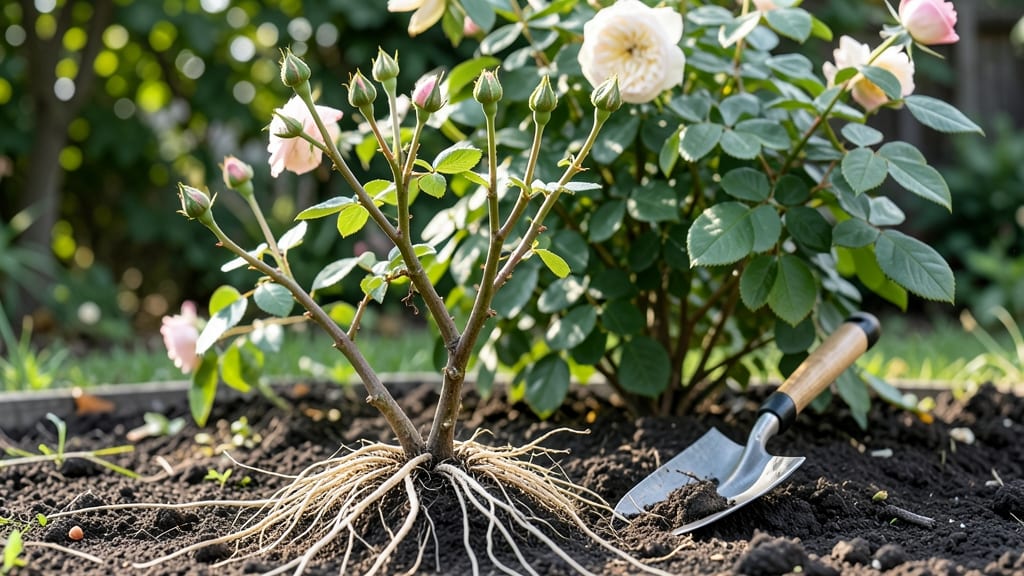
To plant rose bushes in Ohio, aim for April to May after the last frost date—typically around mid-April—when soil temperatures hit 50°F or warmer.
Ohio’s unpredictable spring weather can make or break your rose bushes—plant too early, and frost will kill them; too late, and you’ll miss peak blooming season. Timing is everything for thriving 🌹 roses in the Buckeye State.
Most Ohio gardeners in USDA zones 6a-6b rely on the last frost date as their guide, but soil temperature is the real game-changer. Cold soil slows root growth, leaving roses vulnerable to stress.
Below, I’ll break down the exact window for spring planting, how to prep your soil for Ohio’s clay-heavy conditions, and why fall planting can work—if you meet the deadline by early October.
Ohio’s frost-free planting window for rose bushes (by region)
Ohio’s diverse climate means your planting timeline depends heavily on whether you’re in Northern Ohio (like Cleveland or Toledo) or Southern Ohio (like Cincinnati or Columbus). The last average frost date shifts by 2-3 weeks between these regions, so timing is critical for rose survival and peak blooms.
Let’s break down the frost-free window by zone to help you plant with confidence.
Most of Ohio falls within USDA Hardiness Zones 5b-6b, where roses thrive—but only if planted at the right time. The critical soil temperature for planting is 50°F+, and roots need 4-6 weeks to establish before summer heat arrives.
Missing this window risks transplant shock or stunted growth. Below, I’ve mapped out the ideal planting windows for Ohio’s two main regions, plus key deadlines to avoid.
⚠️ PRO TIP: Always check your local Almanac frost dates (not just averages) for the most accurate timeline. A late frost in May can still damage newly planted roses!
| Region | USDA Zone | Avg. Last Frost | Ideal Planting Window | Soil Temp. Goal | Fall Backup Window |
|---|---|---|---|---|---|
| Northern Ohio (Cleveland, Toledo, Akron) | 5b-6a | April 25–May 5 | May 10–June 1 (after last frost) | 50°F+ (10°C+) | September 15–October 10 |
| Central Ohio (Columbus, Dayton) | 6a-6b | April 15–April 25 | April 25–May 15 (earlier for potted roses) | 50°F+ (10°C+) | September 20–October 5 |
| Southern Ohio (Cincinnati, Chillicothe) | 6b-7a | April 5–April 15 | April 15–April 30 (soil must be workable) | 50°F+ (10°C+) | October 1–October 15 |
For Northern Ohio, the May 10–June 1 window is your safest bet—waiting until after the average last frost (usually early May) gives roots time to establish before summer’s heat.
In Central Ohio, you can push planting to late April if soil temperatures hit 50°F, but monitor forecasts for late frosts. Southern Ohio gardeners have the earliest window, but don’t rush—clay-heavy soils can stay cold longer.
If you miss the spring window, fall planting is a great backup. Aim for 6 weeks before your first frost (usually mid-September to early October), giving roots time to harden off before winter. Fall-planted roses often outperform spring-planted ones because they establish deeper root systems before dormancy.
One critical mistake I see often? Planting bareroot roses too early. These need soil temps above 50°F—if you plant in March, roots may freeze back or rot.
Potted roses are more flexible, but even they need stable soil temps. Always check with your local Cooperative Extension for hyper-local advice.
For Ohio’s clay soils, amend planting holes with compost or peat moss to improve drainage. Roses planted in well-draining soil recover faster from transplant shock. After planting, mulch heavily (3–4 inches) to retain moisture and regulate soil temperature—this is especially important in dry springs or hot summers.
Pro tip: Use rose-specific fertilizer (high in phosphorus) at planting to encourage root growth. Avoid high-nitrogen fertilizers early—they promote leafy growth over blooms, which is the last thing you want in Ohio’s humid summers. Stick to a balanced 10-10-10 formula until buds form.
Finally, prune dead or damaged canes before planting to reduce stress. If you’re planting grafted roses, bury the graft union 1–2 inches deeper than it was in the pot to prevent it from dying back in cold winters.
This simple step can double your success rate in Ohio’s variable climate.
Remember: Roses planted in Ohio’s frost-free window
Signs it’s the perfect time to plant roses in Ohio (beyond the calendar)
Ohio’s spring weather can be as unpredictable as a toddler’s mood—one day warm, the next a surprise frost. While most guides suggest planting roses after the last frost date, I’ve learned to trust my eyes and soil thermometer more than a calendar.
The key is watching for these natural cues that tell you your roses are ready to meet Ohio’s soil.
First, check your soil temperature—it should consistently stay above 50°F (10°C) for at least a week. Cold soil shocks roots, and Ohio’s clay-heavy soils take forever to warm up. I use a cheap soil thermometer (just $10 at garden centers) and wait until it reads 55°F+ during the day.
This usually happens in mid-to-late April in most of Ohio, but it varies by microclimate.
🌱 Your Ohio Rose Planting Checklist (Beyond the Calendar)
- Soil temp: 50°F+ (use a thermometer—don’t guess!)
- Bud swell: Rose canes show peanut-sized buds (not just tight buds)
- Frost risk: 0% chance of frost in your area (check Almanac’s frost predictor)
- Local leaves: Maple/sycamore trees have half-unfurled leaves
- Night temps: Stay above 40°F (4°C) for 3+ nights in a row
Pro Tip: Plant when your neighbor’s dandelions are in full bloom—nature’s foolproof Ohio signal!
Next, inspect your rose canes for bud swell. If you’re planting bare-root roses, look for peanut-sized buds along the stems—not just tight, closed buds. These swollen buds mean the plant is breaking dormancy and ready to grow.
I’ve missed planting seasons by waiting for flowers to appear, but bud swell is your early warning system.
Don’t ignore Ohio’s microclimates. Northern Ohio (like Cleveland or Toledo) might still have frost risk in early May, while southern Ohio (like Cincinnati or Columbus) could be safe by mid-April.
I once planted roses in late April in Lima, OH, only to lose half to a May frost. Now, I wait until I see maple trees with half-unfurled leaves—a sure sign spring’s here to stay.
Finally, pay attention to nighttime temperatures. Roses need consistent warmth, so wait until nights stay above 40°F (4°C) for at least three nights in a row. I set up a min/max thermometer near my garden to track this—it’s saved me from planting too soon.
If you’re in doubt, err on the side of waiting one more week; roses planted in warmer soil establish roots 3x faster.
Remember, Ohio’s clay soil drains poorly when cold. Amend it with compost and sand before planting, and always water deeply after transplanting. The first year’s blooms might be sparse, but strong roots built now mean bigger, healthier roses for years to come. 🌹