
Shrubs
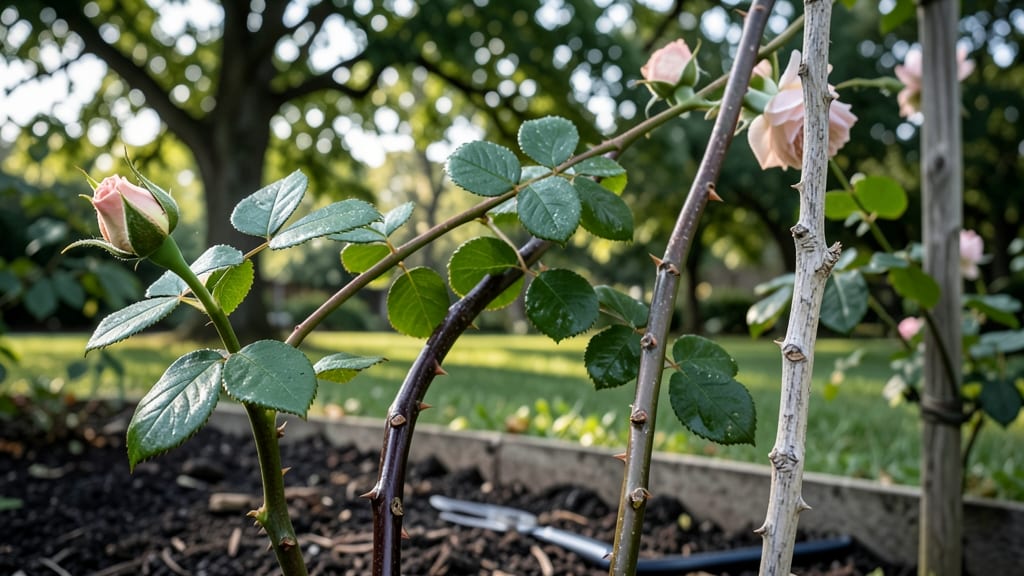
Why is my climbing rose not flowering—even with perfect sunlight and rich soil? Pruning mistakes are the #1 culprit behind those stubborn bare branches. 🌹 I’ve seen roses still refuse to bloom because of one simple error. cutting at the wrong time or in the wrong places.
The fix is easier than you think, and it starts with understanding how roses really grow.
Most gardeners prune too late or too aggressively, leaving no room for new growth—the very thing that produces flowers. Climbing roses need 3-4 main stems to support blooms, but aggressive cuts turn them into leggy sticks. Even worse?
Pruning after the first flush of blooms (June in most zones) can send your plant into a second season of just leaves. The solution? A February-March trim that opens up the center while keeping those sturdy canes intact.
Once you adjust your pruning, you’ll see pink buds within 6-8 weeks—that’s how fast roses respond when you work with their natural rhythm. Add a balanced rose fertilizer in early spring, and you’ll be picking cuttings by summer. The best part? These changes prevent next year’s frustration too.
We’ll cover sunlight tricks, soil secrets, and what to do if your rose still resists—because sometimes it’s not pruning at all. Let’s turn those bare branches into a floral masterpiece before next season.
Hidden Triggers Blocking Blooms
Climbing roses are dramatic showstoppers—but when they refuse to flower, the culprits are often sneaky. These woody beauties need precise conditions to trigger blooms, and even small missteps can throw their delicate cycle off track. Let’s uncover the science behind why your climbing rose might be playing hard to bloom.
Climbing roses bloom on old wood (last year’s growth) or a mix of old and new wood, depending on the variety. If you prune at the wrong time or cut too aggressively, you’re essentially removing next year’s flower buds before they’ve formed.
- When it happens: Pruning in late winter or early spring (when buds are swelling) can strip away dormant flower buds.
Some roses (like repeat-flowering varieties) also need selective summer pruning to encourage new blooms—but too much can backfire. - The science: Roses store energy in bud scales (protective layers on stems). If you prune too late, you risk removing buds that haven’t yet hardened off for winter.
Over-pruning also reduces the plant’s ability to photosynthesize, starving it of the energy needed for blooms. - What to do: - Wait until after the first flush of blooms (late spring/early summer) to prune repeat-flowering varieties. - Never cut into old wood unless it’s dead or diseased—this removes next year’s potential blooms. - Use the "one-third rule": Never remove more than 1/3 of the plant’s total growth in a single pruning session.
Cold stress isn’t just about survival—it’s about bud formation. If your climbing rose endures harsh winters without protection, its energy gets diverted to survival mode, leaving little for spring blooms.
- When it happens: Roses in USDA Zones 5-7 (or colder) need shelter from freeze-thaw cycles, which can crack stems and kill buds.
Windburn and frost damage also weaken the plant. - The science: Roses need chilling hours (40–60°F for 600–1,000 hours) to trigger dormancy and bud set.
Without proper protection, buds may fail to differentiate (turn into flowers) or abort early. - What to do: - Wrap stems in burlap or rose cones before the first frost. - Mound soil or mulch around the base (6–12 inches high) to insulate roots. - Avoid pruning in fall—this removes protective bark and exposes stems to cold damage.
Climbing roses are sun worshippers. Without enough light, they can’t photosynthesize efficiently, leading to weak growth and skipped blooms.
- When it happens: If your rose gets less than 6 hours of direct sun daily, it struggles to produce the carbohydrates needed for flower development. - The science: Roses require high-light intensity to activate floral initiation genes.
Shade reduces phytochrome activity, a light-sensitive pigment that signals the plant to form buds. - What to do: - Choose a south- or west-facing wall for maximum sun exposure. - Thin nearby trees/shrubs to allow dappled light if full sun isn’t possible. - Avoid east-facing walls in cold climates—morning sun can cause frost damage to buds.
Water and nutrients are the fuel for blooms. Too much or too little of either can send your rose into a metabolic slump, halting flower production.
- When it happens: - Overwatering: Leads to root rot, which starves the plant of oxygen and nutrients. - Underwatering: Causes stress, diverting energy to survival instead of blooms. - Nitrogen-heavy fertilizer: Promotes leafy growth at the expense of flowers (roses need a balanced 10-10-10 or bloom-specific formula). - The science: Roses need phosphorus (P) for root development and potassium (K) for flower formation.
Too much nitrogen (N) suppresses flowering hormones like florigen. - What to do: - Water deeply but infrequently—aim for 1–1.5 inches per week, letting soil dry slightly between waterings. - Fertilize in stages: Apply low-nitrogen, high-phosphorus fertilizer in early spring (when buds swell) and mid-summer (to encourage fall blooms). - Avoid fresh manure—it can burn roots and disrupt nutrient uptake.
Hidden invaders like Japanese beetles, spider mites, or fungal diseases (like black spot) drain your rose’s energy, leaving it too weak to bloom.
- When it happens:
- Beetles/mites feed on leaves, reducing photosynthetic surface area.
- Fungal diseases clog stomata (leaf pores), limiting gas exchange and nutrient transport.
- The science: Stress from pests/diseases triggers the release of ethylene gas, a plant hormone that inhibits flowering and promotes defense mechanisms instead.
- What to do:
- Inspect leaves weekly for holes, webbing, or black spots.
- Use neem oil or insecticidal soap for soft-bodied pests (like mites).
- Prune infected leaves immediately and sterilize tools with rubbing alcohol to prevent spread.
If your climbing rose’s roots are root-bound, compacted, or nutrient-poor, it can’t support the energy demands of blooming.
- When it happens: - Container-grown roses with circular roots struggle to absorb water/nutrients. - Clay or rocky soil restricts root growth, limiting the plant’s water and nutrient uptake. - The science: Roots need aeration and mycorrhizal fungi (beneficial soil microbes) to efficiently transport nutrients to the canopy.
Poor soil = weak vascular system = fewer blooms. - What to do: - Repot every 2–3 years if growing in containers, trimming roots to encourage outward growth. - Amend soil with compost or aged manure (1 part compost to 3 parts native soil). - Avoid fresh mulch near the stem—it can smother roots and cause rot.
Extreme heat or sudden temperature swings can disrupt pollination or prevent bud opening.
- When it happens: - Late frost kills newly opened buds. - Heatwaves (above 90°F) cause bud blast (buds drop before opening). - High humidity (above 70%) encourages fungal growth, which competes with flowering. - The science: Roses need stable conditions to pollinate successfully.
Heat stress increases respiration rates, burning through energy reserves before blooms can form. - What to do: - Use shade cloth (30–50% coverage) during peak summer heat. - Water in the morning to cool the plant and reduce fungal spores. - Avoid planting in low-lying areas where cold air pools (causing frost pockets).
Revive Your Climbing Rose Blooms
Now that you know the common culprits behind your climbing rose’s stubborn refusal to bloom, let’s roll up our sleeves and fix the problem—step by step.
Below, we’ve mapped out practical solutions tailored to each cause, along with prevention tips to keep your rose thriving for years to come.
Climbing roses need strategic pruning to encourage flowers, not just random snipping. Here’s how to do it right:
🔪 Step 1: Prune at the Right Time
- When: Late winter or early spring (just before new growth starts).
- Why? Pruning too late can stimulate new growth that won’t harden off before winter, while pruning too early risks cutting back buds that are ready to bloom.
- Pro Tip: 🌡️ If you’re in a mild climate, wait until late February or early March.
In colder zones, aim for March or even April.
🍃 Step 2: Use the Right Technique
Climbing roses bloom on old wood (last year’s growth) and new wood (current season’s growth), so pruning is a balancing act.
- For old wood bloomers (e.g., ‘New Dawn’, ‘Blaze’):
- Cut back 1/3 of the oldest canes to the ground to rejuvenate the plant.
- Remove dead, diseased, or weak canes completely.
- Thin out crossing or rubbing branches to improve airflow.
- For repeat bloomers (e.g., ‘Zéphirine Drouhin’, ‘Mermaid’):
- Prune lightly in late winter to shape the plant.
- Do a second pruning in early summer after the first flush of flowers to encourage more blooms.
- Pro Tip: ✨ Always make cuts at a 45-degree angle, just above an outward-facing bud (about ¼ inch above).
This promotes better healing and growth direction.
🚫 Prevention Tips
- Avoid over-pruning: Never remove more than 1/3 of the plant in one go.
- Label your roses: If you have multiple varieties, keep track of their pruning needs.
- Sanitize tools: Use rubbing alcohol or bleach water to clean pruners between cuts to prevent disease spread.
Climbing roses are sun worshippers—they need 6 to 8 hours of direct sunlight daily to produce flowers.
🌿 Step 1: Assess Your Rose’s Location
- Signs of too little light: Long, leggy stems, few buds, pale green leaves.
- Solution: Move your rose to a sunnier spot if possible.
If relocating isn’t an option, consider: - Trimming nearby trees/shrubs to allow more light. - Removing competing plants that cast shade.
🌞 Step 2: Supplement Light (If Needed)
- For partial shade: If your rose gets only 4-6 hours of sun, it may still bloom but less vigorously.
Try: - Reflective surfaces: Place a mirror or light-colored wall behind the rose to bounce extra light. - Dwarf varieties: If space is limited, opt for compact climbing roses like ‘Iceberg’ that tolerate slightly less sun.
💡 Prevention Tips
- Plant in the right spot from the start: Choose a location with full sun before planting.
- Avoid tall structures: Keep fences, walls, or buildings from blocking sunlight as the rose grows.
- Monitor leaf color: Yellowing or pale leaves are a red flag—act fast to improve light exposure.
Too much water (or soggy soil) stresses roses and halts flowering. Here’s how to get it right:
🚰 Step 1: Check Your Watering Habits
- Signs of overwatering: Yellow leaves, wilting despite wet soil, mushroom growth at the base (a fungus warning).
- Solution:
- Water deeply but infrequently: Aim for 1-1.5 inches per week, including rain.
- Water at the base: Avoid wetting leaves to prevent fungal diseases.
- Use a moisture meter to check soil dryness before watering.
🏗️ Step 2: Improve Drainage
- Test your soil: Stick a trowel in the ground—if water pools or the soil feels compacted, drainage is poor.
- Fix it:
- Amend the soil: Mix in compost or perlite to loosen heavy clay.
- Raise the planting bed: If your yard is naturally soggy, plant the rose in a mound or raised bed.
- Add gravel: For container-grown roses, ensure the pot has drainage holes and a layer of gravel at the bottom.
💡 Prevention Tips
- Mulch properly: Use 2-3 inches of organic mulch (like bark or straw) to retain moisture without suffocating roots.
- Water in the morning: This gives foliage time to dry, reducing disease risk.
- Avoid wetting leaves: Use a soaker hose or drip irrigation to deliver water directly to the roots.
Roses need balanced nutrition to bloom. Too much nitrogen = leafy growth, no flowers. Too little of anything = weak stems and buds.
📊 Step 1: Test Your Soil
- DIY test: Use a soil test kit (available at garden centers) to check pH and nutrient levels.
- Ideal pH: 6.0 to 6.5 for roses. Adjust with lime (to raise pH) or sulfur (to lower pH) if needed.
💪 Step 2: Fertilize Correctly
- Spring feeding (March-April):
- Use a balanced rose fertilizer (e.g., 10-10-10 or 5-10-5).
- Follow label rates—over-fertilizing burns roots.
- Summer feeding (June-July):
- Switch to a low-nitrogen, high-phosphorus fertilizer (e.g., 5-10-5) to encourage blooming.
- Organic options:
- Compost tea or fish emulsion for a gentle nutrient boost.
- Bone meal (for phosphorus) to promote flowering.
🍎 Step 3: Avoid Common Mistakes
- Don’t fertilize in fall: This encourages late growth that won’t harden off before winter.
- Don’t fertilize stressed plants: Wait until the rose recovers from pruning, disease, or drought.
- Pro Tip: ✨ Epsom salt trick: Mix 1 tablespoon of Epsom salt into a gallon of water and spray on leaves monthly for a magnesium boost, which helps with bloom production.
💡 Prevention Tips
- Feed on a schedule: Stick to 3-4 feedings per year (spring, early summer, mid-summer, and optional late summer for repeat bloomers).
- Avoid synthetic fertilizers in winter: They can harm the plant and harm the environment.
- Monitor leaf color: Purple stems or dark green leaves with no flowers? Cut back on nitrogen and increase phosphorus.
Pests and diseases sap energy from your rose, leaving it too weak to bloom.
🐜 Step 1: Identify the Problem
Common culprits:
- Aphids, spider mites, or rose slugs (tiny pests that suck sap).
- Black spot or powdery mildew (fungal diseases that weaken the plant).
- Japanese beetles (they devour petals and leaves).
🛡️ Step 2: Treat It Naturally
- For pests:
- Spray with soapy water (1 tsp mild dish soap + 1 quart water).
- Introduce beneficial insects like ladybugs or lacewings.
- Neem oil spray (reapply every 7-10 days).
- For diseases:
- Remove infected leaves and destroy them (don’t compost).
- Apply copper fungicide or baking soda spray (1 tbsp baking soda + 1 quart water + a drop of dish soap).
- Improve airflow by pruning dense growth.
####
Frequently asked questions
Why does my climbing rose only have leaves but no flowers?
Your rose is likely getting too much nitrogen fertilizer or not enough sunlight. Nitrogen promotes leafy growth while phosphorus and potassium (found in bloom-specific fertilizers) trigger flowers. Move your rose to a sunnier spot (6+ hours of direct sun) and switch to a low-nitrogen, high-phosphorus fertilizer like 5-10-5.
Can I prune my climbing rose in summer to encourage more blooms?
Only if it's a repeat-flowering variety! For most climbing roses, summer pruning can stimulate new growth that won't harden off before winter. Instead, do a light pruning after the first flush of blooms (late spring/early summer) to shape the plant and remove dead wood.
How do I know if my rose needs more sunlight?
Check for these signs: long, leggy stems; pale green leaves; and few to no buds. If your rose gets less than 6 hours of direct sun daily, try moving it to a south- or west-facing wall or thinning nearby trees. Even dappled light can help if full sun isn't possible.
Why did my climbing rose bloom last year but not this year?
Last year's blooms likely came from old wood (last season's growth), while this year's buds may have been pruned away or failed to develop due to stress. Check your pruning timing—late winter cuts can remove dormant flower buds. Also verify your rose got enough chilling hours (40-60°F for 600-1,000 hours) over winter.
What should I do if my climbing rose has black spots on the leaves?
Black spot is a fungal disease that weakens roses and prevents blooming. Remove infected leaves immediately and sterilize your pruners with rubbing alcohol. Improve airflow by pruning dense growth, and apply a copper fungicide or baking soda spray (1 tbsp baking soda + 1 quart water + dish soap) every 7-10 days.