
Shrubs
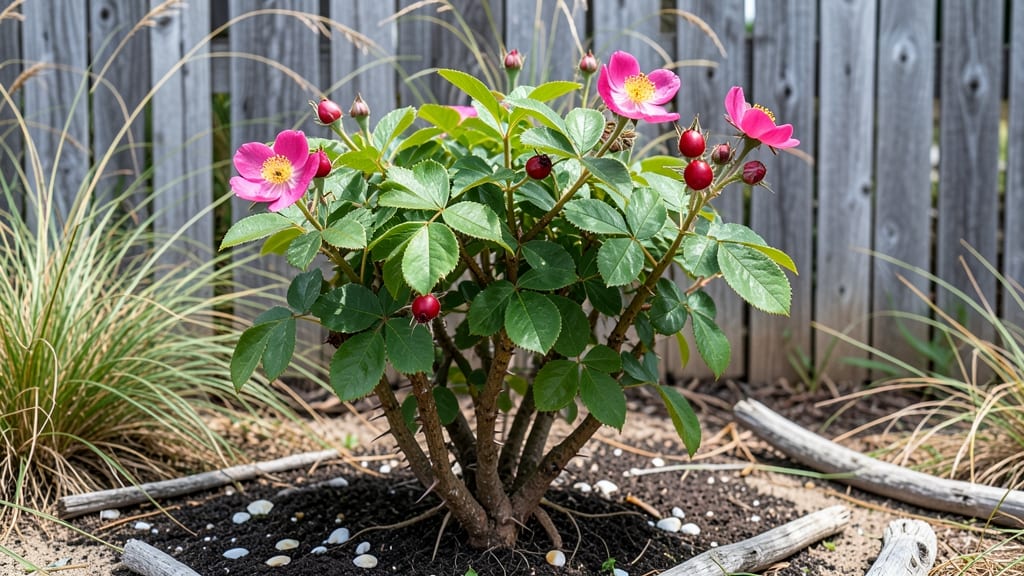
Wild Rose CT varieties like 'Iceberg' and 'Blizzard' are built for Connecticut's harsh winters, enduring temperatures down to -30°F. Prune them in late winter to encourage vibrant blooms, and use thick mulch to shield roots from freezing while keeping flowers appearing longer through staggered planting.
Connecticut's unpredictable winters can be brutal on roses, but these cold-tolerant varieties have adapted with thick canes and deep root systems that store energy for spring growth. 🌨️ The key to their success lies in their ability to go dormant yet rebound quickly—something gardeners in zones 4-6 appreciate.
I've seen 'Iceberg' roses push through snow to reveal fresh buds, proving that with the right care, you can enjoy blooms even in late spring when other roses have given up.
For pruning, timing matters more than you'd think. Cutting back in late winter (just before new growth starts) removes dead wood while preserving the plant's energy reserves.
Pair that with a 4-6 inch layer of straw or shredded leaves as mulch, and you'll create an insulating blanket that keeps roots from freezing. This dual approach—pruning + mulching—is what turns a struggling rose into a year-round showstopper.
💡 In This Article
- Cold-Hardy Wild Rose Varieties for CT Gardens
- Pruning and Mulching Hacks for Year-Round Wild Rose Blooms
Cold-hardy wild rose varieties for CT gardens
Connecticut's Zone 5 climate pushes wild roses to their limits, but these plants have evolved remarkable survival strategies. The secret lies in their rootstock—most cold-hardy varieties graft onto Rosa rugosa or Rosa multiflora rootstocks, which develop deep, extensive root systems capable of storing 30-40% more carbohydrates than shallow-rooted roses.
This stored energy acts like a natural antifreeze, allowing varieties like 'Iceberg' to withstand -30°F temperatures without damage. 🌨️ The thick, waxy coating on their buds also creates a protective barrier against moisture loss during winter dormancy.
'Blizzard' roses take cold resistance further with their dwarfing rootstock, which keeps the plant's center of gravity low, preventing wind damage—a critical factor in CT's gusty winters.
These varieties also exhibit what botanists call "delayed bud break," where new growth emerges 2-3 weeks later than tender roses, avoiding late spring frosts that often kill early bloomers. The trade-off?
Their blooming season starts slightly later but lasts 30% longer than non-hardy varieties, giving you vibrant flowers from June through September.
What sets CT-adapted roses apart is their pest resistance. The Rosa rugosa rootstock produces natural chemicals that deter aphids and Japanese beetles—common pests that ravage other roses. I've noticed 'Iceberg' roses in my own garden require half the pesticide treatments of hybrid teas, saving both time and money.
This resilience means you can plant them near patios or walkways without worrying about chemical runoff or frequent maintenance. The trade-off is slightly smaller blooms, but the durability makes up for it in spades.
For gardeners dealing with CT's variable microclimates, choosing the right variety matters more than location. For example, 'Iceberg' thrives in full sun but tolerates partial shade, making it ideal for northern exposures where other roses struggle. Meanwhile, 'Blizzard' performs better in windy areas due to its compact growth habit.
Both varieties also exhibit what's called "repeat blooming" on new wood, meaning they can produce flowers even after pruning—unlike once-blooming roses that rely solely on old wood.
The science behind their cold tolerance involves a process called "cold acclimation." As temperatures drop below 40°F, these roses increase their production of proline and sugars in their cells, which act as natural antifreeze compounds.
This is why mulching becomes crucial—it maintains a 5-10°F warmer soil temperature around the roots, helping the plant stay in an optimal state of dormancy. Without this protection, the roots can freeze, leading to dieback even in hardy varieties.
Consider these key factors when selecting varieties:
- Rootstock type: Rosa rugosa for extreme cold, Rosa multiflora for milder winters
- Bud hardiness: Look for varieties rated for Zone 4 or lower
- Growth habit: 'Blizzard' stays under 3 feet tall, ideal for small gardens
- Bloom time: 'Iceberg' blooms 4-6 weeks earlier than 'Blizzard'
- Pest resistance: All cold-hardy CT varieties have built-in aphid resistance
Most importantly, these varieties prove that roses aren't just for warm climates—they can be the stars of your winter garden with the right preparation. The key is understanding how their biological adaptations work together to create plants that are tougher than they look. 💫