
Shrubs
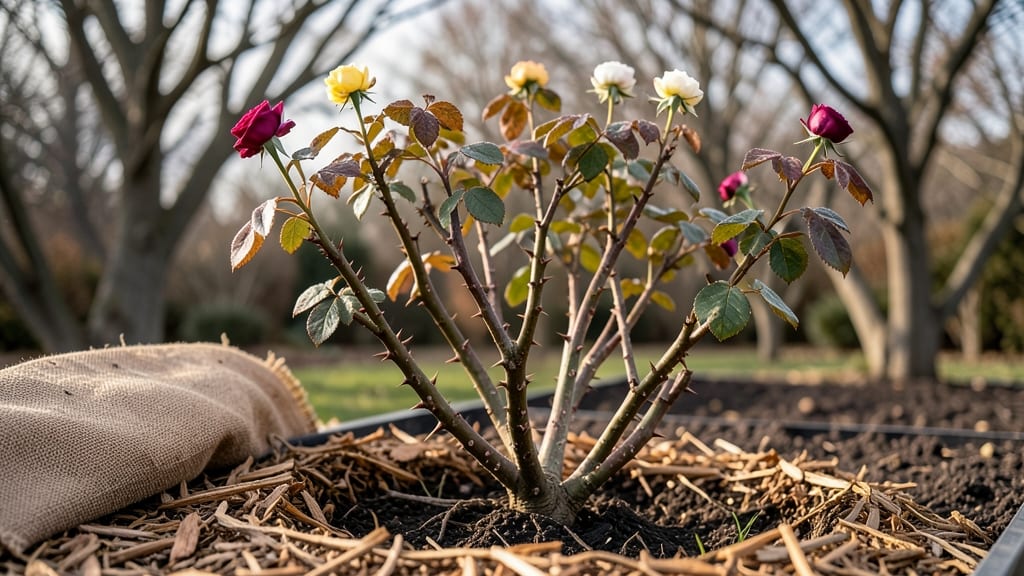
Winterizing shrub roses isn’t just about survival—it’s about setting them up for shockingly lush growth next spring. 🌱 I’ve learned that skipping this step means waking up to brittle canes and fewer blooms, but doing it right transforms your roses into cold-hardy powerhouses that bounce back every year.
The secret lies in timing, layering protection, and knowing when to stop fussing. Start in late fall, after the first hard frost but before the ground freezes solid. This gives the plant time to harden off while still protecting it from sudden temperature swings.
You’ll need burlap, mulch, and maybe even a sturdy cage—no fancy equipment, just smart layering to shield stems and roots from windburn and freezing. What you’ll end up with is roses that push out vibrant green shoots by early spring, often weeks ahead of neglected bushes.
The key is balancing moisture (not too wet, not too dry) and air circulation—too much mulch can smother roots, but too little leaves them vulnerable. I’ve seen roses survive -20°F winters with this method, and they bloom just as heavily as their unprotected neighbors.
Works for zones 3-9, though mild climates need less insulation. The biggest mistake? Waiting until after a freeze to act—damage is already done. Let’s get those roses prepped before winter hits for real.
📚 In This Guide
- What you need
- Instructions
- Tips and common mistakes
- Wrapping up and next steps
What you need
- ● Pruners or loppers – Bypass pruners (sharp, clean) for precise cuts. Loppers for thicker stems (2–4" thick).
- ● Garden gloves – Heavy-duty, waterproof gloves to protect hands from thorns and debris.
- ● Mulch – Organic mulch like straw, shredded leaves, or pine needles (4–6" thick layer). OR inorganic mulch (e.g., straw bales or burlap sacks).
- ● Rose ties or twine – Jute twine or plastic-coated rose ties (10–20 ft, depending on bush size).
- ● Anti-desiccant spray – Wax-based spray (e.g., Dormant Oil Spray) to prevent moisture loss.
- ● Garden fork or spade – For aerating soil around the base before mulching.
- ● Burlap or frost cloth – Breathable fabric (5–10 ft, depending on bush height) for wrapping.
- ● Rose fertilizer (low-nitrogen) – Balanced winterizer (e.g., 10-10-10) to apply before the first frost.
- ● Copper tape or wire – To secure burlap tightly around stems.
- ● Garden hose with spray nozzle – For lightly wetting the mulch before covering (helps insulate).
- ● Stakes or small wooden dowels – To prop up wrapped roses if needed.
Step-by-Step instructions for winterizing shrub roses
Here’s how I protect my shrub roses every fall—no fancy tools, just smart prep for tough winters.
🪴 Step 1: Prune to Encourage New Growth
Start in late fall, just before the first hard frost, when temperatures drop to 30-35°F at night. Use clean, sharp pruners to remove any dead, diseased, or crossing branches. I cut back about one-third of the plant’s height, focusing on shaping rather than drastic cuts—this prevents shock and encourages strong regrowth in spring.
Watch for brown, mushy stems—these are dead and should be removed entirely. Healthy stems will have a firm texture, even if they’re dormant. Prune at a 45-degree angle just above an outward-facing bud to promote airflow and sunlight penetration next season.
☀️ Step 2: Mulch Heavily to Insulate Roots
Spread a 3-4 inch layer of organic mulch around the base of the shrub, keeping it 6 inches away from the stem to prevent rot. I use shredded bark or straw because they break down slowly, adding nutrients while insulating. This layer acts like a blanket, protecting roots from extreme temperature swings.
Don’t skip this step—roots are the most vulnerable part of the plant. The mulch should feel thick enough that your fingers can’t easily push through it. If you’re in a region with sub-zero temperatures, add an extra inch of mulch for heavy protection.
🌱 Step 3: Wrap or Bundle for Wind Protection
For young shrubs or areas with harsh winds, loosely wrap the canes with burlap or frost cloth, tying them at the base with twine. I avoid plastic wraps—they trap moisture and can cause rot. Leave the top open to allow some airflow, but secure the bottom tightly to block cold drafts.
For mature shrubs, bundle the canes together with twine or a rose tie, shaping them into a cone. This helps snow accumulate naturally, adding extra insulation. If you’re in a windy area, stake the wrapped bundle to keep it upright—nothing worse than a collapsed rose pile in a storm.
💧 Step 4: Water Before the Ground Freezes
Give the shrubs a deep watering 2-3 weeks before the first hard freeze. The goal is to saturate the soil down to 12 inches deep, encouraging roots to absorb moisture before the ground locks up. I water in the late afternoon so the soil has time to dry slightly overnight, reducing the risk of frost heave.
Stop watering entirely once the ground freezes—wet soil retains cold, and frozen roots are more susceptible to damage. If your area gets consistent sub-zero temps, a final watering a week before the freeze gives roots just enough hydration to survive the cold.
⏰ Step 5: Monitor and Adjust Through Winter
Check on your shrubs after heavy snowfall or ice storms. Gently brush off accumulated snow to prevent branches from breaking under the weight. If ice forms, avoid knocking it off—tap it gently or use a plastic scraper to protect the canes.
In late winter, when daytime temps rise above 40°F, remove any protective wraps or bundles. This prevents trapped heat from waking the plant too early, which can lead to frost damage when nights are still cold. Prune again in early spring to remove any winterkill before new growth starts.
Tips & tricks for perfectly winterizing shrub roses
Real talk: I've lost shrubs to winter neglect, but these tricks have saved mine every season.
Timing is Everything: The 2-3 week window before your first hard freeze is critical for that deep watering in Step 4. I check my local weather forecast and mark the calendar—this ensures roots get the hydration they need before the ground freezes. If you're in a region with unpredictable weather, err on the earlier side of that window to be safe.
Pruning Precision: In Step 1, when cutting back about one-third of the plant's height, focus on creating an open center. This isn't about drastic cuts—think of it as shaping the shrub to let sunlight and air circulate freely. I always make my cuts at a 45-degree angle just above an outward-facing bud; this simple technique makes all the difference for spring regrowth.
Mulch Thickness Matters: That 3-4 inch layer of organic mulch in Step 2 isn't just for show—it's your plant's winter blanket. For extra protection in sub-zero temperatures, I add an additional inch. The key is to keep it 6 inches away from the stem to prevent rot. If you're using straw, make sure it's weed-free to avoid introducing unwanted plants in spring.
Snow Management: After heavy snowfall in Step 5, don't just brush snow off—gently shake it to avoid damaging the canes. I've learned the hard way that aggressive brushing can snap weak winter wood. For ice buildup, use a plastic scraper or even a soft-bristle brush to gently remove it without harming the plant structure.
Pro Tips for Winterizing Shrub Roses
- Real talk: I've lost shrubs to winter neglect, but these tricks have saved mine every season.
- Timing is Everything: The 2-3 week window before your first hard freeze is critical for that deep watering in Step 4.
- Pruning Precision: In Step 1, when cutting back about one-third of the plant's height, focus on creating an open center.
Frequently asked questions
about winterizing shrub roses—because even the hardiest gardeners have questions! Here are answers to the most common ones to help you prep like a pro.When is the best time to winterize shrub roses?
Start winterizing shrub roses after the first hard frost (when temperatures dip below 25°F) but before the ground freezes solid. This usually falls between late fall and early winter, depending on your zone. Wait too long, and the plant may already be dormant or damaged.
Do I need to prune shrub roses before winter?
Yes! Prune after the first frost but before winterizing. Remove dead, diseased, or weak canes to improve airflow and reduce pests. Avoid heavy pruning—just shape and clean up. Pro tip: Sterilize pruners with rubbing alcohol to prevent spreading disease!
What if I forget to winterize my shrub roses?
Most shrub roses are cold-hardy (USDA Zones 4-9), but untreated plants may suffer split canes, frost heave, or winter burn. If you missed the window, add mulch or a burlap wrap ASAP. Monitor for damage in early spring—healthy growth usually returns!
Are there alternatives to traditional winterizing methods?
Beyond mulch and burlap, try:
- Straw or leaves (natural, breathable insulation).
- Evergreen boughs (like pine) to shield from wind.
- Rose cones or fleece wraps (reusable, easy to remove).
Will winterizing attract pests or rodents?
Not if done right! Mulch and wraps create cozy hiding spots for pests, but keep debris clear and use fine mesh (like hardware cloth) around the base if squirrels or voles are a problem. A quick check in early spring for gnaw marks or nests will catch issues early.
Wrapping up and next steps
Winterizing your shrub roses doesn’t have to be daunting—it’s all about preparation and care to ensure they thrive come spring! 🌱 With the right techniques, you’ll protect your plants from harsh weather while giving them the best chance to bloom beautifully again.
Now that you’re armed with the knowledge, take that next step: schedule your winterizing tasks before the first frost and enjoy the peace of mind that comes with a well-prepared garden.
Your shrub roses will thank you with vibrant, healthy growth—so roll up your sleeves, grab your tools, and get ready for a garden that’s ready to shine year after year! 🌸