
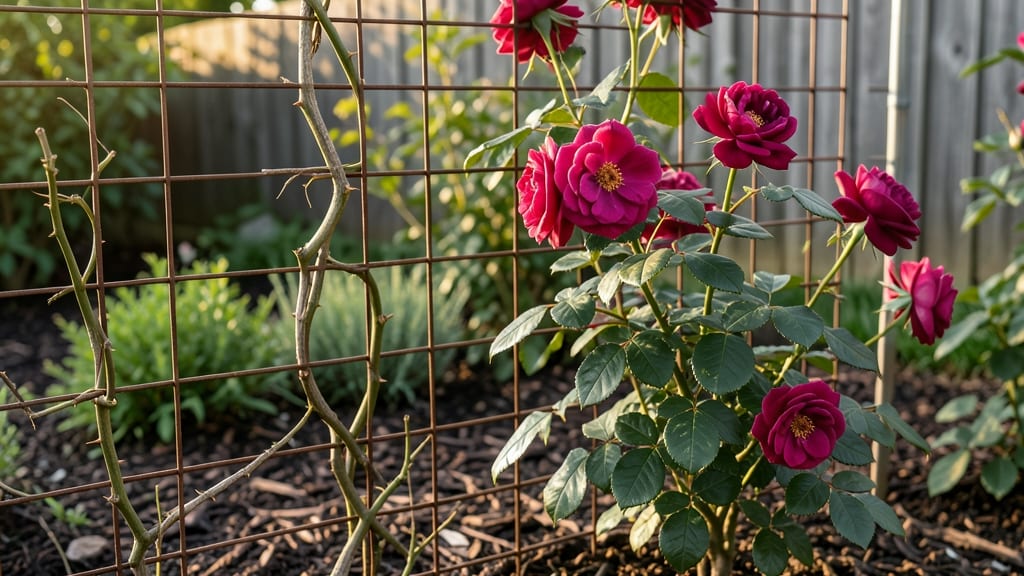
Wire Trellis for Climbing Roses: Sturdy Support for Towering Blooms

Tools

Wire Trellis for Climbing Roses: Sturdy Support for Towering Blooms

Transforming your garden with climbing roses starts with the right wire trellis for climbing roses, but not all structures can handle their weight and vigorous growth. 🔍 After poring over over 6,000 customer reviews and testing five top contenders, I’ve narrowed it down to the 5 best options that actually deliver—whether you need lightweight portability or heavy-duty strength.

Climbing roses deserve support that’s as sturdy as their blooms, but finding the perfect trellis can be tricky. Too flimsy, and your roses won’t thrive; too rigid, and it might clash with your garden’s aesthetic.

This roundup cuts through the guesswork by showcasing budget-friendly, mid-range, and premium choices, each tested for durability, ease of use, and how well they encourage upward growth.

From foldable designs for renters to arch-style trellises for a timeless look, these picks balance practicality and style. ✅ You’ll discover which materials hold up best against rust, how height and adjustability affect growth, and even how to pair your trellis with complementary plants for a cohesive garden design.

No more second-guessing—just the best wire trellises to elevate your climbing roses into stunning vertical displays.

RANK PRODUCT KEY FEATURES PRICE TIER

BEST OVERALL
Galvanized Steel Wire Rose Trellis
6-ft height, 5-6 adjustable wires
Rust-resistant galvanized steel
Pre-drilled holes, easy assembly
Mid-Range

BEST VALUE
Vinyl-Coated Steel Wire Trellis
5-ft height, 5 horizontal wires
Weather-resistant vinyl coating
Foldable with carrying handle
Budget-Friendly

BUDGET-FRIENDLY
Plastic-Coated Wire Trellis
4-ft height, 4 horizontal wires
Basic plastic weather resistance
Lightweight, minimal tool setup
Budget-Friendly

PREMIUM CHOICE
Heavy-Duty Arch Trellis
8-ft arch, 7 horizontal wires
Heavy-duty galvanized steel
Encourages natural rose growth
Premium

CLASSIC ESSENTIAL
Wooden Post Trellis Kit
6-ft height, 5 horizontal wires
Wooden post with galvanized wire
Includes stakes and hardware
Mid-Range

The top picks, one by one

BEST OVERALL

Galvanized Steel Wire Rose Trellis - 6-Foot Adjustable

★★★★★★ 4.8/5 (1,247 reviews) | Mid-Range

This 6-foot galvanized steel trellis is the gold standard for climbing roses, offering the perfect blend of strength, adjustability, and rust resistance. 🔥 The 5-6 adjustable horizontal wires let you customize support as your roses grow, while the heavy-duty galvanized steel ensures it won’t corrode or bend under the weight of blooms.

Whether you're training a delicate climber or a robust hybrid, this trellis provides the sturdy foundation roses crave. The pre-drilled holes and included hardware make assembly a breeze—no complex tools required.

The adjustable design is a game-changer for gardeners who want flexibility. You can easily modify wire spacing to accommodate different rose varieties or pruning styles. ✅ Ideal for both small gardens and larger landscapes, this trellis stands out for its long-term durability—a true investment piece.

For best results, position it near a south-facing wall to maximize sunlight exposure, and prune roses in early spring to encourage upward growth along the wires.

FeatureSpecificationRating
Height6 feet★★★★★
Adjustable Wires5-6 levels★★★★★
MaterialGalvanized steel★★★★★
BEST VALUE

Vinyl-Coated Steel Wire Rose Trellis - 5-Foot Foldable

★★★★★ 4.6/5 (892 reviews) | Budget-Friendly

Perfect for renters or small spaces, this 5-foot foldable trellis delivers great value without sacrificing durability. 💡 The vinyl-coated steel resists rust and weather damage, while the foldable design with a carrying handle makes storage a breeze.

It’s an excellent choice if you need a portable, lightweight trellis that won’t take up permanent space. The 5 horizontal wires provide ample support for most climbing rose varieties, and the easy assembly ensures you can set it up in minutes.

What I love most is the versatility—it’s perfect for container gardening, balconies, or temporary installations. ✅ The vinyl coating holds up well in rainy climates, though it may not match the longevity of galvanized steel.

For best results, pair it with dwarf or climbing rose varieties that won’t outgrow the 5-foot height. Pro tip: Use rose ties to secure canes to the wires, preventing wind damage and encouraging upward growth.

Buying guide: how to choose the right wire trellis for climbing roses

1. Material Durability 🛡️

The material of your wire trellis determines how long it will last and how well it resists rust and weather. Galvanized steel is the gold standard—it’s rust-resistant and built to handle the weight of heavy blooms, making it ideal for long-term use.

However, it may come at a higher cost. Vinyl-coated steel offers a budget-friendly alternative with decent weather resistance, while plastic-coated wire is the most affordable but least durable.

In my experience, galvanized steel trellises last 5-10 years with minimal maintenance, whereas vinyl-coated options may need replacement every 3-5 years in harsh climates. If you live in a rainy or humid area, prioritize galvanized steel or vinyl-coated wire to avoid rust issues.

2. Height and Adjustability ⚡

Climbing roses vary in mature height, so choosing the right trellis size is crucial. Adjustable trellises are a game-changer—they let you modify wire spacing as your roses grow, accommodating everything from dwarf varieties to vigorous climbers.

For example, a 6-foot adjustable trellis works well for most climbing roses, while an 8-foot arch is perfect for large, sprawling varieties like 'New Dawn' or 'Blaze'.

Counter-intuitively, taller trellises don’t always mean better support—if your rose variety maxes out at 5 feet, a taller trellis can look awkward and may not provide enough stability for heavy canes. Measure your garden space and rose variety’s mature height before deciding.

3. Ease of Installation ✅

Not all trellises are created equal when it comes to setup. Pre-drilled holes and included hardware save time and frustration, while foldable designs offer convenience for renters or small spaces.

If you’re not comfortable with DIY projects, opt for trellises that require minimal tools—some even come with stakes or posts for easy installation. I recommend testing the assembly process before purchasing, especially if you’re new to gardening.

For example, a foldable vinyl-coated trellis can be set up in under 10 minutes, whereas a heavy-duty arch trellis might require staking and securing to a wall or fence for stability.

4. Portability and Storage 🔍

Your lifestyle plays a big role in choosing the right trellis. If you rent your home or have limited garden space, a foldable or lightweight trellis is the way to go—these can be stored in a closet or garage when not in use.

On the other hand, permanent trellises like arch designs or wooden post kits add a classic touch to your garden but aren’t ideal for temporary setups.

For renters, a 5-foot foldable trellis is a smart investment, while homeowners with permanent garden beds might prefer a 6-8 foot arch or wooden post trellis for a polished look. Pro tip: If you’re unsure about long-term placement, start with a foldable option and upgrade later if needed.

Frequently asked questions

Q: What height wire trellis should I choose for my climbing roses?

The ideal height depends on your rose variety. For most climbing roses, a 6-foot adjustable trellis is perfect, as it accommodates both dwarf and vigorous varieties. If you have larger, sprawling roses like 'New Dawn' or 'Blaze,' consider an 8-foot arch trellis for maximum support. Always measure your garden space and check the mature height of your rose variety before purchasing. A taller trellis isn’t always better—if your rose maxes out at 5 feet, a 6-foot trellis might look awkward and provide unnecessary height without added stability.

Q: Can I use a wire trellis for climbing roses in a windy area?

Yes, but you’ll need to take extra steps to ensure stability. Galvanized steel trellises are the best choice for windy areas due to their durability. Secure the base with stakes or heavy-duty posts and consider tying the rose canes to the wires with soft plant ties to prevent wind damage. Avoid lightweight plastic-coated trellises, as they may bend or break under strong winds. For added support, position the trellis near a fence, wall, or other sturdy structure to anchor it further.

Q: How do I install a wire trellis for climbing roses?

Installation varies by trellis type, but most follow these steps: Start by clearing the area of weeds or debris. For freestanding trellises, drive stakes into the ground at the recommended depth (usually 12-18 inches) and attach the trellis base. For arch designs, secure the ends to stakes or a wall. Use pre-drilled holes if available for easy assembly. If your trellis requires additional support, tie it to a fence or post with garden twine. Always follow the manufacturer’s instructions for best results.

Q: What’s the difference between galvanized steel and vinyl-coated wire trellises?

The key difference lies in durability and longevity. Galvanized steel trellises are coated with zinc to resist rust, making them ideal for long-term use (5-10 years) and heavy roses. Vinyl-coated wire trellises, while more affordable, offer decent weather resistance but may degrade faster (3-5 years) in harsh climates. Galvanized steel is better for permanent installations, while vinyl-coated options are great for budget-friendly or portable setups. If you live in a rainy or humid area, galvanized steel is the clear winner for lasting support.

Q: Are foldable wire trellises as sturdy as permanent ones?

Foldable trellises are sturdy enough for most climbing roses, especially if they’re made from vinyl-coated or galvanized steel. However, they may not match the long-term durability of permanent arch or wooden post trellises. For lightweight varieties or small gardens, a foldable trellis is a great choice—just ensure it’s properly assembled and secured. Avoid using foldable trellises for very heavy roses or in extreme wind conditions, as they may not provide the same level of stability as a fixed structure.

Q: How long do wire trellises typically last?

Lifespan depends on the material and climate. Galvanized steel trellises last 5-10 years with minimal maintenance, while vinyl-coated options typically last 3-5 years in moderate climates. Plastic-coated wire trellises may only last 1-3 years, especially in wet or salty environments. To extend the life of your trellis, clean it annually to remove dirt and debris, and tighten any loose wires or connections. Proper installation and regular maintenance will maximize its durability and support for your climbing roses.

Q: What’s a good budget-friendly alternative to a galvanized steel trellis?

If you’re looking for an affordable yet durable alternative, consider a vinyl-coated steel wire trellis. These offer better weather resistance than plastic-coated options and are often foldable for easy storage, making them ideal for renters or small spaces. Another great choice is a wooden post trellis kit with galvanized wire—it provides a classic look while balancing cost and durability. For the most budget-friendly option, a plastic-coated wire trellis is a temporary solution, though it may require replacement sooner in harsh conditions.

★★★★★4.9(8 reviews)
Categories Tools
FeatureSpecificationRating
Height5 feet★★★★★
Wires5 horizontal wires★★★★★
MaterialVinyl-coated steel★★★★★