
Pests and Diseases
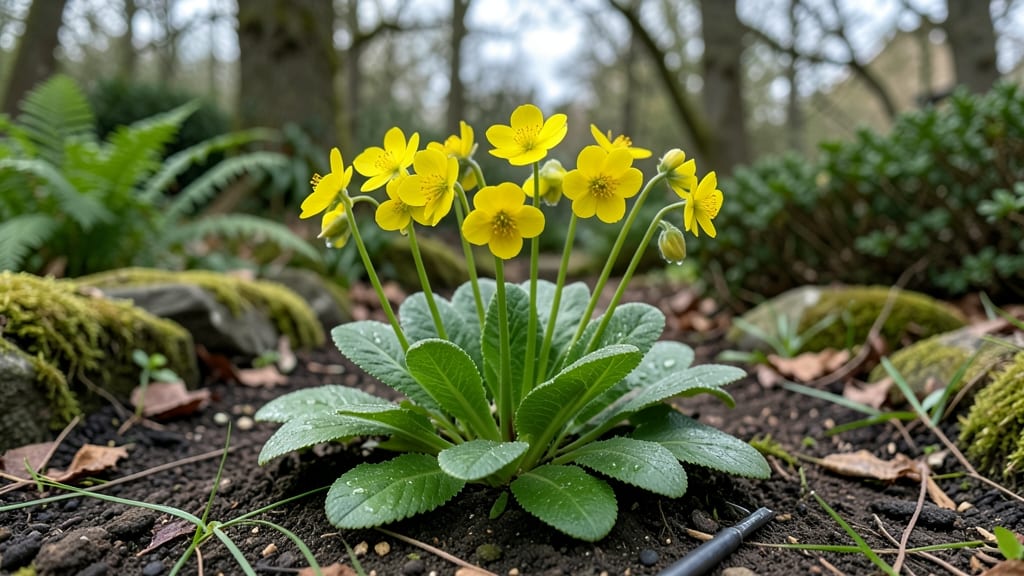
Your primroses' yellow leaves aren’t a death sentence—they’re a wake-up call. 🌿 I’ve nursed back more than my share of struggling primroses, and the fix often comes down to three simple checks: water, light, and airflow.
What starts as a sad yellowing can turn into vibrant green foliage within weeks if you catch it early.
The most common culprits are overwatering (which drowns roots) or fungal blight (thriving in damp, shaded spots). My own primroses turned around after I swapped afternoon watering for morning and moved them to a spot with dappled sunlight.
The key is balancing moisture—soil should feel like a damp sponge, not a swamp.
Once you’ve adjusted watering, prune away yellowed leaves to redirect energy to healthy growth. A light application of neem oil or copper fungicide can stop fungal spread in its tracks. Within 2-3 weeks, you’ll see new growth pushing through, and those sad yellow patches will fade into memory.
This works for both garden beds and container-grown primroses—just adjust watering frequency based on pot size. The same principles apply whether you’re dealing with primroses in full sun or partial shade. Let’s bring those leaves back to life!
Root Causes of Yellowing Primrose Leaves
Yellowing leaves on your primrose can be a sign that something isn’t quite right, but understanding the why behind it is the first step to fixing it. Below, we break down the most common culprits—from environmental stress to hidden pests—so you can diagnose the issue with confidence.
Primroses thrive in moist but well-draining soil. When roots sit in soggy conditions, they suffocate, starving leaves of oxygen and nutrients. This leads to chlorosis (yellowing between leaf veins) and, in severe cases, root rot.
Why it happens:
- Waterlogged soil disrupts nutrient uptake, causing magnesium and iron deficiencies.
- Compacted or clay-heavy soil traps excess moisture, preventing roots from breathing.
- Overzealous watering (especially in pots) can drown roots, as primroses prefer soil that’s consistently moist but not soggy.
Actionable fix:
- Test drainage by digging a small hole—if water pools after 30 minutes, amend soil with perlite or sand.
- Use pots with drainage holes and a saucer (empty excess water after 10 minutes).
- Water at the base (not overhead) to avoid fungal issues.
Primroses are shade-loving perennials, and direct afternoon sun can scorch their delicate foliage. Yellowing often starts on leaves exposed to harsh light, especially in hot climates.
Why it happens:
- UV damage breaks down chlorophyll, turning leaves yellow or brown.
- Transpiration stress (excessive water loss) occurs when roots can’t keep up with evaporation.
- Heatwaves accelerate nutrient depletion, as the plant diverts energy to survival.
Actionable fix:
- Move potted primroses to partial shade (dappled sunlight or morning sun).
- Mulch garden beds with 2–3 inches of organic matter (like shredded bark) to retain moisture.
- Avoid fertilizing during heatwaves—wait until temps drop below 85°F (29°C).
Not all yellowing is environmental—sap-sucking insects and fungal infections can drain your primrose’s vitality, leaving leaves pale or spotted.
| Culprit | Signs | Why It Happens |
|---|---|---|
| Aphids | Sticky residue (honeydew), curled leaves | Aphids inject toxins while feeding, disrupting nutrient flow. |
| Spider Mites | Fine webbing, speckled yellowing | They pierce cells, causing chlorophyll loss (worse in dry conditions). |
| Powdery Mildew | White fungal coating, yellow patches | Fungal spores thrive in humid, stagnant air, blocking sunlight to leaves. |
| Root-Knot Nematodes | Stunted growth, yellowing from bottom | Microscopic worms damage roots, reducing water/nutrient absorption. |
Actionable fix:
- Blast pests off with a strong spray of water or use neem oil (1 tsp per quart of water, spray weekly).
- Prune infected leaves (sterilize shears with rubbing alcohol) to prevent fungal spread.
- Improve airflow by spacing plants 12–18 inches apart and avoiding overhead watering.
Yellowing often signals a nutrient imbalance, but it’s rarely a single deficiency—it’s usually a chain reaction from poor soil health.
Common triggers:
- Iron deficiency (chlorosis): Yellow leaves with green veins (common in alkaline soil).
- Nitrogen starvation: Pale yellow leaves (plant can’t produce enough chlorophyll).
- Over-fertilization: Brown leaf tips or edges (salt buildup burns roots).
Why it happens:
- Alkaline soil (pH >7.0) locks out iron and manganese, even if they’re present.
- Peat-heavy or exhausted soil lacks micronutrients over time.
- Fresh manure or synthetic fertilizers can cause salt burn if overapplied.
Actionable fix:
- Test your soil (DIY kits are affordable) and amend with chelated iron or sulfur for acid-loving primroses.
- Top-dress with compost in spring to replenish organic matter.
- Flush soil with water if you suspect fertilizer burn (water until it drains freely from the bottom).
Not all yellowing is a red flag! Primroses are deciduous perennials, meaning they may shed older leaves as they prepare for dormancy or new growth.
Why it happens:
- Senescense (aging): Older leaves yellow and drop naturally to redirect energy to new shoots.
- Spring flush: After winter, primroses may produce yellow-edged leaves as they transition to full growth.
- Dormancy prep: In late summer, some varieties slow growth, causing leaf yellowing before dieback.
How to tell it’s normal:
- Yellowing starts at the base of the plant (not random patches).
- New leaves emerge green and healthy.
- The plant doesn’t wilt or drop buds.
Actionable tip:
- Leave old leaves unless they’re diseased—they protect roots from temperature swings.
- Deadhead spent blooms to encourage continuous foliage production.
Fixing yellowing primrose leaves naturally
Yellowing leaves on your primroses can feel like a gut-punch—especially when you’ve nurtured them with care. But don’t toss those blooms just yet! Here’s a practical, step-by-step guide to diagnose and fix the issue, tailored to the most common causes.
Plus, we’ll share prevention tips to keep your primroses thriving for seasons to come.
If your primroses are drowning in soggy soil, their roots suffocate, leading to yellowing leaves and potential rot.
How to Fix It:
- 🔥 Repot or Loosen Soil – Gently remove the plant from its container and inspect the roots. If they’re mushy or black, trim the damaged parts with sterilized scissors (dip in rubbing alcohol). Repot in fresh, well-draining soil mixed with perlite or sand (30% amendment).
- 👨🍳 Elevate the Pot – Ensure pots have drainage holes. Place them on feet or saucers to prevent water pooling. For ground-planted primroses, consider raised beds or mounding soil for better airflow.
- ⏰ Water Wisely – Water only when the top inch of soil feels dry. Stick your finger in—if it’s damp, wait! Primroses prefer moist but not soggy conditions.
💡 Pro Tip: Mulch around the base (but not touching the stem) with gravel or bark chips to improve drainage and reduce evaporation.
Primroses love partial shade but can scorch under harsh afternoon sun, causing yellowing and crispy edges.
How to Fix It:
- 🌡️ Gradual Acclimation – If moving from indoors to outdoors, harden off plants by exposing them to 2–3 hours of morning sun over 1–2 weeks before full shade.
- 🎯 Strategic Placement – Relocate pots or garden beds to a spot with dappled sunlight (e.g., under trees or near a north-facing wall). Use lightweight shade cloth (30–50%) if full sun is unavoidable.
- 🥗 Hydration Boost – Water deeply in the early morning to reduce stress. A mulch layer (2–3 inches) retains moisture and cools roots.
✨ Prevention Hack: Group primroses with taller plants (like ferns or hostas) to naturally filter harsh light.
Yellowing leaves can signal aphids, spider mites, or powdery mildew—all of which weaken plants by sapping nutrients.
How to Fix It:
- 🔪 Inspect & Isolate – Check leaves for sticky residue (aphids), webbing (mites), or white powder (mildew). Isolate affected plants to prevent spread.
- 🍳 Natural Pesticides –
- For Aphids/Mites: Spray with neem oil solution (1 tsp neem oil + 1 tsp mild soap + 1 quart water). Reapply every 5–7 days.
- For Mildew: Mix 1 tbsp baking soda + 1 quart water + a drop of dish soap. Spray under leaves and repeat weekly.
- 🌿 Prune & Dispose – Snip off severely damaged leaves with clean shears. Do not compost—dispose of infected foliage in the trash to stop reinfection.
💡 Pro Tip: Encourage beneficial insects like ladybugs by planting dill or marigolds nearby—they’ll feast on pests naturally!
Yellowing leaves (especially lower ones) may signal nitrogen or iron deficiency, common in poor or overworked soil.
How to Fix It:
- 📊 Soil Test First – Grab a DIY soil test kit (or send a sample to a local extension office) to confirm deficiencies. Primroses thrive in slightly acidic soil (pH 6.0–7.0).
- 💪 Balanced Fertilizer – Use a slow-release, organic fertilizer (like fish emulsion or compost) in early spring. Avoid high-nitrogen feeds in summer—they promote leafy growth over blooms.
- 🍎 Iron Boost – For yellowing between veins (chlorosis), apply chelated iron or sprinkle EGGshells (crushed) around the base. Iron supplements (like iron sulfate) can be mixed into water and applied as a foliar spray.
🎯 Prevention: Amend soil annually with compost or worm castings to maintain nutrient balance.
If your primroses recently moved or had root disturbance, they may struggle to adjust, leading to yellowing.
How to Fix It:
- 🌱 Root Stimulator – After repotting, dip roots in rooting hormone or mix 1 tsp honey into water before watering to encourage regrowth.
- 🌡️ Stress Reduction – Keep plants in shade for 1–2 weeks post-transplant. Avoid fertilizing until new growth appears (usually 4–6 weeks).
- 💧 Gentle Watering – Water lightly but frequently (every 2–3 days) to keep roots hydrated without overwhelming them.
✨ Quick Fix: Mist leaves daily with room-temperature water to increase humidity and ease shock.
Final Reminder: Act fast but stay patient—some yellowing is normal as primroses shed old leaves. If the problem persists after 2–3 weeks, reassess the cause and adjust your approach. With these fixes, your primroses will bounce back with vibrant, healthy foliage in no time! 🌿✨
Frequently asked questions
Why do my primrose leaves turn yellow in patches?
Patchy yellowing often signals fungal infections like powdery mildew or pest damage from aphids/spider mites. Check for white powdery coatings or sticky residue—these indicate fungal or insect issues. Improve airflow by spacing plants 12–18 inches apart and apply neem oil or baking soda spray to treat infections.
Can I save a primrose with completely yellow leaves?
Yes, but act fast! If only older leaves are yellow (starting at the base), it’s likely natural aging. Prune them completely and check roots for rot. If new growth is also yellow, adjust watering (soil should stay moist but not soggy) and test soil pH—primroses prefer 6.0–7.0. With proper care, new green leaves should appear in 2–4 weeks.
How often should I fertilize primroses with yellow leaves?
Fertilize only once in early spring with a balanced organic fertilizer (like 10-10-10). Yellowing from over-fertilization shows as brown leaf tips. If you suspect nutrient deficiency, use a soil test kit first—primroses often need iron (apply chelated iron) or magnesium (Epsom salt spray) rather than heavy nitrogen.
Will yellow primrose leaves grow back green?
Most yellow leaves won’t revert to green, but the plant will produce new healthy ones if you address the root cause. Focus on pruning yellowed leaves (cut at the base) and adjusting care. Within 3–6 weeks, you’ll see fresh green foliage emerge from the center—this is a sign the plant is recovering!
Can I use coffee grounds to fix yellow primrose leaves?
Yes! Coffee grounds are slightly acidic (pH 6.2–6.4) and provide nitrogen, which helps correct yellowing from deficiencies. Mix 1/4 cup into the top 2 inches of soil monthly, but avoid direct contact with stems to prevent mold. For faster results, combine with a compost top-dressing to improve soil structure.