
Aphids
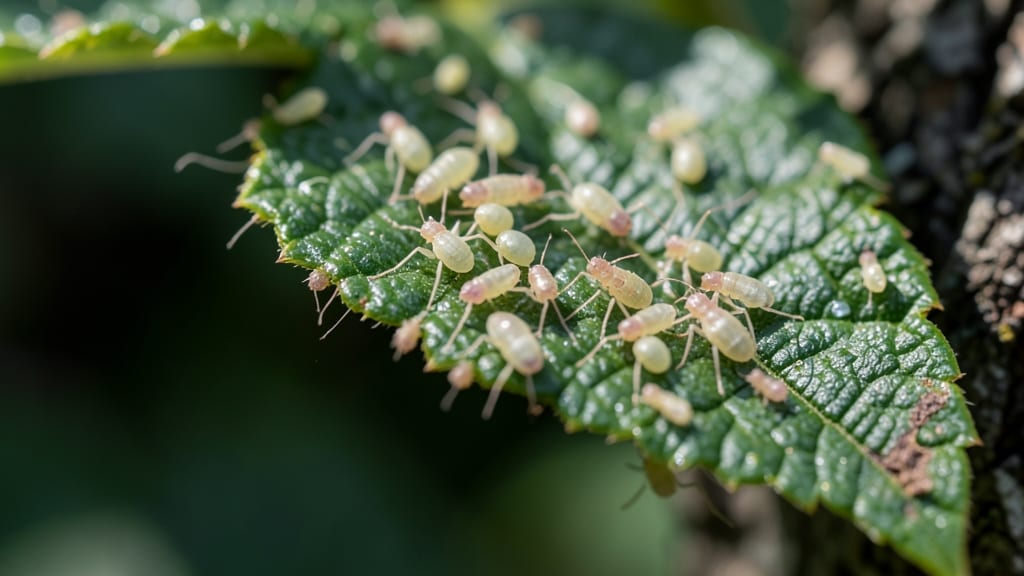
Those sticky, curled leaves on your Rose of Sharon mean aphids have moved in—and they multiply fast. 🌿 I’ve battled these sap-sucking pests on my own Hibiscus syriacus, and while they’re annoying, organic sprays work within days if you act quickly.
The key is stopping the infestation before it weakens your plant for the season.
Most gardeners grab the first spray they see, but that’s a mistake. Harsh chemicals kill beneficial insects too, leaving your plant vulnerable to worse pests later. Instead, neem oil and insecticidal soap disrupt aphids’ life cycle without harming pollinators—just mix, spray, and repeat every 5–7 days until they’re gone.
I’ve seen results in 3–5 days with consistent treatment.
What you’ll end up with is a Rose of Sharon that’s thriving again, with fresh green leaves and no more sticky residue. The best part? These sprays also deter future infestations if you apply them as a preventative in early summer.
No more wasting time scrubbing leaves or watching blooms get chewed.
Works for all Hibiscus varieties, including the dwarf types, and plays nicely with your garden’s ecosystem. Let’s tackle this infestation the smart way—your roses will thank you.
Root Causes Of Rose Attacks
When aphids descend on your Hibiscus syriacus (commonly called Rose of Sharon), they’re not just randomly choosing your plant—they’re drawn by a mix of environmental, biological, and even cultural factors. Understanding these triggers is the first step to stopping the infestation before it spirals out of control.
Let’s break down the key reasons why these tiny pests target your prized shrub.
Aphids thrive where plants are weak but well-fed. When your Rose of Sharon receives too much nitrogen-rich fertilizer—especially in the form of synthetic blends or overwatered soil—it produces tender, sugary new growth that aphids love. Here’s why:
- Soft, succulent leaves are aphids’ favorite snack. High nitrogen promotes rapid, delicate foliage that’s easy for them to pierce and feed on.
- Excess sap production: When plants grow too fast, they produce more honeydew (a sticky byproduct of aphid feeding), which attracts more pests and promotes sooty mold.
- Lack of natural defenses: Stressed plants (from over- or under-watering) often produce less defensive compounds like tannins, making them easier targets.
Actionable fix: Shift to a balanced fertilizer (e.g., 10-10-10 NPK ratio) and avoid heavy nitrogen applications in spring. Let the soil dry slightly between waterings to toughen up the plant’s leaves.
Aphids are opportunistic hitchhikers, and dense, unkempt shrubs provide the perfect hiding spots. Here’s how overgrowth and poor spacing fuel the problem:
- Limited airflow: Tightly packed branches create humid microclimates, which aphids adore. Poor ventilation also slows down beneficial predators (like ladybugs) from patrolling your plant.
- Debris and mulch buildup: Old leaves, spent blooms, and thick mulch layers trap aphids and their eggs, giving them a safe haven to multiply undetected.
- Weakened immunity: Overcrowded plants compete for resources, weakening their natural resistance to pests.
Actionable fix:
- Prune your Rose of Sharon annually (late winter/early spring) to improve airflow. Aim for an open vase shape with spaced-out branches.
- Remove all fallen leaves and debris within a 3-foot radius of the plant. Consider mulching lightly (1–2 inches) with organic matter like shredded bark.
Aphids are not the primary problem—they’re a symptom of an ecosystem out of balance. When their natural enemies vanish, populations explode. Common disruptors include:
| Cause | How It Attracts Aphids | Solution |
|---|---|---|
| 💥 Pesticide overuse | Kills ladybugs, lacewings, and parasitic wasps (aphids’ top predators). Even selective sprays can create a "pesticide desert." | Switch to targeted organic sprays (e.g., neem oil) and avoid broad-spectrum chemicals. |
| 🏡 Lack of biodiversity | Monoculture gardens (e.g., only roses or hibiscus) starve predator populations of alternative food sources. | Plant companion plants like dill, fennel, or yarrow to attract beneficial insects. |
| ❄️ Harsh winters | Severe cold can wipe out overwintering predators, leaving aphids unchecked in spring. | Use row covers or mulch heavily in late fall to protect beneficial insects. |
Pro tip: 🌿 Install a small water source (like a shallow dish with pebbles) near your plants—many predator insects are thirsty and will colonize if you provide one!
Aphids are cold-blooded and thrive in specific weather patterns. Your Rose of Sharon might be a buffet because:
- Warm, dry springs: Aphids reproduce 10x faster in temperatures above 70°F (21°C). Drought-stressed plants also exude more sugars in their sap.
- Humid summers: High moisture levels slow down natural predators (like ladybugs) and create sticky conditions that trap aphids on leaves.
- Sudden temperature swings: Plants under stress from heat waves or late frosts produce weaker defenses.
Actionable fix:
- During aphid-prone seasons (spring/early summer), water deeply early in the morning to reduce humidity on leaves.
- Use shade cloth (30–50% coverage) if your region experiences extreme heat waves.
- Monitor local weather forecasts—aphid outbreaks often spike after unseasonably warm spells.
Quick Fixes for Stubborn Pests
When aphids invade your Rose of Sharon, acting fast is key—but don’t panic! These tiny sap-suckers can be banished with a mix of targeted treatments and smart prevention.
Below, we’ve mapped out the best fixes based on the root cause of your infestation, so you can tackle the problem head-on without harsh chemicals. Plus, we’ll share pro tips to keep your shrub aphid-free for good.
If your Rose of Sharon is already weakened by drought, poor soil, or overpruning, aphids will see it as an all-you-can-eat buffet. Start by strengthening the plant’s defenses before attacking the pests.
🌱 Step 1: Hydrate & Feed
- Water deeply (1–2 inches per week) to encourage vigorous growth. Aphids love stressed plants, so consistent moisture helps them thrive less.
- Fertilize lightly with a balanced, organic fertilizer (like fish emulsion or compost tea) to boost immunity. Pro tip: Avoid nitrogen-heavy feeds—too much softens stems, making them easier targets for aphids. 💡
🌿 Step 2: Prune Strategically
- Trim back overcrowded branches to improve airflow. Aphids hide in dense foliage, so thinning out the plant makes them easier to spot and treat.
- Remove heavily infested leaves or stems and dispose of them in a sealed bag (not your compost!).
💦 Step 3: Rinse Off Aphids (Gentle but Effective)
- Spray the plant with a strong stream of water from a hose (early morning or evening to avoid shocking the plant). This dislodges aphids and washes away honeydew.
- Repeat every 2–3 days until the population drops. For stubborn clusters, use a soft brush to scrub them off manually.
If aphids have taken over, you’ll need a stronger organic response. These sprays smother, repel, or disrupt aphid life cycles without harming your Rose of Sharon.
🍳 Homemade Soap Spray (Best for Immediate Relief)
Mix:
- 1 tbsp mild liquid castile soap (or insecticidal soap)
- 1 quart water
- 1 tsp neem oil (optional, for extra punch)
How to use:
- Shake well and spray directly on aphids (undersides of leaves are a hotspot!).
- Apply early morning or late evening to avoid burning the plant in sunlight.
- Reapply every 5–7 days until aphids vanish.
Pro tip: Test the spray on a small leaf first to ensure it doesn’t cause browning. 🌡️
🌿 Neem Oil Spray (Disrupts Life Cycle)
Neem oil doesn’t just kill aphids—it confuses them by mimicking their pheromones, stopping them from reproducing.
- Mix 1 tbsp neem oil + 1 tsp mild soap + 1 quart water.
- Spray thoroughly, covering all leaf surfaces.
- Reapply every 7–10 days for 3–4 weeks to break their cycle.
Warning: Avoid spraying in direct sun (can cause leaf burn).
🍵 Beneficial Insects: Nature’s Pest Control
Ladybugs, lacewings, and parasitic wasps are aphid predators. Attract them with:
- Planting companion flowers like marigolds, dill, or yarrow nearby.
- Avoiding pesticides (even organic ones) that might harm these helpers.
- Purchasing ladybug larvae from garden centers and releasing them at dusk.
Fun fact: A single ladybug can eat 50+ aphids in a day! 🐞💥
Once your Rose of Sharon is aphid-free, lock in those gains with these long-term strategies.
🌟 Year-Round Care Tips
- Mulch well: A 2–3 inch layer of organic mulch (like shredded bark) retains moisture and deters aphids by reducing soil-borne pests.
- Encourage biodiversity: The more pollinators and predators in your garden, the fewer aphids will survive. 🌼🐝
- Monitor regularly: Check new growth and undersides of leaves weekly. Early detection = easier fixes.
🚫 What to Avoid
- Over-fertilizing: Too much nitrogen = soft, aphid-loving growth.
- Ignoring other pests: Mealybugs and spider mites can also stress your plant—treat them early!
- Skipping seasonal cleanups: Remove dead leaves and debris in fall to eliminate aphid hiding spots.
With these targeted fixes, your Rose of Sharon will bounce back faster than you think. Remember: consistency is key—aphids multiply quickly, so stay vigilant! For extra stubborn cases, combine soap spray + neem oil + beneficial insects for a one-two punch. Happy gardening! ✨
Frequently asked questions
How do I know if my Rose of Sharon has aphids?
Look for tiny green, black, or brown insects clustered on new growth or leaf undersides. You’ll also spot sticky honeydew residue on leaves or nearby surfaces, and leaves may curl or yellow. Check stems and buds too—aphids love tender areas.
Will aphids kill my Rose of Sharon plant?
Not directly, but severe infestations can weaken the plant over time by draining sap and spreading sooty mold. The real danger is secondary stress—aphids attract ants and create conditions for fungal growth. Act within 3–5 days of noticing them to prevent long-term damage.
Can I use vinegar spray for aphids on Rose of Sharon?
Not recommended! Vinegar’s acidity can burn leaves and harm beneficial insects. Instead, use 1 part water + 1 part alcohol (70% isopropyl) in a spray bottle—it dries out aphids without damaging plants. Test on a small leaf first to check for sensitivity.
How often should I apply neem oil to prevent aphids?
Apply neem oil every 7–10 days during aphid-prone seasons (spring/early summer). For prevention, a monthly application keeps aphids away by disrupting their life cycle. Always spray in evening to avoid leaf burn from sunlight.
Why do aphids keep coming back after treatment?
New aphids often arrive from nearby plants or hitchhike on wind currents. To break the cycle, treat all nearby plants and introduce ladybugs or lacewings. Also check for hidden eggs on stems—some species lay eggs that hatch after treatment.