
Shrubs
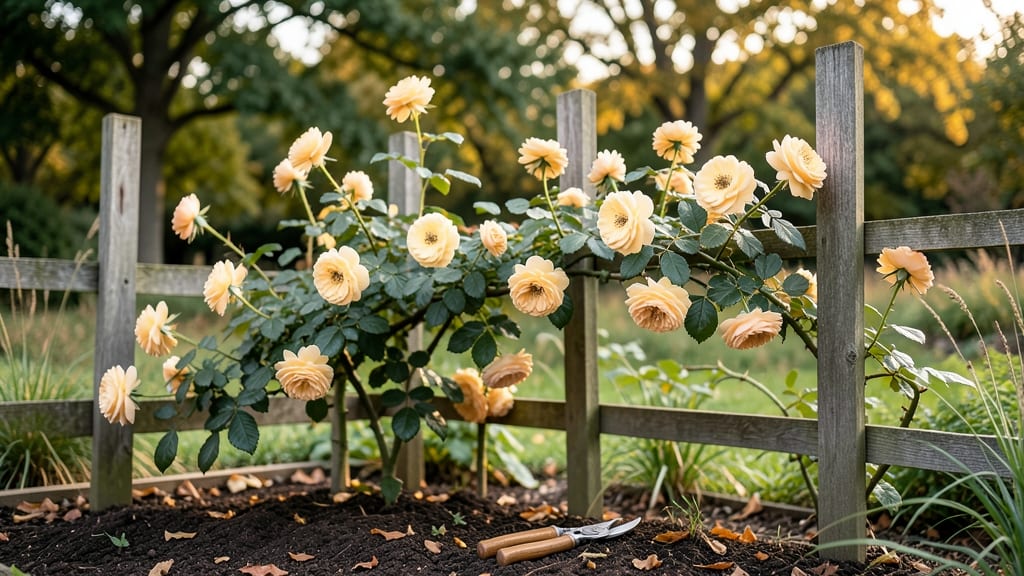
An apricot climbing rose transforms any garden into a romantic fairytale with its blush-pink blooms and intoxicating fragrance. 🌸 I’ve watched mine climb a rustic wooden arbor, creating a canopy of delicate petals that lasts from spring through fall—and even into winter when the weather stays mild.
The key to making it a showstopper lies in its placement. Train it along a fence, pergola, or trellis where its arching branches can spill over like a waterfall of petals.
Pair it with silver foliage plants like lamb’s ear or dusty miller to make the pink blooms pop, or let it mingle with climbing clematis for a layered, dreamy effect. With minimal pruning—just a light trim after each bloom cycle—you’ll keep it lush and encourage more flowers.
The scent alone draws hummingbirds and butterflies, turning your vertical space into a living magnet for pollinators. Perfect for small gardens, entryways, or even balcony railings. Here’s how to style it like a pro without the fuss.
📚 In This Guide
- What you need
- Instructions
- Tips and common mistakes
- Wrapping up and next steps
What you need
- ● Apricot Climbing Rose Plant: 1 healthy, disease-free bare-root or potted plant (check for vibrant foliage and no signs of pests).
- ● Pro tip: 💡 Opt for a grafted variety to ensure consistent apricot-hued blooms!
- ● Soil: Well-draining, slightly acidic soil (pH 6.0–6.5).
- ● Mix in compost or organic matter (5–10 gallons) to enrich the soil before planting.
- ● Fertilizer: Balanced rose fertilizer (10-10-10 or 5-10-5 NPK ratio) or composted manure (1–2 cups).
- ● Pro tip: 🌡️ Apply fertilizer in early spring and again after the first flush of blooms!
- ● Support Structure: 1 trellis, arbor, or sturdy fence (at least 6–8 feet tall) for climbing.
- ● Or, a strong wire frame (1/4-inch diameter) if building a DIY structure.
- ● Tools: Trowel or spade for digging.
- ● Pruning shears (sterilized with rubbing alcohol).
- ● Garden hose or watering can.
- ● Mulch (2–3 inches of wood chips or straw) to retain moisture.
- ● Epsom Salt: 1 tablespoon mixed into water (monthly) for magnesium boost.
- ● Rose-specific fungicide (preventative measure against black spot).
- ● Slow-release fertilizer spikes for convenience.
- ● Decorative stakes or clips to guide young vines initially.
Step-by-step guide to planting and caring for apricot climbing roses
Here’s how to grow fragrant apricot climbing roses that bloom beautifully year-round.
🪴 Step 1: Choose the Perfect Location and Prepare the Soil
Select a spot with full sun exposure (6-8 hours daily) and a sturdy trellis or wall for climbing—these roses need vertical support to thrive. I always test the soil first by squeezing a handful; if it crumbles easily, it’s ready. If it stays clumpy, amend with compost or aged manure to improve drainage and fertility.
Dig a hole twice as wide as the root ball but only as deep—planting too deep can suffocate the roots. Loosen the sides of the hole with a garden fork to encourage root spread. The soil should feel slightly moist but not soggy; if it’s dry, water the hole thoroughly before planting.
🌱 Step 2: Plant the Rose and Secure It to the Trellis
Remove the rose from its container and gently tease the roots apart if they’re circling. Place the plant in the hole so the graft union (the swollen bump near the base) sits 2-3 inches above soil level. This prevents soil from covering the graft and encouraging unwanted suckers. Fill the hole with soil, pressing lightly to remove air pockets.
Water deeply to settle the soil, then attach the rose to the trellis using soft plant ties or garden twine. Avoid wrapping too tightly—you want the vine to grow freely while staying supported. I like to loosely spiral the vine around the trellis in a figure-eight pattern to encourage even growth.
☀️ Step 3: Water and Fertilize for Strong Growth
Water the rose deeply once a week, aiming for 1-2 inches of water per week. Let the top inch of soil dry out between waterings to prevent root rot. Mulch around the base with 2-3 inches of organic mulch to retain moisture and regulate soil temperature—just keep it 6 inches away from the stem to avoid rot.
Feed with a balanced rose fertilizer (10-10-10) every 4-6 weeks during the growing season. I start fertilizing in early spring and stop after the first frost. Avoid over-fertilizing, which can lead to lush foliage but fewer blooms—your goal is strong stems and vibrant flowers.
✂️ Step 4: Prune for Health and Abundant Blooms
Prune in late winter or early spring before new growth begins. Remove any dead, diseased, or crossing branches first. Then, cut back last year’s growth by one-third to encourage new, vigorous shoots. Make cuts just above an outward-facing bud to promote airflow and prevent disease.
Throughout the growing season, deadhead spent blooms by cutting back to the first five-leaflet leaf below the flower. This redirects the plant’s energy into producing more blooms instead of seed pods. I also trim any overly long or leggy stems to maintain a compact, bushy shape.
🌿 Step 5: Protect and Maintain for Year-Round Beauty
In fall, reduce watering gradually and stop fertilizing once the first frost hits. Wrap the base of the rose with burlap or a rose collar to protect it from harsh winter winds and temperature swings. I also lightly prune any weak or damaged stems before winter to help the plant recover stronger in spring.
Watch for pests like aphids or black spot, and treat early with neem oil or a fungicide if needed. Apricot climbing roses are generally low-maintenance, but consistent care—like regular pruning and watering—keeps them blooming beautifully for years. With the right spot and a little attention, you’ll have fragrant, blush-pink blooms climbing your trellis all season long.
Tips & tricks for perfect apricot climbing roses
Here's what nobody tells you about growing these fragrant beauties that'll make all the difference.
Sunlight Strategy: While 6-8 hours of sunlight is ideal, these roses can actually tolerate up to 10 hours in cooler climates. I've seen them thrive with morning sun and afternoon shade in hotter regions—just watch for leaf scorch if temperatures exceed 90°F for extended periods. The key is consistent light exposure without midday heat stress.
Root Care Secret: When loosening the sides of the planting hole, don't just scratch the soil—actually break up any compacted layers with your garden fork. I've seen roots struggle to penetrate hardpan, which can stunt growth for years. Think of it as creating a "root highway" for your climbing rose to spread out and establish itself properly.
Watering Wisdom: That 1-2 inches of water per week guideline assumes average rainfall. In my experience, container-grown roses or those in sandy soil need daily checks during hot weather—stick your finger in the soil. If it's dry past 1 inch down, water deeply. Overwatering is just as harmful as underwatering, especially when combined with the 2-3 inches of mulch.
Pruning Precision: When cutting back last year's growth by one-third, focus on removing the oldest, thickest canes first. These are the ones that produce fewer blooms and are more prone to disease. I always look for canes that are thicker than a pencil—those are your priority cuts. The younger, thinner canes will carry next year's flowers.
Pro Tips for Apricot Climbing Rose
- Here's what nobody tells you about growing these fragrant beauties that'll make all the difference.
- Sunlight Strategy: While 6-8 hours of sunlight is ideal, these roses can actually tolerate up to 10 hours in cooler climates.
- Root Care Secret: When loosening the sides of the planting hole, don't just scratch the soil—actually break up any compacted layers with your garden fork.
Frequently asked questions
How fast does an apricot climbing rose grow?
These roses are fast growers! With ideal conditions (full sun, well-draining soil, and regular watering), they can climb 6 to 10 feet per year. In their first season, expect 3 to 5 feet of growth, while mature vines may reach 20+ feet with proper support.
Can I grow an apricot climbing rose in a container?
Yes, but choose a large pot (at least 15 gallons) with drainage holes. Use a lightweight potting mix (like 60% soil, 30% perlite, 10% compost) and prune aggressively to control size. Note: Container roses need more frequent watering and may bloom less prolifically than in-ground plants.
How do I protect my apricot climbing rose in winter?
These roses are moderately cold-hardy (USDA Zones 5-9), but young plants or harsh winters need extra care. Mulch heavily (3-4 inches of shredded bark or straw) around the base, and wrap the canes loosely in burlap. Avoid heavy snow buildup—gently brush it off to prevent breakage.
Why isn’t my apricot climbing rose blooming?
Common culprits include over-pruning (leave 3-5 buds per stem), poor sunlight (6+ hours of direct sun is a must), or nutrient deficiencies. Feed with a rose-specific fertilizer in early spring and mid-summer. Stress from drought or pests can also halt blooms—check for aphids or spider mites!
What’s the best support structure for this rose?
Apricot climbing roses thrive on strong, sturdy supports like trellises, arbors, or chain-link fences. Avoid flimsy stakes—their canes can weigh 20+ pounds when laden with blooms. For vertical gardens, use horizontal wires or cables spaced 12-18 inches apart to guide growth.
Wrapping up and next steps
The apricot climbing rose is a stunning, low-maintenance addition that brings year-round beauty and fragrance to any garden. With its blush-pink blooms, delicate petals, and hardy nature, it’s perfect for trellises, arches, or walls—adding charm with minimal effort.
Whether you’re a seasoned gardener or just starting, this rose rewards patience with lush, vibrant growth and a sweet, intoxicating scent.
Ready to transform your space? Start by choosing the right spot—sunny, well-drained soil is key—and watch your apricot climbing rose thrive! 🌸✨