
Planting
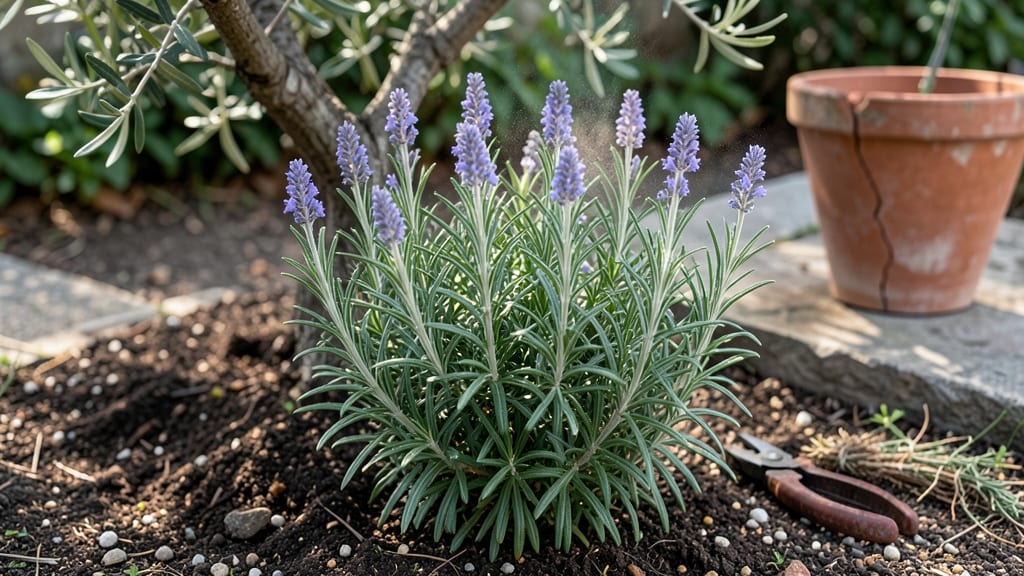
Discover the benefits of rosemary plant at home—it’s the one herb that keeps giving, transforming your garden into a fragrant, functional oasis year-round. 🌿 I’ve grown rosemary for years, and it’s the one plant that keeps giving: fresh sprigs for cooking, natural pest control, and air... that smells like a Tuscan hillside after rain.
The best part? It thrives in pots, borders, or even as a dramatic vertical feature.
Start by placing it where it gets at least 6 hours of sun daily—containers on patios or sunny windowsills work perfectly. Rosemary’s piney scent deters mosquitoes and aphids, making it a natural bodyguard for your veggie patch.
Plus, it’s drought-tolerant once established, so you’ll spend less time fussing and more time enjoying the benefits. My favorite trick? Weaving fresh sprigs into homemade wreaths for a rustic, aromatic touch.
Harvesting is effortless—just snip what you need, and the plant keeps growing. Use it to infuse olive oil, steep in tea, or scatter whole sprigs in drawers to repel moths. The more you use it, the bushier it grows, creating a lush, evergreen centerpiece that doubles as a kitchen staple.
My rosemary plants have outlasted three different apartments, and they’re still going strong.
For extra drama, try growing it in a herb spiral or cascading from a hanging basket. Pair it with lavender, thyme, or oregano for a sensory garden that’s as beautiful as it is useful.
Whether you’re a seasoned gardener or just starting, rosemary is the one plant that pays you back in flavor, fragrance, and function—no green thumb required.
📚 In This Guide
- What you need
- Instructions
- Tips and common mistakes
- Wrapping up and next steps
What you need
- ● Rosemary plant: 1 live plant (potted or seeds) – choose Rosmarinus officinalis for the best results.
- ● Containers: 2-3 pots (10-12 inches in diameter) with drainage holes – terracotta or ceramic works best.
- ● Potting soil: 3-4 bags of well-draining cactus or succulent mix (avoid heavy garden soil).
- ● Gravel or perlite: 1 small bag (for drainage layer at the bottom of pots).
- ● Watering can: 1 with a narrow spout (to avoid overwatering).
- ● Pruning shears: 1 pair (sharp and clean) for trimming.
- ● Sunlight access: A south-facing window or grow lights (6+ hours of sunlight daily).
- ● Fresh or dried rosemary sprigs: 1 bunch (for cooking, teas, or infusions).
- ● Olive oil or carrier oil: 1 small bottle (for rosemary-infused oil).
- ○ Honey or sugar: 1 small jar (optional, for rosemary honey or syrups).
- ● Food processor or mortar & pestle: 1 (for making rosemary powder or pastes).
- ● Glass jars with lids: 2-3 (for storing dried rosemary or infused oils).
- ● Humidifier (if your climate is dry).
- ● Fertilizer (balanced, low-nitrogen option like 5-5-5).
- ● Label markers (to track planting dates).
- ● Essential oil diffuser (for aromatherapy with rosemary oil).
How to maximize rosemary's benefits at home
This fragrant perennial does more than just flavor dishes—it's a medicinal powerhouse and natural air freshener.
🌿 Step 1: Identify the Right Variety for Your Needs
Choose between upright varieties like 'Tuscan Blue' for culinary use or trailing types like 'Prostratus' for ornamental pots. The key difference? Upright rosemary grows 2-3 feet tall with sturdy stems perfect for harvesting sprigs, while trailing types stay low and bushy—ideal for hanging baskets or window boxes. I always pick 'Tuscan Blue' because its needle-like leaves release more essential oils when crushed, making it better for both cooking and remedies.
Check the plant's growth habit before buying. If you want a kitchen herb garden, look for compact varieties that won't outgrow their containers. For medicinal uses, larger plants yield more leaves for teas and infusions. The stronger the aroma when you crush the leaves, the more beneficial compounds it contains.
☀️ Step 2: Position for Optimal Growth and Benefits
Place your rosemary in full sun—at least 6-8 hours daily—for maximum essential oil production. The more sunlight, the more potent the medicinal properties become. A south-facing window or outdoor spot gets the best results. If growing indoors, rotate the pot quarter-turn weekly so the plant grows evenly toward the light.
Watch for these signs: Leaves should stay deep green and fragrant. If they turn yellow or grow pale, it's getting too much shade. For outdoor plants, mulch with 2-3 inches of gravel (not organic mulch) to improve drainage—rosemary hates soggy roots. The gravel also helps regulate soil temperature, keeping roots warm for better oil production.
💧 Step 3: Water and Harvest for Maximum Benefits
Water only when the top 2 inches of soil feel dry—rosemary thrives on neglect. Overwatering dilutes the essential oils, reducing both flavor and medicinal potency. I use the "finger test" daily in summer: Stick your finger in the soil. If it's damp below the first knuckle, wait another day. In winter, reduce watering to every 3-4 weeks unless in a pot.
Harvest stems in the morning after dew has dried but before the heat of the day. Cut just above a leaf node to encourage bushier growth. For medicinal uses, harvest younger leaves—they contain higher concentrations of antioxidants. Dry the sprigs upside-down in a dark, well-ventilated area for 1-2 weeks. Store dried leaves in an airtight container away from light to preserve their benefits for up to a year.
🌱 Step 4: Use Fresh and Dried Rosemary for Home Benefits
For culinary uses, add fresh sprigs to roasts, soups, and marinades 30 minutes before serving—this preserves the most flavor. For medicinal teas, steep 1 tablespoon dried leaves in 1 cup boiling water for 5-10 minutes. Strain and drink up to 3 times daily for digestive benefits and stress relief. The stronger the aroma in your tea, the more effective it will be.
Create natural remedies by crushing fresh leaves and applying them to minor wounds (the antimicrobial properties help prevent infection) or mixing with olive oil for a soothing scalp treatment. Place pots near entryways to naturally repel mosquitoes—rosemary's scent masks other attractants. The more you use it fresh, the more the plant will reward you with vigorous new growth.
Tips & tricks for maximizing your rosemary's potential
Here's what nobody tells you about getting the most from your rosemary plant—both in the kitchen and beyond.
The Variety Matters: If you're growing rosemary for both culinary and medicinal uses, 'Tuscan Blue' is my go-to choice. Its needle-like leaves pack a stronger punch when crushed, releasing more essential oils that boost flavor and therapeutic benefits. For kitchen gardens, look for compact varieties that stay within container bounds—overcrowding leads to leggy, less potent plants. Remember, the more aromatic the leaves when crushed, the more beneficial compounds they contain.
Light is Non-Negotiable: That 6-8 hours of full sun in Step 2 isn't just a suggestion—it's essential for maximum oil production. I've seen rosemary plants in shady spots grow pale and lose their signature piney aroma. For indoor plants, a south-facing window is ideal, but supplement with a grow light if needed. Rotate your pot weekly so the plant grows evenly toward the light—uneven growth means uneven oil distribution, which affects both flavor and medicinal potency.
Harvesting Technique: When you're harvesting in Step 3, always cut just above a leaf node to encourage bushier growth. This simple technique prevents leggy stems and keeps your plant productive. For medicinal uses, focus on younger leaves—they contain higher concentrations of antioxidants. I like to harvest in the morning after dew has dried but before the heat of the day. This timing preserves the most essential oils, making your dried rosemary just as potent as fresh.
Storage Secrets: After drying your rosemary for 1-2 weeks, store it in an airtight container away from light. The darkness prevents oxidation, which preserves those beneficial compounds for up to a year. For culinary uses, keep fresh sprigs wrapped in a damp paper towel in the fridge for up to a week—they'll stay vibrant and aromatic longer than if stored dry. The key is minimizing air exposure, which degrades both flavor and medicinal properties.
Pro Tips for Benefits Of Rosemary Plant At Home
- Here's what nobody tells you about getting the most from your rosemary plant—both in the kitchen and beyond.
- The Variety Matters: If you're growing rosemary for both culinary and medicinal uses, 'Tuscan Blue' is my go-to choice.
- Light is Non-Negotiable: That 6-8 hours of full sun in Step 2 isn't just a suggestion—it's essential for maximum oil production.
Frequently asked questions
Got questions about growing and using rosemary at home? Here are some of the most common ones—plus simple, practical answers to help you make the most of this versatile herb!
Can I grow rosemary indoors, and how much sunlight does it need?
Rosemary thrives indoors with at least 6–8 hours of bright, indirect sunlight daily. A south-facing window or a grow light works best. If leaves turn yellow or drop, it’s a sign of insufficient light—consider rotating the plant or moving it closer to a window. Pro tip: A sunny windowsill or a sunny patio in summer can give your rosemary the boost it needs!
How often should I water my rosemary plant?
Rosemary is drought-tolerant, so overwatering is the biggest mistake. Water only when the top 1–2 inches of soil feel dry—about once every 1–2 weeks, depending on your climate. Too much water causes root rot, so ensure the pot has drainage holes. Troubleshooting: Wilting leaves? Check the soil moisture before watering again!
Can I use fresh rosemary from my plant in cooking, or should I dry it first?
Fresh rosemary is perfect for cooking—just chop the needles finely and use them in sauces, roasted meats, or even teas! However, drying preserves its flavor for longer. To dry: Hang bundles upside down in a dry, dark place for 2–3 weeks, then strip the leaves. Bonus: Dried rosemary keeps for up to a year in an airtight container!
What pests should I watch out for, and how do I treat them?
Rosemary is generally pest-resistant, but aphids or spider mites can occasionally appear. For mild infestations, spray with water or use a mix of 1 tsp dish soap + 1 quart water. Severe cases may need neem oil. Prevention tip: Keep your plant healthy with proper sunlight and watering to deter pests naturally!
Is rosemary safe for pets, or should I keep it away from my dog/cat?
Rosemary is non-toxic to pets in small amounts, but large ingestions can cause mild stomach upset. Keep it out of reach if your pet is a nibbler. If you notice vomiting or lethargy, contact a vet. Pet-friendly tip: Place rosemary in a hanging planter or on a high shelf to keep it safe and accessible for cooking!
Wrapping up and next steps
Incorporating a rosemary plant into your home isn’t just about aesthetics—it’s a game-changer for health, cooking, and even mental well-being! 🌿 From its antioxidant-rich leaves to its culinary versatility and natural remedies, rosemary proves to be a powerhouse.
Whether you’re brewing tea for relaxation, seasoning your favorite dishes, or harnessing its antimicrobial properties, this plant is a must-have for any household.
Ready to elevate your lifestyle? Start small—grow a pot on your windowsill, experiment with rosemary-infused recipes, or even craft DIY skincare treatments. Your future self will thank you! 😊