
Planting
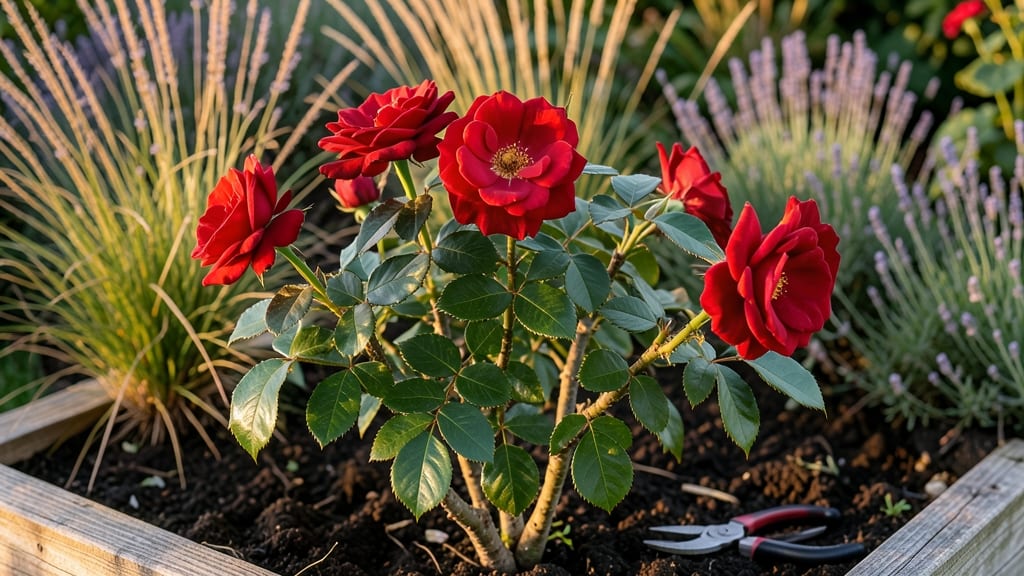
This fragrant climber could be your garden's star performer—Broadway roses (Rosa 'Broadway') burst with blooms from spring to frost, their velvety petals smelling like a summer stroll. 🌹 I planted mine three years ago after struggling with finicky roses that needed constant deadheading, and now it's the first thing neighbors notice when they walk by.
The secret to their reliability? Six hours of sun daily, well-draining soil (amend with compost), and monthly feeding during bloom season. They handle pruning like pros too—cut back by a third in early spring and trim spent blooms to encourage more flowers.
My plant now produces dozens of blooms without a single fertilizer crash. You'll love how they climb trellises or arch over fences, creating a living tapestry of pink and cream. The fragrance lingers in the evening air, turning your garden into a romantic hideaway.
Just watch for black spot—it's the only real challenge these roses present. Perfect for small spaces, patios, or cottage gardens. Here's how to keep yours thriving all season long.
📚 In This Guide
- What you need
- Instructions
- Tips and common mistakes
- Wrapping up and next steps
What you need
- ● Broadway Rose Plant: 1 healthy nursery-grown plant (6–12 inches tall) or Seeds (if starting from scratch—germination can take 2–4 weeks!)
- ● Well-draining potting mix: 1 bag (10–15 L) of peat-based or coconut coir blend (avoid heavy clay soil).
- ● Container or garden space: Container: 1 large pot (12+ inches deep) with drainage holes or Garden bed: Sunny spot with 6+ hours of light and support for climbing (trellis, fence, or arbor).
- ● Support structure: 1 trellis, obelisk, or sturdy fence (for vining varieties).
- ● Garden trowel (for transplanting).
- ● Pruning shears (sterilized with rubbing alcohol to prevent disease).
- ● Watering can (with a rose or spray nozzle).
- ● Organic fertilizer: 1 bag of balanced 10-10-10 or rose-specific food (follow label for dosage).
- ● Mulch: 2–3 inches of wood chips or straw (to retain moisture).
- ○ Optional (but helpful!): pH test kit (ideal soil pH: 6.0–6.5).
- ● Epsom salt (1 tbsp/month for magnesium boost).
- ● Slow-release fertilizer spikes (for containers).
Step-by-step instructions for growing a thriving Broadway rose
Here's how to coax those legendary fragrant blooms from your Broadway rose—no shortcuts, just proven techniques.
🌱 Step 1: Choose the Perfect Planting Location
Broadway roses demand full sun—at least 6 hours daily—but they’ll tolerate 4 hours minimum if afternoon shade is available. I always test the spot first by watching how sunlight moves across it throughout the day. The ideal location gets morning sun to warm the plant and afternoon shade to prevent afternoon wilting.
Check your site’s drainage by digging a 12-inch hole and filling it with water. If it doesn’t drain within 4-6 hours, amend the soil with 2-3 inches of compost or plant in a raised bed. These roses hate soggy feet, and poor drainage is the #1 reason they decline.
🪴 Step 2: Plant with Proper Spacing and Support
Dig a hole twice as wide as the root ball but no deeper—planting too deep smothers the graft union and causes disease. Gently loosen the roots if they’re circling, then position the plant so the graft union sits 2-3 inches above soil level. This ensures strong growth and prevents root rot.
Install a sturdy trellis, arbor, or fence immediately—Broadway roses grow 8-10 feet tall and need support from day one. I use 4-foot wooden posts with 1-inch diameter horizontal wires spaced 12 inches apart. Tie the main stem loosely to the first wire with soft plant ties, leaving room to grow.
💧 Step 3: Water Deeply and Mulch for Retention
Water immediately after planting to settle the soil, then soak the root zone to a depth of 12 inches. You’ll know it’s right when water runs out the drainage holes. After that, water 1-2 times weekly, depending on rainfall, keeping the soil 2-3 inches deep consistently moist but never soggy.
Spread 3 inches of mulch (wood chips or shredded bark) around the base, keeping it 6 inches away from the stem to prevent rot. This locks in moisture, regulates soil temperature, and suppresses weeds—critical for roses that bloom heavily. Replenish mulch annually in early spring.
☀️ Step 4: Feed and Prune for Continuous Blooms
Start fertilizing in early spring with a balanced rose food (10-10-10), applying it every 4-6 weeks until late summer. I switch to a low-nitrogen, high-phosphorus formula (5-10-5) when buds form to encourage strong blooms. Always water before and after feeding to prevent root burn.
Prune in late winter or early spring before new growth starts. Remove dead, crossing, or weak branches, then cut back remaining stems by one-third to encourage bushier growth. For climbing roses, prune to shape the plant and direct growth along the trellis. Always use clean, sharp pruners and sterilize them with rubbing alcohol between cuts.
✂️ Step 5: Deadhead and Protect for Year-Round Beauty
Deadhead spent blooms regularly to redirect energy into new flowers. I snip just above a leaf bud or outward-facing growth point, which encourages more blooms. For climbing roses, this keeps the plant tidy and prevents seed formation that drains energy.
In fall, apply a 3-inch layer of compost around the base and cover the root zone with 4-6 inches of mulch to insulate roots. If your climate drops below 20°F, wrap the base with burlap or frost cloth for extra protection. Broadway roses are hardy, but young plants benefit from this winter care to establish strong root systems.
Tips & tricks for perfect Broadway rose plant care
Real talk: Broadway roses are divas—they demand attention, but the payoff is worth it. These tips will help you avoid the most common pitfalls and keep your climber thriving for years.
Sunlight Strategy: That 6-hour minimum of sunlight isn't just a suggestion—it's non-negotiable for vibrant blooms. I've seen roses in spots that seem sunny but get blocked by neighboring plants or structures. Test your location by observing how sunlight moves across it throughout the day. Morning sun is your friend (it warms the plant gently), while afternoon shade prevents wilting during peak heat. If you're stuck with less than 4 hours, consider a large reflective surface nearby to maximize light exposure.
Drainage Test: The 4-6 hour drainage check is your best friend for preventing root rot. I learned this the hard way when my first rose plant's roots suffocated in compacted soil. Dig that 12-inch hole, fill it with water, and wait—don't guess. If water lingers beyond 6 hours, you're playing with fire. For quick fixes, mix in sand or perlite to improve drainage, or go straight to a raised bed. Your roses will thank you with better health and more blooms.
Support System: Don't wait until your Broadway rose is already reaching for the sky to install support. Those 4-foot posts with 12-inch wire spacing create the perfect framework for this vigorous climber. I recommend using soft plant ties (not wire or zip ties) to prevent stem damage as the plant grows. Pro tip: Install your trellis at a slight angle if space is tight—it creates a natural cascade effect and makes pruning easier later.
Seasonal Transition: The switch from 10-10-10 to 5-10-5 fertilizer when buds form is crucial for continuous blooming. I mark my calendar for this change—usually in early summer when I notice buds starting to swell. The key is consistency: apply every 4-6 weeks without fail. And always water before and after feeding to prevent root burn, which can happen faster than you think with concentrated fertilizers.
Pro Tips for Broadway Rose Plant
- Real talk: Broadway roses are divas—they demand attention, but the payoff is worth it. These tips will help you avoid...
- Sunlight Strategy: That 6-hour minimum of sunlight isn't just a suggestion—it's non-negotiable for vibrant blooms. I'...
- Drainage Test: The 4-6 hour drainage check is your best friend for preventing root rot. I learned this the hard way w...
Frequently asked questions
Got questions about keeping your Broadway Rose thriving? You’re not alone! Here are answers to the most common queries—from pruning to pests and everything in between.
How often should I prune my Broadway Rose for best blooms?
Prune your Rosa ‘Broadway’ once a year in late winter or early spring (before new growth starts). Remove dead, crossing, or weak branches to improve airflow and encourage vibrant blooms. Lightly trim again after flowering to maintain shape—just avoid heavy cuts in fall, as it can stimulate tender new growth vulnerable to frost. Pro tip: Sterilize pruners with rubbing alcohol to prevent disease!
Why aren’t my Broadway Roses blooming like they should?
Lack of blooms often stems from over-fertilizing with high nitrogen (which fuels leaves, not flowers) or poor sunlight. Ensure your plant gets 6+ hours of direct sun daily and use a balanced bloom booster fertilizer (like 10-10-10) in spring and summer. Deadheading spent blooms also encourages more flowers! Check: Yellow leaves? It might need more water or better drainage.
Are Broadway Roses fragrant? How do I enhance their scent?
Yes! Broadway Roses emit a sweet, rose-like fragrance—especially in morning sunlight. To boost scent, plant near a seating area or trellis where breezes carry the aroma. Avoid heavy pruning in fall (it can reduce next year’s blooms and scent). For extra fragrance, water in the evening (cooler temps intensify natural oils). Fun fact: Deadheading spent blooms redirects energy to new, fragrant flowers!
What’s the best way to protect Broadway Roses from pests like aphids or black spot?
Prevention is key! Spray foliage weekly with neem oil or insecticidal soap during growing season to deter aphids. For black spot (a fungal disease), remove infected leaves immediately and apply a copper fungicide at the first sign. Improve airflow by pruning densely packed branches, and water at the base (not overhead) to keep leaves dry. Warning: Avoid synthetic pesticides—they can harm pollinators!
Can I grow Broadway Roses in containers? What’s the ideal pot size?
Broadway Roses thrive in containers if given enough space. Choose a pot at least 18–24 inches wide and deep with drainage holes. Use a well-draining potting mix (like 60% soil, 30% compost, 10% perlite) and fertilize monthly during growing season. Containers dry out faster, so water deeply 2–3 times weekly in summer. Tip: Move pots to a sunny spot and bring them indoors if frost threatens!
Wrapping up and next steps
Growing a Broadway Rose plant is a rewarding journey that brings fragrant blooms and lush greenery to your space year-round! 🌸 With the right care—like well-draining soil, bright (but indirect) light, and consistent watering—you’ll enjoy its stunning flowers and sweet scent for seasons to come.
Whether you’re a beginner or a seasoned gardener, this climber is a fantastic addition to trellises, fences, or containers.
Ready to dive in? Start by gathering your supplies, choosing the perfect spot, and following the steps to plant and nurture your Broadway Rose. Your fragrant oasis awaits—happy gardening! 🌿