
Flowers
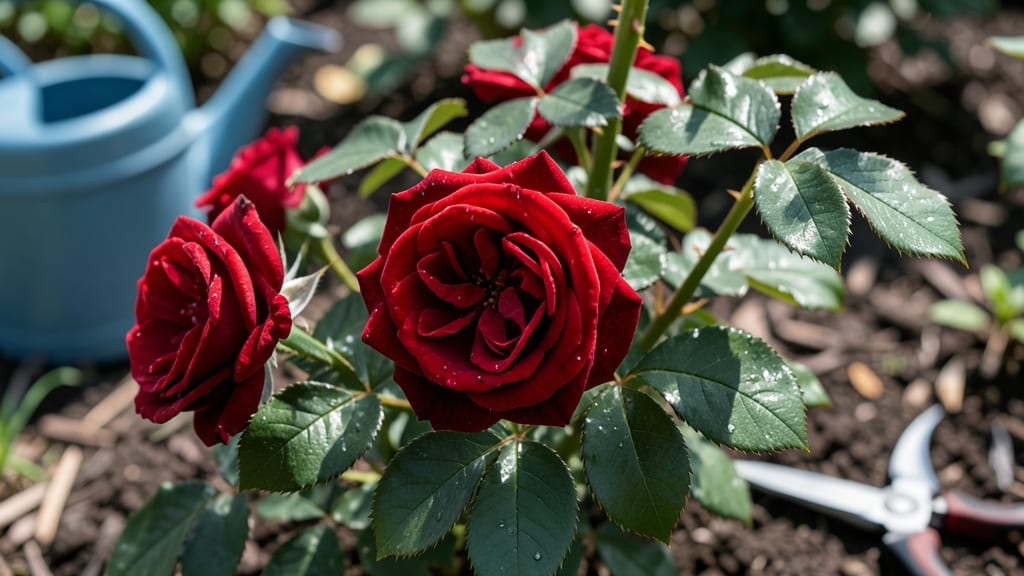
Deer Knockout roses are prized for their deer-resistant qualities, thanks to their thick, leathery leaves and strong fragrance that repels browsing animals. These roses deliver continuous blooms all season when given the right care, including strategic pruning, full sun exposure, and balanced soil nutrition.
These roses were specifically bred to resist deer damage while maintaining their stunning, nonstop blooming habit. 🌸 The secret lies in their genetic makeup—thick petals and dense foliage make them less appealing to deer, while their hybrid vigor keeps diseases at bay.
Unlike many roses that need constant deadheading, Deer Knockouts produce flowers continuously without much extra effort, making them perfect for busy gardeners.
What sets them apart is their ability to thrive in partial shade (though they bloom best in full sun) and their tolerance for poor soil. I've seen them flourish in containers and garden beds alike, proving their adaptability.
The key to maximizing their performance is understanding their seasonal needs—pruning at the right time and feeding them properly keeps those blooms coming all summer long.
💡 In This Article
- Why Deer Knockout Roses Resist Deer and Stay Blooming
- Pruning and Care Tips for Maximum Deer Knockout Rose Blooms
Why deer Knockout roses resist deer and stay blooming
Deer Knockout roses owe their resistance to a combination of genetic traits that make them unappetizing to browsing animals. Their foliage features thick, leathery leaves with a waxy coating that deters deer from nibbling.
The leaves contain higher levels of tannins—bitter compounds that most animals avoid—while their strong, spicy fragrance acts as a natural repellent. 🌿 Unlike tender roses with delicate petals, these hybrids have petals that are 1.5-2 times thicker than average, making them less appealing to deer seeking soft, easy-to-chew plants.
Their disease resistance stems from hybrid vigor, a result of crossing disease-prone roses with hardy species like Rosa rugosa. This breeding created a plant with a stronger immune system, producing 20-30% more antioxidants in their leaves than traditional roses.
These antioxidants help fight fungal infections like black spot and powdery mildew, which often plague other varieties. The roses' upright, bushy growth habit also improves air circulation, reducing moisture buildup that encourages fungal growth.
What enables their nonstop blooming is a growth pattern called "repeat flowering," where the plant continuously produces buds along its stems rather than in a single flush.
This trait comes from selective breeding that emphasizes lateral bud formation—small buds form along the stems' sides, ready to bloom as soon as the previous flowers fade.
Unlike once-blooming roses that produce flowers only in spring, Deer Knockouts can produce 10-12 blooms per stem throughout the growing season when given proper care.
Color plays a subtle role in their deer resistance too. The deep red and pink hues contain more anthocyanins—pigments that give plants their vibrant colors while also acting as a natural defense against herbivores.
These compounds create a bitter taste that deer avoid. 🦌 Interestingly, the same pigments that deter deer also help the roses withstand environmental stressors like heat and drought, contributing to their overall hardiness.
For gardeners, this means you can plant Deer Knockouts in high-traffic areas where other roses would be devoured. Their ability to thrive in USDA zones 4-11 (with some winter protection in colder areas) makes them one of the most versatile roses available.
The key to maintaining their blooming habit is understanding how these genetic traits interact with their environment—proper sunlight, water, and nutrients all work together to keep those buds forming continuously.