
Pruning
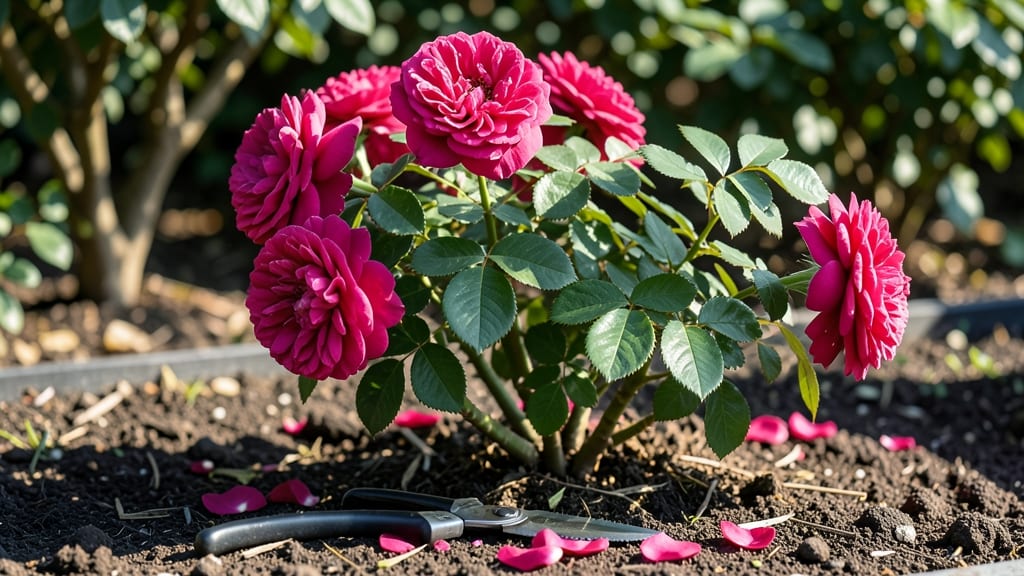
Pruning Double Knockout roses in late winter isn’t just about shaping—it’s your secret weapon for nonstop blooms all season. 🌹 I’ve pruned these tough hybrids for years, and the difference between a bush that looks like a tangle and one that bursts with color starts with three simple cuts.
The key? Timing, technique, and knowing where to stop before you strip the plant bare.
You’ll need sharp bypass pruners, a disinfectant spray (to prevent disease spread), and a bucket for trimmings—plus a clear day when temps are above 40°F. The goal is to remove dead, crossing, or weak stems while opening up the center for airflow.
Double Knockouts are forgiving, but even they’ll protest if you cut too aggressively. Aim to reduce last year’s growth by one-third to keep energy flowing upward.
After pruning, you’ll see new red shoots within 10-14 days, each one a promise of future blooms. The plant will reward you with disease-resistant foliage, better airflow (fewer fungal issues), and longer stems for cutting.
Just avoid fertilizing right away—the fresh cuts need time to heal before feeding. A light mulch around the base helps retain moisture while the roots recover.
This method works for new and established bushes, whether you’re tackling a single plant or a whole hedge. The late-winter revival isn’t just about aesthetics—it’s about setting your roses up for six months of effortless color.
Ready to transform tangled limbs into a showstopper? Let’s get those shears out.
📚 In This Guide
- What you need
- Instructions
- Tips and common mistakes
- Wrapping up and next steps
What you need
- ● Pruning shears – Bypass pruners (4-6 inch blades) for clean cuts on smaller stems.
- ● Loppers – Long-handled (24-30 inch) for thicker branches (1-2 inch diameter).
- ○ Pruning saw – Fine-tooth for stubborn, woody stems (optional but helpful for thick growth).
- ● Disinfectant – Rubbing alcohol (70%+) or bleach solution (1:9 bleach-to-water) to sterilize tools between cuts.
- ● Garden gloves – Heavy-duty, cut-resistant to protect hands from thorns and debris.
- ○ Sharpie or garden marker – For labeling cuts if needed (optional but useful for tracking growth).
- ● Trash bag or bucket – To collect pruned branches and debris.
- ● Hose or bucket of water – For rinsing tools and cleaning up sap.
- ● Hand pruners with ergonomic grips – Reduces hand fatigue during long pruning sessions.
- ● Knee pads or stool – For comfort if you’re working on the ground or bending frequently.
- ● Rag or paper towels – For wiping down tools and hands.
- ○ Pruning sealant – Optional for larger cuts (like Tree Top), though Double Knockouts typically heal well without it.
- ● Safety glasses – Protects eyes from flying debris (especially useful in windy conditions).
- ● Choose a dry, sunny day (avoid pruning if rain is forecasted within 24 hours).
- ● Work when the rose is dormant (late winter, before buds swell).
- ● Have a clear plan—sketch or note key cuts if you’re unsure about structure.
- ● Check local frost warnings—prune after the last expected frost to avoid damaging new growth.
Instructions for pruning Double Knockout roses
Here's the precise method I use every late winter to revive these roses and guarantee a season of lush, healthy blooms.
✂️ Step 1: Gather Tools and Assess the Plant
Start by sharpening your pruning shears and disinfecting them with rubbing alcohol—clean tools prevent disease transmission between cuts. I always wear gloves to protect against thorns and to handle the canes more comfortably. Examine each cane carefully, noting where old wood meets new growth and identifying any dead, diseased, or crossing branches.
Look for canes that are hollow, shriveled, or lack buds. These should be removed entirely at their base. Double Knockout roses thrive when they have good airflow, so any branches rubbing against each other or growing inward need to go. Mark these with a small piece of twine or a flag if you're unsure—you can always revisit your decisions after a closer inspection.
✂️ Step 2: Make Strategic Cuts for Shape and Health
Make your first cut just above an outward-facing bud, about ¼ inch above it at a 45-degree angle. This angle helps water run off the cut and prevents it from sitting in the wound. Aim for an open-center shape—this allows sunlight and air to penetrate the plant's core, reducing humidity and fungal risks. I like to step back every few cuts to visualize the plant's form; it's easier to see gaps and overcrowded areas from a distance.
Remove any canes that are thinner than a pencil or show signs of disease. Double Knockout roses are vigorous, so you'll likely end up with 30-50% fewer canes than you started with. Don't worry about being too aggressive—these roses respond well to hard pruning. If a cane has multiple strong buds, leave it; if it's weak, cut it back to the ground. You'll see new, sturdy growth emerging from the base in spring.
☀️ Step 3: Thin and Prune for Airflow and Light
Focus on thinning out the center of the plant to improve airflow. Double Knockout roses can get dense, and crowded centers trap moisture, inviting fungal diseases like black spot. Remove any branches that grow straight inward or cross over others. Cut these back to a strong outward-facing bud. You'll notice the plant opens up immediately, revealing a more airy structure.
Next, prune any branches that are longer than 18-24 inches—these tend to flop over and can break under the weight of blooms. Shorten them by cutting just above a bud that faces outward. This encourages bushier growth and prevents the plant from becoming top-heavy. After thinning, the plant should look balanced, with no single branch dominating the structure.
🌿 Step 4: Clean Up and Apply Post-Pruning Care
Once you've finished pruning, gather all the cuttings and dispose of them in the trash—not the compost bin. Diseased or infested branches can spread pathogens to other plants. Wipe down your tools again with rubbing alcohol to ensure they're clean. Now's the time to apply a balanced rose fertilizer (like 10-10-10) around the base of the plant, about 6 inches away from the crown. This gives the roots a nutrient boost as new growth begins.
Water the plant deeply to help it recover from the stress of pruning. The soil should be moist to a depth of 6-8 inches. Avoid overhead watering, as wet foliage can encourage fungal growth. Instead, use a soaker hose or water at the base. Mulch the area around the plant with 2-3 inches of organic mulch, like shredded bark or compost, to retain moisture and regulate soil temperature.
⏰ Step 5: Monitor and Encourage New Growth
Over the next 2-3 weeks, keep an eye out for new buds forming at the base of the plant. These are your signal that the pruning was successful. Double Knockout roses are resilient, but they need consistent care to bounce back strong. If you notice any yellowing leaves or signs of stress, adjust your watering or check for pests. A light application of neem oil can help deter early-season pests like aphids.
By late spring, you should see vigorous new growth emerging from the base and along the remaining canes. This is the plant's way of telling you it's ready for the season ahead. Continue to monitor for any signs of disease or pests, and be prepared to prune lightly throughout the growing season to encourage more blooms. With this method, your Double Knockout roses will reward you with nonstop color** from early summer through fall.
Tips & tricks for pruning Double Knockout roses
These game-changing insights will help you transform your roses into a blooming powerhouse—without the guesswork.
Precision Cutting Technique: When making your 45-degree cuts in Step 2, visualize a smiley face on the bud below—this helps you angle the cut perfectly above the bud while keeping the wound sloped for water runoff. I've found that using a sharp pair of pruning shears makes all the difference; dull blades crush stems and create jagged wounds that heal poorly. The ¼-inch clearance above the bud is crucial—any closer risks damaging the emerging growth.
Airflow Architecture: Step 3's focus on thinning the center can't be overstated. Double Knockout roses need that open vase shape to prevent fungal diseases like black spot. I often step back every 5-6 cuts to check my progress—you should be able to see light through the center. If you're unsure which branches to remove, imagine sunlight streaming through the plant; any branch blocking that light needs to go. This architectural approach transforms dense bushes into airy, healthy structures.
Post-Pruning Recovery: After completing Step 4, the 6-8 inch deep watering is where many gardeners fall short. Use a soil probe or long screwdriver to check moisture depth—if it comes out dry, water again. The mulch layer should be 2-3 inches thick, but don't pile it against the stem. This creates the perfect environment for root recovery while preventing moisture-related diseases. I've seen roses bounce back dramatically after proper post-pruning care, even when the initial cuts were aggressive.
Seasonal Timing: Late winter is ideal because the plant is still dormant, making it easier to identify dead wood. If you're in a warmer climate, wait until just before buds begin to swell—this prevents stressing the plant too early. I always prune on a dry day when temperatures are above freezing but below 60°F for optimal healing conditions. The 2-3 week monitoring period in Step 5 is your quality control phase—new buds at the base confirm your pruning was successful.
Pro Tips for Pruning Double Knockout Roses
- These game-changing insights will help you transform your roses into a blooming powerhouse—without the guesswork.
- Precision Cutting Technique: When making your 45-degree cuts in Step 2, visualize a smiley face on the bud below—this helps you angle the cut perfectly above the bud while keeping the wound sloped for water runoff.
- Airflow Architecture: Step 3's focus on thinning the center can't be overstated.
Frequently asked questions
Got questions about pruning your Double Knockout roses? You’re not alone! Here are answers to the most common concerns—from timing to tools—to help you revive your roses for another stunning season.
When is the best time to prune Double Knockout roses in late winter?
Prune your Double Knockout roses in late winter (just before new growth starts, usually February or March in most climates). This timing encourages vigorous spring blooms. Avoid pruning too early—cold snaps can stress fresh cuts. If you missed the window, early spring is still ideal, but avoid heavy pruning after buds swell.
How much should I cut back Double Knockout roses?
These hardy roses thrive with a drastic cutback—remove 1/3 to 1/2 of the plant’s height, targeting dead, weak, or crossing branches first. Aim to open the center for airflow. Don’t overthink it: Double Knockouts rebound well! For a 4-foot bush, cut back to about 18–24 inches tall.
What if my Double Knockout roses look overgrown or leggy after pruning?
Leggy growth is normal after aggressive pruning! Focus on new, outward-facing buds when trimming. Use a balanced fertilizer (high in phosphorus) post-prune to encourage bushier growth. Water deeply but avoid wetting foliage to prevent disease. Patience pays off—your roses will bounce back with lush, compact blooms by summer.
Can I prune Double Knockout roses in fall instead of late winter?
Fall pruning is not recommended for these roses. Pruning too early can stimulate tender new growth that may freeze back in winter. If you must prune in fall, do a light cleanup (removing only dead/diseased wood) and save heavy pruning for late winter. Always wait until after the first hard frost for safety.
What should I do if my roses bleed sap after pruning?
Sap bleeding (a watery ooze) is normal and harmless—it’s the plant’s way of sealing cuts. To minimize it, prune on a dry, cool day (not in warm, sunny weather). If sap bothers you, apply pruning sealant (optional) or just let it dry. Focus on clean cuts (45-degree angles) to reduce sap flow. Your roses will recover in days!
Wrapping up and next steps
Pruning your Double Knockout roses in late winter isn’t just about tidying up—it’s your secret to vibrant, long-lasting blooms all season! With the right tools, timing, and technique, you’ll unlock their full potential, ensuring healthier growth and fewer pests.
Remember, confidence comes with practice, so don’t hesitate to roll up your sleeves and give it a try.
Ready to transform your garden? Start by marking your calendar for next year’s late-winter pruning session—your roses (and future self) will thank you! 🌸✂️