
Orchid Care
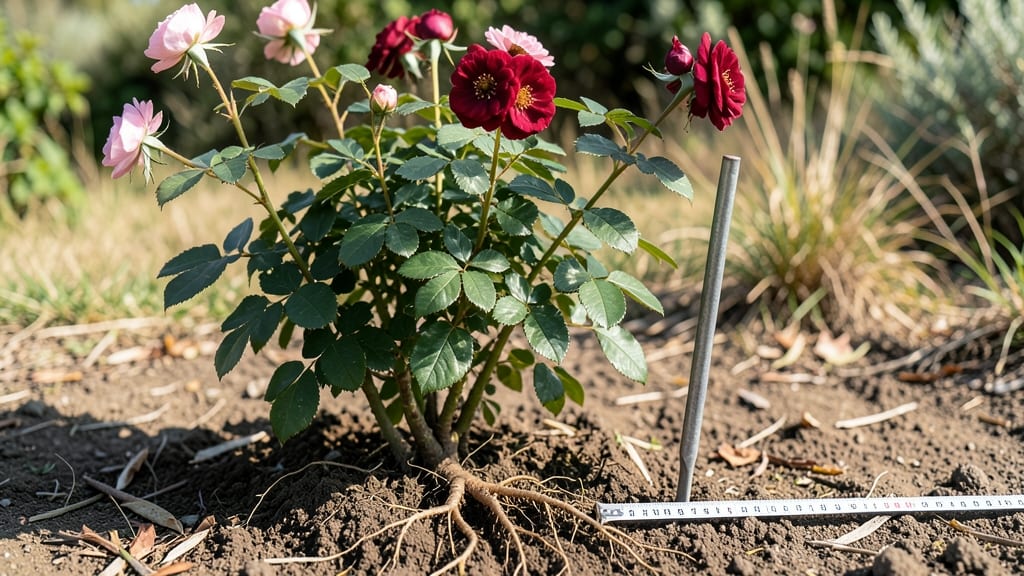
Do roses have deep roots, though the truth is they spread just 12–18 inches below soil—what’s surprising is how far they stretch sideways instead.
If you’ve ever wondered why roses seem to thrive despite their sprawling canes—or why some gardeners swear by deep planting—you’re not alone. The truth about rose root depth could transform how you plant, prune, and even save struggling roses.
Most roses grow shallow lateral roots that spread widely, while a few varieties—like climbers—send roots deeper for stability. This means soil depth and drainage matter more than you might think, especially in Zone 6a where spring planting is critical.
Here’s what you need to know about root depth: how to plant them right, avoid common mistakes, and keep your roses blooming strong all season.
How deep do rose roots actually grow?
When you picture a rose's roots, you might imagine a deep, sprawling network stretching far underground—like the plant's aboveground beauty mirrored below. But the reality is more nuanced.
Most rose roots grow 12 to 18 inches deep, with the majority concentrated in the top 6 to 12 inches of soil. This shallow-to-moderate depth is why roses thrive in well-draining soil and why gardeners often focus on topsoil health.
The misconception that roses need "deep" roots stems from their need for stability, not actual depth.
What truly sets rose roots apart is their lateral spread. While the primary root extends downward, lateral roots spread horizontally, often reaching 2 to 3 feet outward from the plant.
This wide network explains why roses can recover from pruning or damage—they rely on a broad, shallow system rather than a single deep taproot. Understanding this structure helps you avoid over-planting roses too closely together.
Soil type plays a critical role in how deep rose roots grow. In sandy or loose soil, roots may spread wider but stay shallower, while clay or compacted soil can restrict lateral growth, forcing roots deeper.
This is why amending your soil with organic matter—like compost or aged manure—can encourage healthier, more extensive root systems. The goal isn’t to force roots deeper but to create an environment where they can thrive naturally.
Here’s a quick breakdown of what you need to know about rose root depth, lateral spread, and soil interactions:
| Root Feature | Depth/Spread | Soil Impact | Gardening Tip |
|---|---|---|---|
| Primary Root Depth | 12–18 inches | Loose soil = shallower; compact soil = deeper | Aim for 60% organic matter in top 12 inches |
| Lateral Root Spread | 2–3 feet outward | Wide spread in loose soil; restricted in clay | Space roses 3–4 feet apart for optimal growth |
| Root Zone Activity | Top 6–12 inches (70% of roots) | Moisture and nutrients critical here | Mulch 2–3 inches deep to retain moisture |
| Deepest Root Extent | Up to 36 inches (rare) | Only in poor soil conditions | Avoid planting in waterlogged areas |
The 70% rule is a gardener’s golden rule for roses: 70% of a rose’s roots live in the top 12 inches of soil. This means your focus should be on enriching the topsoil rather than digging deep.
For example, when planting, dig a hole just deep enough to accommodate the root ball without burying the graft union (usually 2–3 inches below soil level). Over-deep planting can suffocate the roots, while shallow planting leaves them exposed and vulnerable.
Another common misconception is that climbing roses have deeper roots than shrub roses. While climbers may have slightly deeper primary roots to anchor their height, their lateral spread is just as critical.
The key difference lies in their canes’ weight, which requires a stable root base—but not necessarily deeper soil. In fact, some climbers thrive in containers with well-draining soil, proving that depth isn’t the only factor.
Soil aeration is just as important as depth. Compacted soil forces roots to grow in a shallow, dense pattern, which can lead to poor nutrient uptake and increased susceptibility to disease.
To combat this, incorporate perlite or vermiculite into heavy clay soils or use a soil aerator in established garden beds. This mimics the loose, airy conditions roses prefer, encouraging roots to spread naturally rather than struggle downward.
If you’re planting roses in containers or raised beds, the depth of the root zone becomes even more critical. A minimum of 12–18 inches of soil depth is ideal, but wider containers allow for better lateral root growth.
For example, a 12-inch-deep pot may work for dwarf roses, but a 24-inch-deep container is better for standard varieties. Always include drainage holes to prevent waterlogging, which can suffocate roots at any depth.
One final tip: Observe your roses’ growth patterns. If you notice yellowing leaves or stunted growth, it could signal shallow roots struggling for nutrients. In this case, amend the soil with compost or a balanced fertilizer to encourage deeper root penetration.
Conversely, if roses wilt quickly during dry spells, their roots may be too shallow—mulching can help retain moisture and protect the root zone.
Understanding rose root depth isn’t just about digging deeper—it’s about creating the right conditions for roots to explore naturally.
Whether you’re planting a new rose bush or troubleshooting an established one, focusing on soil health, aeration, and proper spacing will give your roses the strong, resilient root system they need to flourish. 🌹
Why planting roses too deep (or too shallow) weakens them
Roses may look delicate with their showy blooms, but their root systems are surprisingly adaptable. Most roses develop primary roots that extend 12-18 inches deep, while lateral roots spread horizontally to anchor the plant.
When you bury the graft union too deep—or leave it exposed—you disrupt this natural balance, stunting growth or inviting disease.
Climbing roses, for example, need extra stability from deeper roots to support their heavy canes. Shrub roses, however, often thrive with slightly shallower planting to encourage vigorous top growth. The key lies in matching soil depth to the rose’s natural growth habits and your local climate conditions. 🌹
⚠️ callout warning
⚠️ Danger Zone: Planting Depth Mistakes
Planting roses too deep suffocates roots, cutting off oxygen and nutrients. Too shallow? Roots dry out, leaving plants vulnerable to wind damage and pests. Climbers need 18-24 inches of depth, while shrubs thrive at 12-15 inches. Always check the graft union—it should sit 2-3 inches above soil.
💡 Pro Tip: Use a spade to create a mound before planting—this ensures proper drainage and root expansion.
For climbing roses, deeper planting (up to 24 inches) helps stabilize their heavy canes during storms. Dig a hole twice as wide as the root ball and loosen the sides to encourage lateral root growth.
For shrub roses, a shallower hole (12-15 inches) reduces stress on the graft union while allowing roots to spread outward for better nutrient uptake.
If your roses show signs of yellowing leaves or stunted growth, check the soil depth. Over-planted roses may need soil removal around the base, while under-planted ones benefit from gentle mounding with compost.
Mulch with 2-3 inches of organic matter to retain moisture and regulate soil temperature—critical for root health.
Seasonal adjustments matter too. In spring, focus on watering deeply to encourage root expansion. By fall, reduce watering to harden roots for winter. Avoid heavy clay soils, which compact easily and restrict root growth—amend with compost or sand if needed. 🌱
Remember: roses don’t need deep roots to thrive, but they do need room to breathe. By aligning planting depth with the rose’s variety and climate, you’ll set the stage for healthier blooms and fewer struggles.
Start with the right depth, and your roses will reward you with years of vibrant growth.