
Pruning
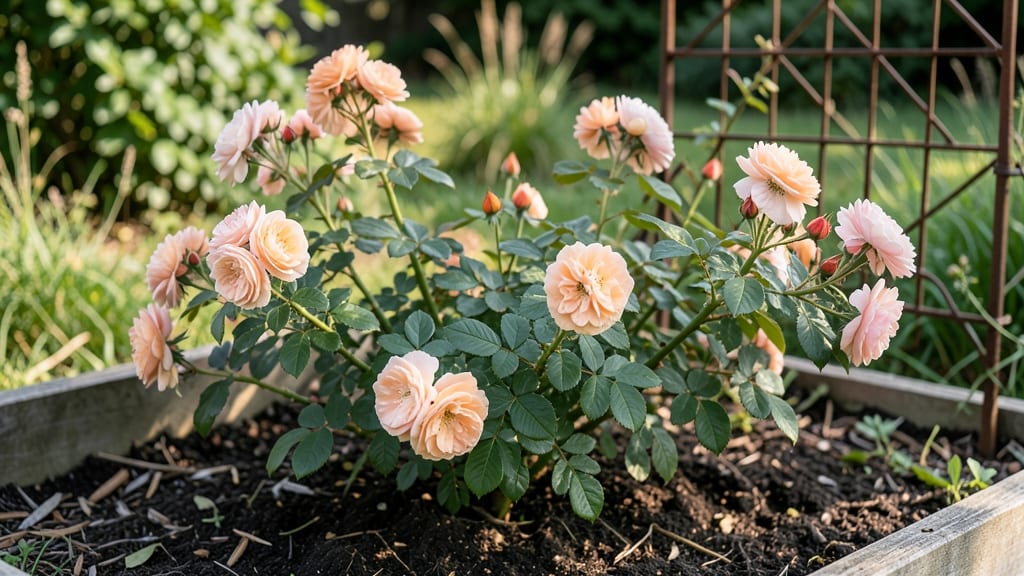
My fruit rose apple tree (Syzygium malaccense) looks like a tropical dream—glossy leaves, fragrant blossoms, and sweet fruit—but it’s the pruning that keeps it producing like this every season. 🌺 I’ve learned the hard way that skipping this step means fewer blooms and smaller fruit, even if the tree looks healthy.
The key is timing, technique, and knowing which branches to keep (and which to cut). This isn’t about hacking branches willy-nilly—it’s about shaping the tree to encourage year-round blooms while keeping the fruit accessible. You’ll need sharp pruners, a clean workspace, and about 30 minutes on a calm day.
The goal? A tree that’s open enough for sunlight to reach all the branches but structured enough to support heavy fruit. By the end, you’ll have a tree that flowers continuously and bears fruit so sweet it’s worth the effort.
The first harvest after pruning is always the best—juicy, fragrant, and impossible to resist. Plus, the ornamental value? Unmatched. Neighbors will ask how you got yours to look so good.
Works for both container and in-ground planting, and the same principles apply whether you’re in Zone 10-12 or a warm microclimate elsewhere. Let’s get those shears ready!
📚 In This Guide
- What you need
- Instructions
- Tips and common mistakes
- Wrapping up and next steps
What you need
- ● Pruning shears: Sharp, bypass-style shears (for clean cuts on small branches). Size: 6–8 inches.
- ● Loppers: Bypass-type loppers (for thicker branches, up to 2 inches in diameter). Size: 18–24 inches.
- ● Pruning saw: Hand saw with a fine-tooth blade (for branches over 2 inches thick).
- ● Disinfectant: 70% isopropyl alcohol or rubbing alcohol (to sterilize tools between cuts).
- ● Gloves: Heavy-duty, cut-resistant gloves (protect hands from thorns and sap).
- ○ Pruning sealant: Optional but helpful (e.g., tree wound dressing for large cuts).
- ● Extension pole: Adjustable (6–12 feet) for high branches.
- ● Bucket or bag: For collecting pruned branches (use a heavy-duty trash bag or 5-gallon bucket).
- ● Weather check: Prune on a dry, overcast day (avoid wet or windy conditions).
- ● Safety glasses: Protect eyes from debris.
- ● Long sleeves/pants: Lightweight, breathable fabric (to shield from thorns and sun).
- ● Ladder (if needed): Sturdy, non-slip (for trees over 8 feet tall).
- ● Water & snacks: Stay hydrated—pruning can take a while! 💧
Step-by-Step pruning guide for year-round fruit rose apple trees
Here’s my foolproof method for keeping your fruit rose apple trees blooming and bearing fruit continuously.
✂️ Step 1: Prune for Airflow and Light in Late Winter
Start your pruning in late winter (just before buds swell) to remove dead, diseased, or crossing branches. I always begin by inspecting the tree for any limbs that rub against each other—these create wounds that attract pests. Use clean, sharp pruners to make cuts at a 45-degree angle just outside the branch collar (the swollen area where the branch meets the trunk).
Remove any branches growing inward or downward—they block sunlight and airflow, which weakens fruit production. Aim to open up the center of the tree so light reaches all branches. If you see suckers (shoots growing from the base or graft union), cut them off immediately—they drain energy from the main tree.
☀️ Step 2: Encourage Blooms with Selective Summer Pruning
After the first flush of flowers fades, lightly prune again in early summer to promote a second bloom cycle. Focus on thinning out excess fruit clusters—leave only 3-4 apples per cluster to prevent overburdening the branches. Overloaded branches can snap under the weight, and the remaining fruit will be small and poor-quality.
Trim back any overly vigorous shoots growing from the main branches. These compete with fruit production, so I cut them back by one-third to redirect energy toward flowering and fruiting. Watch for water sprouts (fast-growing vertical shoots)—these are useless for fruit and should be removed entirely.
⏰ Step 3: Light Pruning After Harvest for Fall Preparation
Once the fruit is harvested, do a final light pruning in early fall to clean up any remaining deadwood and shape the tree. Remove any weak, spindly growth that developed after summer pruning—these branches rarely produce quality blooms. Cut back any overlong branches that grew too vigorously during the season to maintain a balanced shape.
This is also the time to thin out dense foliage on the outer edges of the tree. Too many leaves can shade inner branches, preventing them from receiving enough sunlight to flower. A well-pruned tree in fall will enter winter stronger and ready to burst into blooms early in spring.
🌱 Step 4: Winter Pruning to Shape and Renew Growth
In mid-winter (when the tree is fully dormant), do a structural pruning to reshape the tree and encourage new growth. Remove any old, unproductive wood—branches over 5 years old often produce fewer blooms. Cut them back to younger, more vigorous growth just above an outward-facing bud.
If your tree has large, overgrown branches, thin them out to improve airflow and reduce disease risk. Never remove more than one-third of the tree’s canopy in a single pruning session—this stresses the tree and can lead to poor flowering. After pruning, apply a wound sealant (optional but helpful in humid climates) to larger cuts to prevent rot.
Tips & tricks for pruning fruit rose apple trees
Took me years of trial and error to perfect this system—here's how to avoid the mistakes I made.
Timing is Everything: Late winter pruning (just before buds swell) is non-negotiable for fruit rose apple trees. This timing allows the tree to heal before spring growth begins. I've seen trees with poor bloom production when pruned too early—they simply don't have enough time to recover before flowering season. In warmer climates, you might need to adjust to very early spring, but never prune when buds are already swelling.
Branch Selection Strategy: When thinning branches in Step 2, focus on creating an open center that resembles an inverted cone. This shape ensures sunlight reaches all fruit clusters, which is critical for the fruit rose's year-round blooming pattern. I always prioritize removing branches that grow inward or downward first—they're the biggest culprits for blocking light and airflow. Remember, you're not just pruning for aesthetics; you're creating an optimal growing environment for continuous fruit production.
Pruning Tools Matter: Invest in quality pruners with bypass blades—they make cleaner cuts that heal faster. I've tried anvil pruners in the past, and while they work, they crush the branch rather than cleanly cutting it, which creates larger wounds. For thicker branches, use loppers or a pruning saw, but always make cuts just outside the branch collar. This simple technique prevents the tree from developing weak spots where diseases can enter.
Seasonal Adjustments: In Step 3, when doing your fall pruning, pay special attention to the tree's overall health. If you notice any signs of stress—yellowing leaves, sparse foliage, or weak growth—scale back your pruning. The goal is to shape the tree without overstressing it. I've found that fruit rose apple trees respond best to gradual pruning adjustments rather than aggressive shaping, especially in their first few years after planting.
Pro Tips for Fruit Rose Apple
- Took me years of trial and error to perfect this system—here's how to avoid the mistakes I made.
- Timing is Everything: Late winter pruning (just before buds swell) is non-negotiable for fruit rose apple trees.
- Branch Selection Strategy: When thinning branches in Step 2, focus on creating an open center that resembles an inverted cone.
Frequently asked questions
about pruning fruit rose apple trees to keep them blooming and bearing fruit year-round.When is the best time to prune a fruit rose apple tree?
The ideal time is late winter or early spring (just before new growth starts) to avoid damaging blooms. For light shaping, prune after fruiting in fall—just avoid heavy cuts then. Never prune during frost or extreme heat.
How much can I prune without harming the tree?
Remove no more than 25-30% of the total canopy in one session. Focus on dead, diseased, or crossing branches first. Over-pruning stresses the tree, reducing blooms and fruit. Thin out crowded branches to improve airflow and sunlight.
Why aren’t my fruit rose apples producing fruit after pruning?
If blooms appear but drop off or fruit doesn’t set, check these:
- Pollination: Hand-pollinate with a soft brush if bees are scarce.
- Nutrients: Fertilize with citrus-specific or fruit-tree formula in early spring.
- Water stress: Deep water 1-2x weekly during dry spells.
Can I grow fruit rose apples in containers? How does pruning differ?
Yes! Use a 15+ gallon pot with drainage. Prune more aggressively in containers (up to 30%) to control size and encourage fruiting. Trim roots if they circle the pot, and repot every 2-3 years for fresh soil.
What should I do if my tree gets fungal disease after pruning?
Act fast! Clean tools with rubbing alcohol and remove infected branches. Apply copper fungicide or neem oil as a preventive spray. Avoid wetting foliage when watering, and improve airflow with strategic pruning.
Wrapping up and next steps
Mastering the art of pruning your fruit rose apple tree ensures a bounty of year-round blooms and delicious fruit—what a rewarding feeling! 🌸 With the right tools, timing, and techniques, you’re well on your way to keeping your tree thriving. Don’t stop here! Grab your pruners, schedule a quick check-in with your tree every few months, and watch it transform into a stunning, productive centerpiece for your garden.
💡 Pro Tip: Keep a pruning journal to track growth and blooms—it’s a game-changer for long-term success!