
Plants
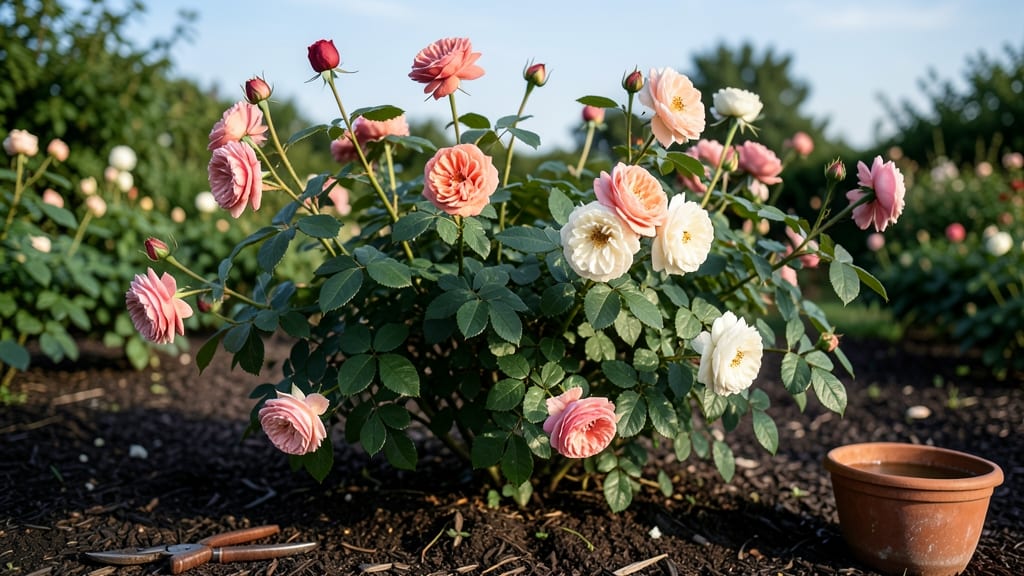
Taking care of a rose tree means three seasons of pruning—not just spring—plus the right water, soil, and food to keep those blooms coming. 🌹 I learned the hard way that skipping winter pruning leaves roses vulnerable to disease, while overwatering in summer turns roots to mush.
The calendar approach I use now keeps my bushes thriving year-round with minimal effort. Start with well-draining soil mixed with compost (never fresh manure) and plant in full sun—at least 6 hours daily. Water deeply once a week unless it rains, and always check soil moisture before watering.
Roses hate soggy roots but need consistent moisture to push out those bold, fragrant blooms we all love. The real magic happens in pruning: late winter for major cuts, summer to shape and encourage new growth, and fall to clean up before dormancy.
You’ll see fewer dead branches, more flowers, and plants that bounce back from pests and storms like they’re made of steel. This system works for hybrid teas, floribundas, and even climbing roses—just adjust timing by 2-3 weeks for your specific zone.
Let’s get your roses looking like the showstoppers they should be!
📚 In This Guide
- What you need
- Instructions
- Tips and common mistakes
- Wrapping up and next steps
What you need
- ● Rose tree – Choose a healthy, disease-resistant variety (e.g., Knock Out®, David Austin English Roses, or hybrid teas).
- ● Well-draining potting mix or garden soil – 60% topsoil, 30% compost, 10% perlite/sand for potted roses.
- ● Pruning shears – Sharp, bypass-style (avoid anvil shears to prevent crushing stems). Disinfect with rubbing alcohol between cuts.
- ● Gloves – Heavy-duty, thorn-proof (e.g., Fiskars or Warrior brand).
- ● Organic mulch – 2–4 inches of wood chips, straw, or shredded bark to retain moisture.
- ● Fertilizer – Balanced rose-specific formula (10-10-10 or 5-10-5) or compost tea for organic options.
- ● Watering can or hose with adjustable nozzle – Aim for 1–1.5 gallons per plant, 2–3 times per week (adjust for climate).
- ● Staking or trellis – 5–6 ft tall for climbing roses; bamboo stakes for bush varieties.
- ○ Fungicide (optional but recommended) – Copper-based or neem oil spray for prevention.
- ○ Pest control (optional) – Insecticidal soap or horticultural oil for aphids/mites.
- ● Rose food spikes – Slow-release granules for convenience.
- ● Soil moisture meter – Ensures roses get consistent hydration (aim for 60% moisture).
- ● Plant tie clips – Soft, adjustable straps to secure stems to supports.
- ● Reflective mulch – Aluminum foil or black plastic to deter pests and retain heat in cold climates.
- ● Rose-specific pruning sealant – Pruning wax to protect cuts from disease.
Step-by-step guide to year-round rose tree care
Here’s the simple routine I follow to keep my roses blooming beautifully through every season.
🌿 Step 1: Water Deeply and Consistently
Water your rose tree at the base every 2-3 days during dry spells, ensuring the top 6 inches of soil feel moist—not soggy. Early morning is best to prevent fungal issues. I like to use a soaker hose to deliver water slowly, which encourages deep root growth instead of surface evaporation.
Check soil moisture by sticking your finger 2 inches deep. If it feels dry, it’s time to water. Overwatering is just as harmful as underwatering—yellowing leaves often signal too much moisture. Mulch around the base with 2-3 inches of organic mulch (like shredded bark) to retain moisture and regulate soil temperature.
☀️ Step 2: Provide Full Sun and Prune for Airflow
Roses thrive in 6+ hours of direct sunlight daily. If your tree isn’t getting enough, you’ll notice fewer blooms and leggy growth. South-facing exposure is ideal, but west-facing works too. If shade is unavoidable, choose disease-resistant varieties like ‘Knock Out’ roses.
Prune in early spring (just as new growth begins) to remove dead, crossing, or weak branches. Cut at a 45-degree angle about ¼ inch above an outward-facing bud. This encourages airflow, reducing humidity where fungal spores thrive. I always sterilize my pruners with rubbing alcohol between cuts to prevent disease spread.
✂️ Step 3: Fertilize and Deadhead Regularly
Feed your rose tree every 4-6 weeks during the growing season (spring to fall) with a balanced rose fertilizer (10-10-10 or similar). Follow the package instructions—over-fertilizing burns roots. I mix the fertilizer into the soil around the base rather than top-dressing to avoid leaf scorch.
Deadhead spent blooms by cutting just above a set of healthy leaves (usually 5 leaflets). This redirects energy from seed production to new growth. I also prune back overly long canes in late summer to promote compact, bushier growth before winter dormancy. Never prune after mid-September—new growth won’t harden off before frost.
⏰ Step 4: Prepare for Winter and Monitor Pests
In late fall, reduce watering and stop fertilizing. Wrap the base of young or tender roses with burlap or frost cloth to protect against freezing temperatures. Mature roses can handle winter if their canes are pruned back to 3-4 feet tall and mulched heavily (up to 6 inches) around the base.
Watch for aphids, Japanese beetles, and spider mites—common rose pests. I spray affected areas with neem oil or insecticidal soap early in the season before populations explode. A strong stream of water also knocks off many pests. Healthy roses are more resistant, so consistent care pays off in fewer pest problems.
Tips & tricks for thriving rose trees
Keeping your rose tree healthy year-round takes a few key habits that make all the difference. These are the tricks I've learned after years of trial and error with my own garden.
Soil Moisture Secret: The 2-3 day watering schedule works best when paired with the "finger test" at 2 inches deep. I've found that checking moisture at this depth gives a more accurate reading than just looking at the surface. If your finger comes out clean, hold off on watering—surface soil can be misleadingly moist while roots stay dry. In extreme heat, I water every other day but always check that top 6 inches first.
Pruning Precision: When pruning in early spring, focus on creating that 45-degree angle above an outward-facing bud. I like to visualize where each cut will direct new growth—this helps prevent crowded canes later. Sterilizing pruners with rubbing alcohol between cuts is non-negotiable; I keep a small bottle right by my pruning station to avoid cross-contamination that can spread disease.
Fertilizer Timing: That 4-6 week feeding schedule during growing season is perfect, but I've learned to split the dose. Instead of one big feeding, I apply half the recommended amount every other week. This prevents root burn while still giving consistent nutrition. Always mix it into the soil rather than sprinkling on top—this keeps the fertilizer where the roots can access it without burning the foliage.
Winter Protection: For those late fall preparations, I've found that wrapping young roses with burlap works better than frost cloth in windy areas. The burlap provides better insulation while still allowing some airflow. When mulching, I use straw rather than bark—it breaks down faster in spring, preventing that suffocating effect some gardeners notice with thick mulch layers.
Pro Tips for Take Care Of A Rose Tree
- Keeping your rose tree healthy year-round takes a few key habits that make all the difference.
- Soil Moisture Secret: The 2-3 day watering schedule works best when paired with the "finger test" at 2 inches deep.
- Pruning Precision: When pruning in early spring, focus on creating that 45-degree angle above an outward-facing bud.
Frequently asked questions
When is the best time to prune my rose tree?
The ideal time to prune most roses is late winter or early spring (just before new growth begins). For climbers and ramblers, prune right after flowering. Avoid heavy pruning in fall—it can leave cuts vulnerable to disease. Pro tip: Check your rose type (hybrid tea, floribunda, etc.) for specific guidelines!
How much should I cut off during pruning?
Remove about 1/3 of the plant’s height to encourage bushiness and airflow. Cut just above an outward-facing bud (about 1/4 inch above) at a 45-degree angle. Dead, diseased, or crossing branches should always be removed first. Warning: Never cut into old wood—it won’t regrow!
Why are my rose leaves turning yellow?
Yellow leaves often signal overwatering, nutrient deficiency (like iron chlorosis), or fungal issues. Check soil moisture—roses prefer well-draining soil. If yellowing spreads, test for pests (aphids, spider mites) or diseases (black spot). Adjust care and apply a balanced fertilizer to revive your tree.
Do roses need winter protection?
Yes! In cold climates (20°F/-7°C or lower), mound soil or mulch around the base (up to the first bud) to insulate roots. Wrap canes loosely with burlap or rose cones, securing with twine. Avoid plastic—it traps moisture and causes rot. Bonus: Prune lightly in late winter to reduce ice damage.
Can I grow roses in containers?
Choose dwarf or patio varieties (like ‘Knock Out’ roses) and use a large pot (15+ gallons) with drainage holes. Repot every 2–3 years, and fertilize monthly during growing season. Containers dry out faster—water deeply when the top inch of soil feels dry. Tip: Move pots to partial shade in summer to prevent stress!
Wrapping up and next steps
Caring for your rose tree is a rewarding journey that blooms with patience and dedication! 🌹 By following a pruning calendar and mastering the basics—like proper watering, sunlight, and soil health—you’ll enjoy vibrant blooms year-round.
Remember, even the most experienced gardeners started somewhere, so don’t hesitate to experiment and learn as you go.
Now that you’re armed with knowledge, roll up your sleeves and get pruning! 🌱 Grab your tools, check your local climate, and give your rose tree the love it deserves. Happy gardening—your future roses will thank you!