
Shrubs
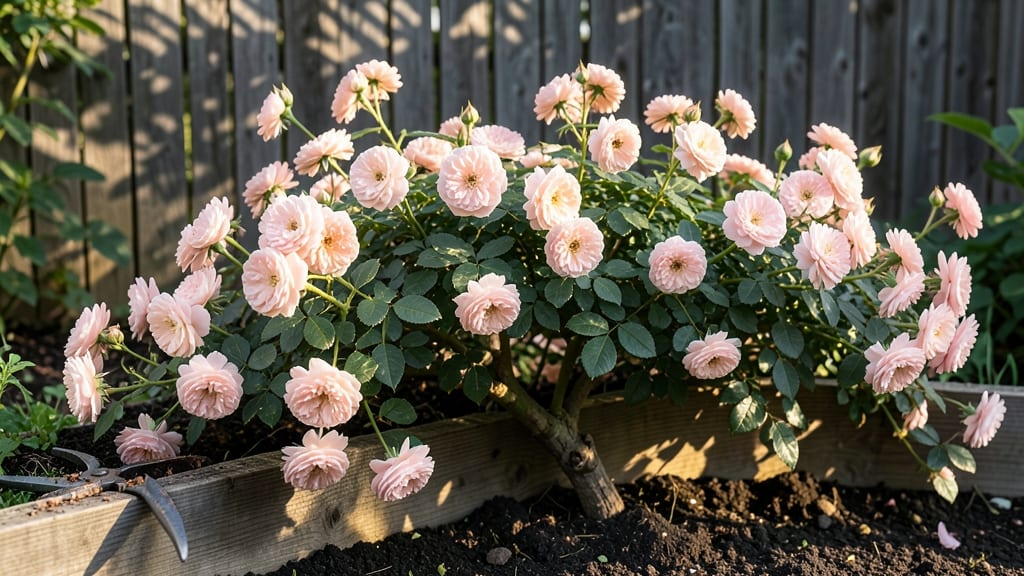
Nothing says romance like a climbing rose with petals that smell like peaches and cream. 🌹 These fruity-scented varieties transform any space into a fragrant escape—whether you train them up a trellis, along a fence, or even in a large container. The secret to their year-round blooms?
A few simple tricks about light, pruning, and the right support structure. I’ve turned my balcony into a vertical garden paradise using just two 15-gallon containers and a simple wire trellis. The key is choosing varieties like ‘Blaze’ or ‘Zephirine Drouhin’—their intoxicating scents linger long after the blooms fade.
These roses aren’t just pretty; they’re conversation starters, with petals that smell like summer even in winter. By late spring, your vines will be heavy with blooms, their fragrance drifting through the air like a secret.
Pair them with cobalt-blue pots and trailing ivy for a striking contrast, or let them climb a rustic wooden arbor for a cottage-core vibe. The best part? They thrive in containers, so you can move them to catch the sun or shade as needed.
For maximum impact, plant them near seating areas or entryways where the scent can be fully enjoyed. Add some scented geraniums at the base for a layered fragrance experience. Trust me, once you’ve smelled a fruity-petal rose in full bloom, you’ll never want to go back to ordinary flowers.
📚 In This Guide
- What you need
- Instructions
- Tips and common mistakes
- Wrapping up and next steps
What you need
- ● Climbing Rose Variety: Choose a fragrant, repeat-blooming cultivar like ‘Blaze’, ‘Zephirine Drouhin’, or ‘Fruity Petals’ (if available). 1-2 bare-root or potted plants (3-5 ft tall for best climbing potential).
- ● Container: Minimum 15-gallon pot (20+ gallons for larger varieties).
- ● Drainage holes (non-negotiable!).
- ● Lightweight material (fabric, plastic, or ceramic) for easy moving.
- ● High-Quality Potting Mix: 50% well-draining soil (e.g., Miracle-Gro Potting Mix) + 50% perlite or orchid bark (3-4 cubic feet total).
- ● Slow-Release Fertilizer: 10-10-10 or rose-specific granules (1 cup per container).
- ● Organic Mulch: 2-3 inches of pine bark or shredded leaves (helps retain moisture).
- ● Garden Gloves (to protect from thorns!).
- ● Trowel or Spade (for planting and soil amendments).
- ● Pruning Shears (sterilized with rubbing alcohol).
- ● Support Structure: Trellis, obelisk, or cage (6+ ft tall for vigorous climbers).
- ● Strong twine or plant ties (for securing vines).
- ● Watering Can or Hose with Nozzle (drip irrigation preferred for containers).
- ● pH Test Kit (ideal soil pH: 6.0–6.5).
- ● Epsom Salt (1 tbsp/month in water for magnesium boost).
- ● Rose Tonics (e.g., Fish emulsion for extra fragrance).
- ● Self-Watering System (for vacations or hot climates).
- ● Decorative Accents: Moss, fairy lights, or hanging baskets to enhance your container garden! 🌟
Step-by-step instructions for growing fragrant climbing roses in containers
Here’s how to cultivate fragrant, fruit-scented climbing roses that thrive in pots and keep blooming all season long.
🪴 Step 1: Choose the Right Container and Soil Mix
Start with a large, sturdy container—at least 15 gallons for each vine, since climbing roses develop deep root systems. I like fabric grow bags because they allow roots to breathe and prevent waterlogging. Make sure the pot has multiple drainage holes to avoid soggy roots, which can rot and kill the plant.
Fill the bottom 3 inches with gravel or coarse perlite to improve drainage. Then, mix 2 parts premium potting soil with 1 part compost and 1 part perlite for aeration. This blend ensures your rose gets the nutrients it needs while preventing compaction. Fill the pot to within 2 inches of the rim, leaving room for watering.
🌱 Step 2: Plant Your Climbing Rose with Care
Dig a hole in the soil mix that’s twice as wide as the rose’s root ball but only as deep as the top of the root flare (the bump where roots meet the stem). Gently loosen the roots if they’re circling—this encourages outward growth. Place the rose in the hole and backfill with soil, pressing lightly to remove air pockets.
Water deeply right after planting to settle the soil and eliminate gaps. The top inch of soil should feel moist but not waterlogged. Mulch the surface with 2 inches of bark or shredded leaves to retain moisture and regulate soil temperature. This step is crucial—skipping it can stress the plant and delay blooming.
☀️ Step 3: Provide Support and Optimal Light
Climbing roses need a strong trellis, arbor, or obelisk to climb. Install a 5-6 foot tall structure right after planting so the vine can start growing upward immediately. I use powder-coated metal arches because they’re sturdy and rust-resistant. Secure the main stem to the support with soft plant ties (never wire, which can damage the bark).
Place your container in a spot that gets at least 6 hours of direct sunlight daily. A south- or west-facing location is ideal. If you’re growing in partial shade, choose a disease-resistant variety like ‘Blaze’ or ‘New Dawn’—they tolerate lower light better. Watch for yellowing leaves or stunted growth, which signal insufficient light.
💧 Step 4: Water and Feed for Continuous Blooms
Water deeply 2-3 times per week, soaking the soil until water runs out the drainage holes. Let the top 2 inches of soil dry out between waterings—overwatering is the fastest way to kill a container rose. In hot weather, you may need to water daily, but always check the soil moisture first. Mulch helps retain moisture, so top it up as needed.
Feed your rose with a balanced liquid fertilizer (like 10-10-10) every 2 weeks during spring and summer. Switch to a low-nitrogen, high-phosphorus formula (like 5-10-5) when buds form to encourage blooming. I also add Epsom salt (1 tablespoon per gallon of water) monthly to boost magnesium, which keeps flowers vibrant. Stop fertilizing in late summer to prepare the plant for dormancy.
✂️ Step 5: Prune and Maintain for Year-Round Blooms
Prune your climbing rose twice a year: once in late winter (just before new growth starts) and again after the first flush of blooms in spring. Remove dead, crossing, or weak branches first, then cut back 1/3 of the oldest canes to the ground to encourage new growth. Make cuts at a 45-degree angle just above an outward-facing bud.
Deadhead spent blooms regularly to redirect the plant’s energy into new flowers. Pinch back new growth by 1/3 in early summer to promote bushier vines. In fall, reduce watering slightly and stop fertilizing to let the plant harden off for winter. Wrap the container in burlap if temperatures drop below 20°F to protect roots.
Tips & tricks for perfect fragrant climbing roses in containers
Here's what nobody tells you about keeping these fragrant beauties thriving all year—details that make the difference between a struggling vine and a lush, blooming masterpiece.
Container Size Matters: That 15-gallon minimum isn't just a suggestion—it's a must for climbing roses. I've seen people skimp with smaller pots, and their roses struggle by summer. If you're using a fabric grow bag, make sure it's at least 18 inches deep to accommodate those deep root systems. The extra space prevents roots from circling and becoming compacted, which can stunt growth and reduce blooming.
Soil Mix Secrets: The 2:1:1 ratio of potting soil, compost, and perlite is perfect, but here's the trick: always use fresh compost. Old, decomposed compost loses its nutrients quickly. I sift mine through a mesh bag to remove any large chunks that could create air pockets. For extra fragrance, mix in a handful of worm castings—they're packed with beneficial microbes that boost flower scent.
Light Positioning: Those 6 hours of sunlight are non-negotiable, but placement matters just as much. If your container is on wheels, rotate it every few weeks so all sides get even light exposure. This prevents the vine from growing lopsided toward the sun. I also recommend placing your rose near a window with southern exposure if possible—morning sun helps dry dew quickly, reducing fungal risks.
Winter Protection: The 20°F threshold isn't just about the roots—it's about the whole plant. When temperatures drop below this, wrap your container in burlap and add a layer of straw mulch around the base. I've seen roses survive winter just fine, but their blooms suffer if they're not properly protected. For extra insurance, move containers to a sheltered spot against a wall or under an overhang where cold winds can't reach.
Pro Tips for Fruity Petals Climbing Rose
- Here's what nobody tells you about keeping these fragrant beauties thriving all year—details that make the difference between a struggling vine and a lush, blooming masterpiece.
- Container Size Matters: That 15-gallon minimum isn't just a suggestion—it's a must for climbing roses.
- Soil Mix Secrets: The 2:1:1 ratio of potting soil, compost, and perlite is perfect, but here's the trick: always use fresh compost.
Frequently asked questions
How often should I water my climbing rose in a container?
Water your Fruity Petals Climbing Rose every 2–3 days in hot weather and once a week in cooler months. Containers dry out faster than ground soil, so check the top inch—if it’s dry, it’s time to water. Pro tip: Use a moisture meter or stick your finger in the soil to avoid over- or under-watering.
Can I grow this rose indoors year-round?
While possible, Fruity Petals Climbing Roses thrive outdoors with sunlight. If you must grow them indoors, place them near a south-facing window and supplement with 12–16 hours of grow lights daily. They’ll need high humidity (try a pebble tray) and regular pruning to stay compact. Expect fewer blooms indoors.
What’s the best container size for a climbing rose?
Aim for a minimum 15–20 gallon container (24" deep) to support roots and drainage. Larger pots (30+ gallons) reduce watering frequency. Ensure drainage holes and use a well-draining potting mix (like 60% soil, 30% perlite, 10% compost). Pro tip: Elevate containers slightly to prevent root rot.
How do I prevent pests like aphids or spider mites?
Start with neem oil spray (mix 1 tsp per quart of water) weekly as a preventative. Ladybugs and lacewings are natural predators—introduce them to your garden! For severe infestations, hose off pests with water or use insecticidal soap. Pro tip: Inspect leaves daily during warm months.
When and how should I prune for continuous blooms?
Prune after the first frost (late fall) and again in early spring to shape the vine. Cut back 1/3 of the oldest canes to encourage new growth. For year-round blooms, deadhead spent flowers and trim leggy stems to just above a leaf node. Pro tip: Use sterilized shears to avoid disease.
Can I grow other fragrant climbing roses in the same container?
While possible, avoid mixing too many varieties—they may compete for nutrients. If combining, choose compatible roses with similar care needs (e.g., David Austin climbers). Separate containers are ideal for preventing disease spread. Pro tip: Space roots 12+ inches apart if sharing a pot.
Wrapping up and next steps
The Fruity Petals Climbing Rose isn’t just a stunning addition to your garden—it’s a year-round burst of fragrance and beauty in containers! With its lush vines, vibrant blooms, and low-maintenance charm, this rose is perfect for both beginners and seasoned gardeners.
Whether you’re drawn to its sweet scent or its ability to thrive in pots, this variety proves that big impact doesn’t require big space. 🌸
Ready to transform your patio or balcony? Start by selecting your container, gathering your supplies, and giving this fragrant climber the love it deserves. Plant it, prune it, and watch it flourish—your garden (and senses) will thank you!