
Planting
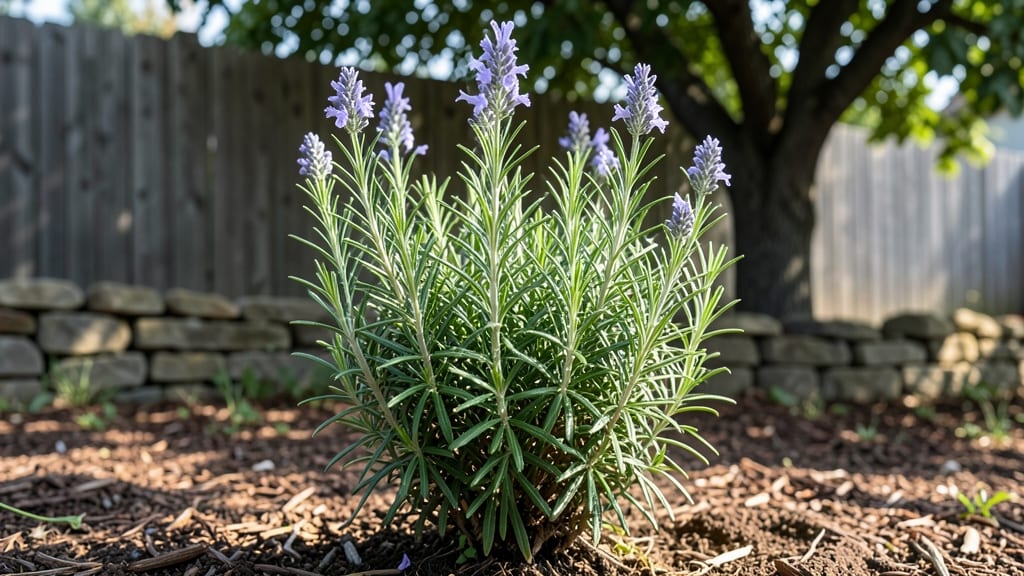
A healthy rosemary plant starts with sunlight and patience—no fancy tools or green thumbs required. 🌿 I’ve revived more than a few struggling rosemary bushes by focusing on just three things: light, soil, and watering habits. The result? Fragrant, woody stems that keep producing for years with almost no effort.
Outdoor rosemary thrives in full sun and well-draining soil, while indoor plants need a bright windowsill and occasional pruning to stay compact. Overwatering is the #1 killer—rosemary prefers dry soil between drinks. A simple trick: stick your finger in the soil; if it’s damp, wait a few days.
You’ll notice new growth within weeks, with those signature pine-like needles filling out thick and vibrant. The plant becomes a year-round source of flavor, plus it attracts pollinators and repels pests naturally. Best part? It’s nearly indestructible once established.
Works equally well in pots on a patio or tucked into a sunny garden bed. Here’s how to keep yours thriving for seasons to come.
📚 In This Guide
- What you need
- Instructions
- Tips and common mistakes
- Wrapping up and next steps
What you need
- ● Rosemary plant: 1 healthy cutting (4–6 inches long) or a nursery-grown plant (check for firm stems and vibrant green leaves).
- ● Well-draining potting soil: 5–10 lbs (or a 5–10 gallon bag). Look for a mix labeled "cactus/succulent blend" or amend regular soil with perlite/coarse sand (1:1 ratio).
- ● Container: 1 pot with drainage holes (minimum 12 inches deep and wide for mature plants; smaller for cuttings). Terracotta or fabric pots work best.
- ● Drainage layer: Small pebbles, gravel, or broken pottery (1–2 inches thick) to prevent root rot.
- ● Pruning shears or sharp scissors: For trimming cuttings or shaping the plant.
- ● Watering can or spray bottle: With a narrow spout for precise watering.
- ○ Fertilizer (optional): Balanced liquid fertilizer (10-10-10) or organic options like compost tea or fish emulsion. Use sparingly—rosemary prefers lean soil!
- ● Sunlight access: A south-facing window, grow light, or outdoor space with 6+ hours of direct sunlight daily.
- ○ Humidity tray (optional): A shallow tray with pebbles and water to increase humidity for indoor plants.
Step-by-step guide to growing a healthy rosemary plant
Here’s how I keep my rosemary thriving—no fuss, just fragrance and flavor.
🪴 Step 1: Pick the Right Spot and Soil
Rosemary craves full sun—at least 6-8 hours daily. A south-facing window or outdoor location works best. If you’re growing indoors, place it near the brightest window and supplement with a grow light if needed. Avoid drafts or sudden temperature swings, which stress the plant.
Use well-draining soil—rosemary hates soggy roots. Mix equal parts potting soil and perlite or coarse sand to improve aeration. If repotting, choose a container with drainage holes, and never let water pool at the bottom. A pot that’s at least 6 inches deep gives roots room to spread.
☀️ Step 2: Water Deeply but Infrequently
Rosemary thrives on neglect—water only when the top 1-2 inches of soil feel completely dry. Stick your finger in the soil; if it’s damp, wait another day. Overwatering is the fastest way to kill rosemary, so err on the side of too little. When you do water, soak the soil until it drains freely from the bottom.
In hot, dry weather, you might water every 7-10 days, but in cooler months, it could stretch to 3-4 weeks. Watch for wilting—rosemary droops when thirsty but bounces back once watered. If leaves turn yellow, you’re overwatering; brown edges mean it’s too dry.
✂️ Step 3: Prune for Bushiness and Health
Pruning keeps rosemary compact and encourages new growth. Trim back 1/3 of the plant’s length in early spring to shape it and remove any leggy or woody stems. Use clean, sharp scissors to cut just above a leaf node—this is where new branches will sprout.
Harvest regularly to promote bushiness. Snip sprigs from the tips, leaving at least 2-3 inches of growth on the stem. Avoid cutting into old, bare wood—rosemary rarely regrows from those areas. After pruning, place the plant in bright light to recover quickly.
🌿 Step 4: Fertilize Lightly and Protect from Pests
Rosemary needs minimal fertilizer. In early spring, apply a balanced, water-soluble fertilizer (like 10-10-10) at half strength. Too much fertilizer burns the roots and makes the plant soft and prone to disease. Skip fertilizing in winter—rosemary rests during cooler months.
Keep an eye out for pests like aphids or spider mites. Wipe leaves gently with a damp cloth if you spot them. Rosemary’s strong scent usually deters pests, but occasional sprays of neem oil can help if needed. Avoid chemical pesticides—they can harm the plant’s delicate foliage.
Tips & tricks for perfect rosemary growth
Here's what nobody tells you about keeping rosemary thriving with almost no effort.
Light Location Secret: That 6-8 hours of sun is non-negotiable for rosemary, but I've found that placing it on a sunny windowsill during winter months (even with supplemental grow lights) makes all the difference. If you're growing outdoors, position it where it gets morning sun and afternoon shade in hot climates—this prevents leaf scorch while still getting enough light.
Soil Mixing Strategy: The equal parts potting soil and perlite/sand mix is crucial, but I like to add a handful of coarse gravel to the bottom of the pot before adding soil. This creates extra drainage space and prevents the roots from sitting in water. For repotting, I use terracotta pots—they breathe better than plastic and help prevent root rot.
Watering Wisdom: When you do water, really soak the soil until it runs out the drainage holes. I like to use the "finger test" method: stick your finger 1-2 inches deep—if it feels dry, water thoroughly. The wilting you see is actually rosemary's way of telling you it's thirsty, but don't wait until it's completely wilted to water. A quick recovery is normal after proper watering.
Pruning Payoff: That 1/3 trim in early spring isn't just about shaping—it's about rejuvenating your plant. I always prune right after the last frost when new growth starts. And here's a little-known trick: if you're harvesting regularly, you can actually prune throughout the growing season to encourage bushier growth. Just make sure to leave those 2-3 inches of stem—this is where new growth emerges.
Pro Tips for Healthy Rosemary Plant
- Here's what nobody tells you about keeping rosemary thriving with almost no effort.
- Light Location Secret: That 6-8 hours of sun is non-negotiable for rosemary, but I've found that placing it on a sunny windowsill during winter months (even with supplemental grow lights) makes all the difference.
- Soil Mixing Strategy: The equal parts potting soil and perlite/sand mix is crucial, but I like to add a handful of coarse gravel to the bottom of the pot before adding soil.
Frequently asked questions
Got questions about keeping your rosemary plant thriving?
Here are answers to the most common ones—so you can enjoy fresh, fragrant herbs without the guesswork!
How often should I water my rosemary plant?
Rosemary is drought-tolerant! Water only when the top 1-2 inches of soil feel dry—usually every 1-2 weeks, depending on your climate. Overwatering is the #1 killer of rosemary. Pro tip: Let it go thirsty for a few days to mimic its Mediterranean roots!
How fast does rosemary grow?
Rosemary grows at a moderate pace, adding 6-12 inches per year. With proper care, it can reach 3-6 feet tall in 2-3 years. Patience pays off—older plants produce more flavorful sprigs! Bonus: Prune regularly to encourage bushier growth.
Can rosemary grow indoors? What do I need?
Place it near a sunny window (south-facing is ideal) and use a pot with drainage holes. A terracotta pot helps prevent root rot. Rotate the plant weekly for even growth. Watch out: Brown tips? It’s thirsty—but not too wet!
Why are my rosemary leaves turning yellow or brown?
Yellow leaves often mean overwatering, while brown edges signal underwatering or low humidity. Check soil moisture and adjust care. Pests like spider mites can also cause browning—spray with water or neem oil if needed. Fix: Trim affected leaves and improve airflow.
What’s the best way to harvest rosemary?
Harvest sprigs from the top to encourage new growth. Avoid cutting more than ⅓ of the plant at once. Use sharp scissors or pruners for clean cuts. Harvest tip: Pick before flowering for the strongest flavor! Store: Hang bundles upside-down to dry.
Wrapping up and next steps
Growing a healthy rosemary plant is simpler than you think—just a little sunlight, well-draining soil, and occasional love go a long way! 🌿 With its fragrant leaves and low-maintenance nature, this herb isn’t just a kitchen staple but a rewarding addition to any garden.
Now that you’re armed with the right tips, why not take the next step?
Start by planting your rosemary in a sunny spot this weekend, and soon you’ll be harvesting fresh sprigs for cooking or gifting to fellow plant lovers. Happy growing—your future meals (and your green thumb) will thank you! 🌱