
Size
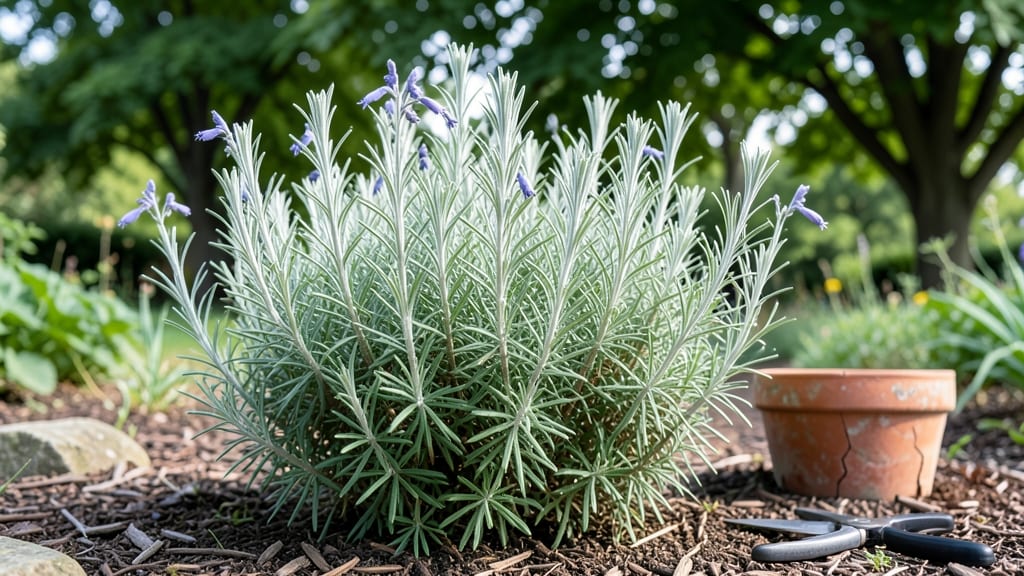
The best way to grow rosemary starts with two simple cuts that keep it lush and fragrant for years. 🌿 I’ve turned my kitchen rosemary into a thriving, woody shrub just by mastering these two pruning techniques—no fancy equipment needed.
Rosemary loves full sun and well-draining soil, but it’s surprisingly forgiving. Overwatering is the real enemy—let the soil dry between waterings, and you’ll avoid the sad, leggy plants most beginners grow. Once established, it’s drought-tolerant and nearly pest-proof.
By summer, you’ll have a bushy plant bursting with needle-like leaves that smell like a Mediterranean vacation. Pinch back new growth in early spring and trim after harvests to keep it compact and productive all year. Works in pots or gardens, even in colder zones if you bring containers indoors.
Here’s how to make it thrive without the guesswork!
📚 In This Guide
- What you need
- Instructions
- Tips and common mistakes
- Wrapping up and next steps
What you need
- ● Rosemary plant or cuttings: 1 healthy nursery-grown rosemary plant (upright or trailing variety)
- ● 3–5 fresh cuttings (4–6 inches long, with at least 2–3 leaf nodes)
- ● Well-draining soil: 1–2 bags (10–15 gallons) of cactus or succulent mix (or regular potting soil + 20% perlite/pumice)
- ● Container or garden space: For containers: 1–2 pots (5–7 inches deep, with drainage holes)
- ● For ground planting: Full sun spot (6+ hours/day) with loose, rocky soil
- ● Drainage: Gravel, pebbles, or a layer of terracotta shards (1–2 inches at the bottom of pots)
- ● Watering can or spray bottle: With a narrow spout for precision
- ● Pruning shears: Sharp, clean pair (sterilize with rubbing alcohol)
- ● Slow-release fertilizer: 1 packet of balanced 10-10-10 or organic rosemary-specific fertilizer
- ● Mulch: Gravel or pine straw to retain moisture and deter weeds
- ● Grow lights: LED full-spectrum bulb (for indoor setups with <6 hours of sunlight)
- ● Support stake: For trailing varieties (e.g., Prostratus rosemary)
- ● Harvesting basket or jar: To store your fresh, fragrant bounty!
Simple instructions for growing rosemary that actually thrives
Here's the foolproof method I've used to keep rosemary lush and fragrant for years—no fuss, no failure.
🪴 Step 1: Choose the Right Container and Soil
Rosemary hates soggy roots, so grab a 5-7 gallon container with drainage holes—terracotta pots work best. I use a mix of 50% potting soil and 50% coarse sand or perlite to ensure quick drainage. Fill the pot halfway, then add a handful of slow-release fertilizer mixed into the top inch of soil.
Press down lightly but don't compact the mix—rosemary roots need air. The soil should feel like a damp sponge, not a wet rag. If your mix holds water too long, add more sand next time. This prevents root rot, which is rosemary's biggest enemy.
☀️ Step 2: Plant and Position for Maximum Sunlight
Dig a hole twice as wide as the root ball but only as deep as the container's original soil line. Place your rosemary cutting (or small plant) in the hole, then fill around it with soil, pressing gently to remove air pockets. Water immediately until moisture runs from the drainage holes.
Rosemary needs full sun (6+ hours daily). A south-facing window or outdoor spot gets it best. If you're growing indoors, rotate the pot weekly so the plant grows straight. You'll see leggy growth if it's not getting enough light—this means it's stretching toward the nearest window.
💧 Step 3: Water Only When Soil is Completely Dry
Here's the thing—rosemary thrives on neglect. Water only when the top 2 inches of soil feel bone dry. Stick your finger in; if it comes out clean, it's time. Pour water until it drains freely from the bottom, then empty the saucer to prevent root rot.
Overwatering is the #1 killer of rosemary. If leaves yellow or drop, you're watering too much. I water mine every 7-10 days in summer and every 2-3 weeks in winter. A healthy rosemary will bounce back from wilting within hours of proper watering.
✂️ Step 4: Prune for Bushier Growth and Fresh Cuttings
Trim back 1/3 of the plant's length in early spring using clean pruning shears. Cut just above a leaf node (the bump where leaves grow) to encourage branching. This keeps your rosemary compact and prevents it from becoming a single woody stem.
You can also take cuttings from new growth to propagate more plants. Dip the cut end in rooting hormone (optional), then place in moist perlite. Keep it warm and humid until roots form in 3-4 weeks. I always keep a few cuttings on hand—rosemary spreads easily this way.
🌿 Step 5: Protect in Winter (If Growing Outdoors)
If you're growing rosemary outdoors in cold climates, move it to a sheltered spot before temperatures drop below 20°F. I wrap the pot in bubble wrap and place it against a south-facing wall. Mulch the soil with 2-3 inches of straw to insulate roots.
Indoor rosemary handles winter just fine as long as it stays in bright light. Reduce watering to every 3-4 weeks since growth slows. A dormant rosemary will perk up again in spring with proper light and water. This is when it rewards you with the most intense fragrance.
Tips & tricks for perfect rosemary growth
These simple yet game-changing strategies will help you keep your rosemary thriving all year round.
Container and Soil Selection: Terracotta pots are ideal because they breathe—literally. The porous material helps wick away excess moisture, preventing root rot that plagues so many indoor herb gardens. If you must use plastic, make sure it has extra drainage holes drilled in the bottom. I've also found that adding a layer of small pebbles at the bottom of the container creates extra air space for those sensitive roots.
Lighting Hacks for Indoor Growers: If your rosemary starts stretching toward the light (a sign of legginess), it's time to move it closer to the window. For north-facing windows, supplement with a grow light for 12-14 hours daily. I've had success with simple LED clip-on lights—just keep them 6-12 inches away from the plant. The key is mimicking natural sunlight intensity, not just duration.
Pruning Like a Pro: When you trim back that 1/3 of the plant in early spring, don't just cut randomly—look for the leaf nodes (those little bumps where leaves grow). Cutting just above these encourages new growth from those exact spots. I always keep my pruning shears clean with rubbing alcohol to prevent spreading any potential plant diseases. And here's a bonus: those pruned stems make fantastic fresh cuttings for propagation!
Winter Survival Strategy: That 20°F threshold is critical for outdoor rosemary. If you're in a marginal climate zone, consider moving your plant to an unheated garage or shed during extreme cold snaps. Even with protection, rosemary can handle brief dips below freezing, but prolonged exposure will damage the leaves. The good news? The woody stems often survive and regrow when temperatures warm up again.
Pro Tips for Best Way To Grow Rosemary
- These simple yet game-changing strategies will help you keep your rosemary thriving all year round.
- Container and Soil Selection: Terracotta pots are ideal because they breathe—literally. The porous material helps wic...
- Lighting Hacks for Indoor Growers: If your rosemary starts stretching toward the light (a sign of legginess), it's ti...
Frequently asked questions
Got questions about growing rosemary? You’re not alone! Here are some of the most common queries—plus straightforward answers to help you cultivate thriving rosemary plants with ease.
Can rosemary grow indoors year-round?
Rosemary thrives indoors near a sunny window (south-facing is ideal) or under grow lights (12+ hours/day). Use well-draining pots with drainage holes and water only when the top inch of soil feels dry. A humidity tray can prevent crispy leaves. Pro tip: Rotate the pot weekly for even growth!
How long does it take for rosemary to grow from cuttings?
Patience pays off! Root development usually takes 4–8 weeks, with visible growth appearing in about 3–4 weeks. Keep cuttings in water or moist soil, and place them in bright, indirect light. Once roots are 2–3 inches long, transplant to soil. Speed up growth with a rooting hormone!
Why is my rosemary turning brown or crispy?
Brown edges or crispy leaves often signal overwatering or low humidity. Rosemary hates soggy soil—let it dry out between waterings. If leaves are dry but roots feel mushy, trim the damaged parts and adjust your watering routine. Mist leaves occasionally to boost humidity!
Can I grow rosemary in containers without drainage holes?
Not ideal, but possible with a workaround! If your pot lacks holes, layer pebbles or perlite at the bottom to improve drainage. Avoid letting water pool—empty excess after 15–20 minutes. For long-term health, upgrade to a pot with holes or use a cache pot (a decorative outer pot with drainage).
Does rosemary need cold weather to thrive?
Rosemary is hardy in USDA zones 7–10 but struggles in freezing temps (<30°F). In colder climates, grow it in containers and move indoors before frost. If planted in the ground, mulch heavily or cover with burlap. Heat waves? Provide afternoon shade to prevent leaf scorch!
Wrapping up and next steps
Growing rosemary is easier than you think—just sunlight, well-draining soil, and a little patience are all you need!
Whether you’re starting from cuttings, seeds, or a nursery plant, these steps ensure a thriving, fragrant herb year-round. Now that you’re armed with the best tips, why not share your green thumb success?
🌱 Your Next Step:
Snip a cutting today, plant it, and watch your kitchen (or garden!) transform into a rosemary paradise. Tag us in your harvest pics—we’d love to see your progress! 🌿✨