
Flowers
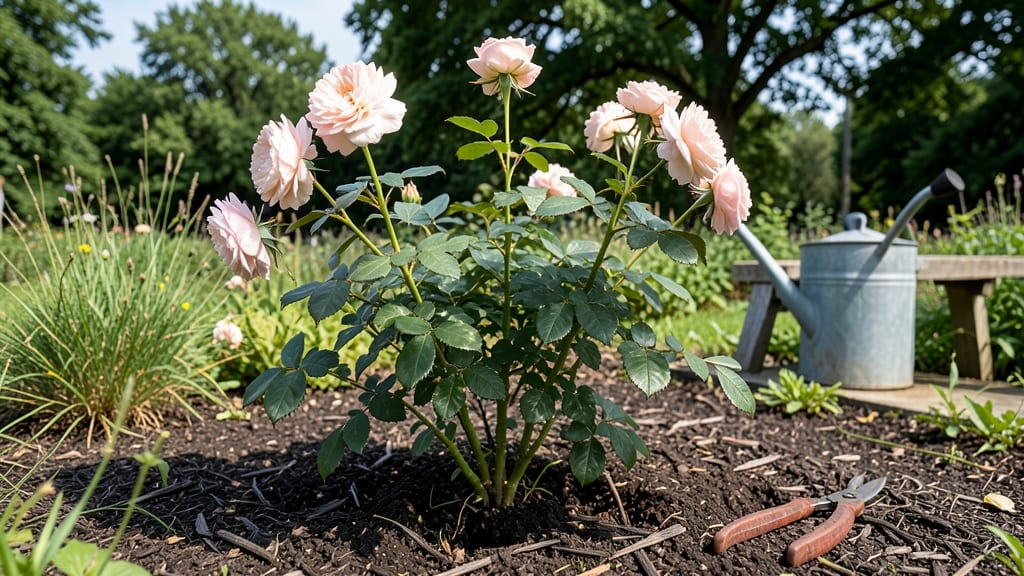
Growing Heaven on Earth roses transforms your patio into a fragrant sanctuary with minimal fuss. 🌹 These disease-resistant climbers thrive in containers, producing clouds of delicate, highly fragrant blooms that smell like a spring meadow. What sets them apart?
They bloom continuously from spring through fall, and their thornless canes make them perfect for small spaces or trellises. The secret to their success lies in well-draining soil and morning sunlight—they tolerate afternoon shade better than most roses.
I’ve grown mine in 5-gallon containers for years, and they’ve never needed more than weekly watering once established. The key is keeping the soil consistently moist but never soggy, which prevents the root rot that plagues many roses.
You’ll be rewarded with lush, glossy foliage and clusters of blush-pink blooms that perfume the air. These roses are also deer-resistant, making them ideal for rural gardens. The fragrance is so intoxicating that neighbors will ask where you’re hiding your secret—it’s not a secret, just smart care.
Whether you’re a container gardener or have limited space, Heaven on Earth roses deliver professional-level beauty with beginner-friendly ease. Let’s get your fragrant retreat growing!
📚 In This Guide
- What you need
- Instructions
- Tips and common mistakes
- Wrapping up and next steps
What you need
- ● Heavenly Blue® Rose Bare-Root Plant or Potted Rose: 1-2 plants (choose disease-resistant varieties for best results)
- ● Well-Draining Potting Mix: 5-10 gallons (depending on container size)
- ● Specs: Lightweight, airy blend with perlite or vermiculite (e.g., 60% peat moss, 30% compost, 10% sand)
- ● Containers: 1-2 containers (12-18 inches deep with drainage holes)
- ○ Optional: Self-watering pots for convenience
- ● Drainage Tray or Saucer: 1 (to catch excess water)
- ● Slow-Release Fertilizer: 1 packet (rose-specific or balanced 10-10-10)
- ● Pruning Shears: 1 pair (sterilized with rubbing alcohol)
- ● Mulch: 2-3 inches of organic mulch (e.g., shredded bark or straw)
- ● Rose food or liquid fertilizer (for mid-season boosts)
- ● Epsom salt (1 tbsp/month for magnesium)
- ● Copper fungicide (preventative care)
- ● Support stakes or trellis (for climbing varieties)
- ● pH testing kit (ideal range: 6.0-6.5)
Step-by-step instructions for cultivating Heaven on Earth roses in containers
Here's the foolproof method I've used to grow lush, fragrant Heaven on Earth roses in pots—no garden required.
🪴 Step 1: Select and Prepare the Right Container
Choose a container at least 18 inches wide and deep—Heaven on Earth roses need room to develop their sprawling growth habit. I prefer containers with built-in drainage holes, but if yours don't have them, drill 4-6 holes in the bottom. Line the bottom with 2-3 inches of gravel or broken pottery to prevent soil compaction and improve aeration.
This rose thrives in well-draining soil, so avoid heavy clay pots. Glazed ceramic or high-quality plastic containers work well. If using a decorative pot without drainage, place your planted container inside it, ensuring the outer pot has drainage holes. The gravel layer also helps prevent root rot, which is the biggest threat in container-grown roses.
🌱 Step 2: Create the Perfect Soil Mix
Fill your container with a blend of 50% high-quality potting mix, 30% compost, and 20% perlite or coarse sand. This combination ensures excellent drainage while retaining enough moisture for the rose's delicate roots. I mix these materials in a wheelbarrow or large bucket before filling the container to ensure even distribution.
Heaven on Earth roses prefer slightly acidic soil with a pH between 6.0 and 6.5. If your tap water is alkaline, use rainwater or distilled water for watering. Add a slow-release rose fertilizer to the soil mix for a nutrient boost at planting. Work the fertilizer into the bottom 6 inches of soil—this prevents root burn from concentrated nutrients.
☀️ Step 3: Plant and Position for Optimal Growth
Dig a hole in the center of your container that's just deep enough to accommodate the rose's root ball without bending the roots. Gently remove the rose from its nursery pot and loosen any circling roots with your fingers. Place the rose in the hole so the graft union (the bump near the base of the stem) sits 1 inch above the soil line. This prevents soil from covering the graft and encourages strong growth.
Fill the hole with soil and press gently around the base to eliminate air pockets. Water deeply until it drains from the bottom holes. Position your container in a spot that receives at least 6 hours of direct sunlight daily. Morning sun with afternoon shade works best in hot climates to prevent leaf scorch. Heaven on Earth roses tolerate partial shade but will produce fewer blooms in low-light conditions.
💧 Step 4: Establish a Consistent Watering Routine
Water your rose when the top 1-2 inches of soil feel dry to the touch. This typically means watering every 2-3 days during warm weather, but adjust based on your climate and container size. I use a watering can with a narrow spout to direct water to the base of the plant, avoiding the foliage to prevent fungal diseases.
Never let your container sit in standing water—this will cause root rot. If your pot doesn't have drainage holes, water thoroughly and then tip the container to drain excess water from the saucer. Mulch the soil surface with 1-2 inches of organic mulch to retain moisture and regulate soil temperature. This rose's fragrant foliage is its hallmark, so consistent moisture keeps the leaves lush and aromatic.
✂️ Step 5: Prune and Maintain for Continuous Blooms
Prune your Heaven on Earth rose in early spring to remove any dead or diseased wood. Cut back last year's growth by about one-third to encourage new, vigorous growth. Throughout the growing season, pinch back the tips of new growth to promote bushier plants. Remove spent blooms regularly to encourage continuous flowering—this rose produces fragrant foliage year-round, but deadheading keeps it looking tidy.
Feed your rose with a balanced liquid fertilizer every 4-6 weeks during the growing season. I switch to a low-phosphorus fertilizer in late summer to promote fall blooms. Watch for signs of pests like aphids or spider mites, which can be controlled with insecticidal soap or neem oil. With proper care, your Heaven on Earth rose will reward you with its signature heavenly fragrance for years to come.
Tips & tricks for growing fragrant container roses
Here's what I've learned after years of growing these heavenly-scented beauties in pots—tricks that make all the difference between a struggling plant and a thriving, fragrant centerpiece.
Container Size Matters: That 18-inch minimum dimension isn't arbitrary—it gives roots room to spread without becoming root-bound. I've seen roses in undersized pots struggle with stunted growth and poor fragrance development. If you're working with smaller containers, consider a dwarf variety or plan to divide your rose every 2-3 years to refresh its vigor. The sprawling growth habit of Heaven on Earth roses demands space!
Soil Science for Scent: The 50-30-20 soil mix ratio isn't just about drainage—it's about creating the perfect oxygen-rich environment for those fragrant oils to develop. I always sift the perlite or coarse sand separately before mixing to ensure even distribution. Pro tip: Add a handful of worm castings to your compost portion for an extra nutrient boost that enhances fragrance. The slightly acidic pH (6.0-6.5) is crucial—test your soil if you're unsure, as even a slight shift can affect both growth and scent intensity.
Sunlight Strategy: Those 6 hours of direct sunlight are non-negotiable for maximum fragrance production, but placement matters just as much. I position my containers where they'll get morning sun (which is less intense) and afternoon shade in hot climates. This prevents leaf scorch while still providing enough light for photosynthesis. If you're in a shaded area, supplement with a grow light for 4-6 hours daily during the growing season.
Watering Wisdom: The "top 1-2 inches dry" rule works, but I've found that checking soil moisture at the 3-inch level gives a more accurate picture of the rose's true needs. Container-grown roses dry out faster than in-ground plants, especially in porous materials like ceramic. I water until I see moisture draining from the bottom holes—this ensures the entire root zone gets hydrated. Mulching with 1-2 inches of organic material helps maintain consistent moisture levels and regulates soil temperature, which is particularly important in containers that heat up quickly in direct sunlight.
Pro Tips for Heaven On Earth Rose
- Here's what I've learned after years of growing these heavenly-scented beauties in pots—tricks that make all the diff...
- Container Size Matters: That 18-inch minimum dimension isn't arbitrary—it gives roots room to spread without becoming...
- Soil Science for Scent: The 50-30-20 soil mix ratio isn't just about drainage—it's about creating the perfect oxygen-...
Frequently asked questions
Got questions about growing your own "Heaven on Earth" rose?
You're not alone! Here are some of the most common queries—plus straightforward answers to help you cultivate fragrant perfection in containers.
What’s the best container size for Heaven on Earth roses?
For this climbing rose, aim for a minimum 15-gallon container (18" deep x 12" wide). Larger is always better—think 20+ gallons—since deep roots thrive in space. Drill drainage holes and use a well-draining potting mix (like 60% soil, 30% compost, 10% perlite) to prevent soggy roots. Pro tip: Add a gravel layer at the bottom for extra aeration!
How long does it take for Heaven on Earth roses to bloom?
Patience pays off! With proper care, you’ll see first blooms in 1–2 years after planting. Young roses focus on root growth, so prune lightly in early spring to encourage bushier, healthier canes. Bonus: Once established, they’ll reward you with continuous blooms from late spring to frost—and that heavenly scent is unbeatable!
Can I grow Heaven on Earth roses in partial shade?
While they prefer full sun (6+ hours/day), Heaven on Earth roses tolerate partial shade (4–6 hours). In shadier spots, blooms may be smaller or less frequent, but the fragrance stays strong. If your patio gets morning sun + afternoon shade, it’s a great compromise. Watch for: Leggy growth or fewer blooms—boost light with a reflective surface or grow lights if needed.
What pests should I watch for with container roses?
Common culprits include aphids, spider mites, and Japanese beetles. Prevent pests with:
- Neem oil spray (weekly preventative)
- Introducing ladybugs or lacewings (natural predators)
- Pruning infested leaves immediately
How do I overwinter Heaven on Earth roses in containers?
Container roses need extra protection in winter. Here’s how:
- Move pots to a sheltered spot (garage, porch, or against a wall).
- Wrap the container in bubble wrap and add mulch around the base.
- Water sparingly (only when soil is dry) to avoid root rot.
- Prune dead or damaged canes in early spring before new growth starts.
Wrapping up and next steps
Transforming your space into a fragrant heaven on earth with Rosa 'Heaven on Earth' is simpler than you think—and oh-so-rewarding! 🌸 With the right container, soil, and a little TLC, you’ll enjoy lush blooms and intoxicating scents for years.
Whether you’re a seasoned gardener or just starting, this rose thrives with patience and care.
Ready to dive in? Start small: pick a sunny spot, grab your supplies, and plant your first rose today. Your garden (and nose) will thank you! 🌿✨