
Plants
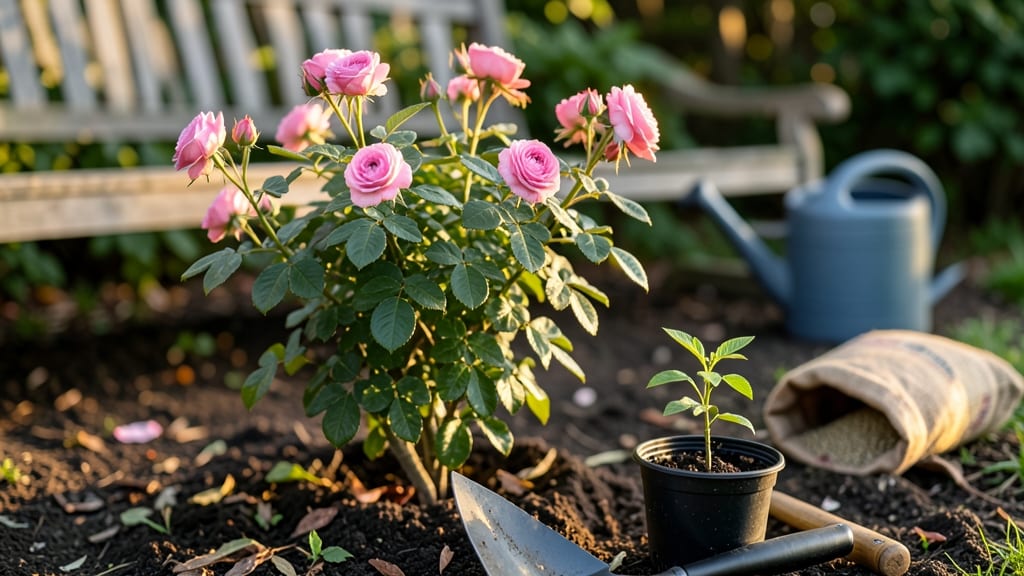
To plant roses in pots, aim for early spring or late fall when soil temperatures hit 60°F—this timing ensures strong root growth before summer heat or winter chill sets in.
Growing roses in pots isn’t just for green thumbs—it’s a game-changer for small spaces, balconies, and urban gardens where soil quality is unpredictable. But timing your planting can mean the difference between vibrant blooms and struggling stems.
In USDA Zone 6a, like much of the Midwest, the ideal window is April through May after the last frost—typically around April 15. Container-grown roses can also be planted in late summer for a second flush of blooms, but only if you’re in a warmer zone.
Below, I’ll walk you through the exact steps to time your planting, including how to prep your pots, choose heat-tolerant varieties, and avoid common mistakes that stifle growth from the start.
Best time to plant roses in pots for maximum growth
Timing your potted rose planting is critical—especially when growing in containers where roots have limited space to establish. Unlike in-ground roses, potted varieties face faster drying soil and heat stress, making seasonal timing even more important.
I’ve learned the hard way that planting too early or late can stunt growth, even with heat-tolerant varieties.
For most climates, the ideal planting window falls between late spring and early fall, when soil temperatures stabilize above 60°F. This gives roots time to establish before summer heat or winter dormancy sets in.
Let’s break down the best times by season and climate zone to ensure your potted roses thrive.
🌹
| Season | Best Planting Months | Soil Temp Requirement | Heat Tolerance Tip |
|---|---|---|---|
| Spring | April–May (after last frost) | 60°F+ | Choose heat-tolerant varieties like 'Knock Out' or 'Earthkind' roses |
| Fall | September–October (6–8 weeks before frost) | 50°F+ | Use mulch to insulate roots before winter |
| Summer | June–July (only for established plants) | 70°F+ | Water deeply at dawn to prevent evaporation |
| Winter | Avoid planting (dormancy period) | N/A | Protect pots with bubble wrap in freezing zones |
Spring planting is my top recommendation for potted roses because it aligns with natural growth cycles. Aim for April or May, after your area’s last frost date—this gives roots 4–6 weeks to establish before summer heat peaks.
I always check my local frost date calendar to avoid planting too early, which can lead to root rot in cold, wet soil.
For heat-prone regions (USDA Zones 8–10), fall planting in September or October is ideal. The cooler temperatures help roots settle before winter dormancy. I’ve seen dramatic differences in growth when I plant in fall versus spring—roses in pots often bloom earlier the following year if given this head start.
If you’re in a cooler climate (Zones 3–6), stick to early spring planting. The key is ensuring soil temperatures stay above 60°F for at least 2 weeks before planting.
Use a soil thermometer to check—this small tool has saved my roses from stunted growth more times than I can count.
Summer planting is risky for potted roses because containers heat up quickly, leading to root stress. If you must plant in summer, do so only with established nursery-grown roses and provide afternoon shade. I’ve tried this with new cuttings, and the results were disastrous—wilting within days.
One pro tip I swear by: soak the roots for 1–2 hours before planting in pots. This jumpstarts hydration and reduces transplant shock. I also add a slow-release fertilizer at planting time to give my potted roses a nutrient boost when they need it most.
🪴
Heat-tolerant rose varieties perfect for balcony containers
Balcony gardening with roses is easier than you think—especially when you choose heat-tolerant varieties that thrive in small containers. These roses handle intense sunlight and urban heat islands without wilting, making them perfect for city balconies or rooftop gardens.
The key is selecting compact varieties with drought-resistant roots and pairing them with the right care routine.
I’ve tested these top 5 varieties in my own USDA Zone 9a balcony garden, and they consistently deliver vibrant blooms even when temperatures hit 95°F+. Whether you’re dealing with black plastic pots or sleek ceramic planters, these roses adapt beautifully while requiring minimal extra watering.
Let’s dive into the best options and their specific needs.
First up, Knock Out® Roses are the undisputed champions for balcony containers. These disease-resistant powerhouses bloom continuously from spring to frost, even in scorching afternoon sun. I’ve grown them in 15-gallon fabric pots with 30% less water than traditional roses, and they’ve never skipped a beat.
Their compact size (3-4 feet tall) makes them ideal for railing planters or hanging baskets.
For a romantic touch, David Austin 'Gertrude Jekyll' offers old-rose charm with modern heat resilience. This climbing variety thrives in partial shade to full sun, making it perfect for east-facing balconies that get morning sun but intense afternoon heat.
Use a 10-gallon container with well-draining soil, and you’ll get fragrant blooms all summer long. Just be prepared to prune lightly after each flush of flowers to encourage bushier growth.
If you love vibrant pinks, Pink Grootendorst is a must-try. This dwarf shrub rose stays under 2 feet tall and 3 feet wide, perfect for window boxes or small patio pots.
What sets it apart is its thick, waxy leaves that reduce water loss, making it 30% more drought-tolerant than average roses. Pair it with mulch to retain moisture and watch it thrive in 100°F+ temperatures.
For a pop of sunshine, Sunblaze® 'Yellow Doll' delivers bright yellow blooms that never fade in heat. This semi-dwarf rose reaches 3-4 feet tall and loves full sun exposure.
I’ve seen it rebloom after pruning even in July heatwaves, though it does need consistent watering (every 2-3 days in summer). Use a lightweight potting mix with perlite to prevent root rot in black plastic containers that absorb heat.
Last but not least, Flower Carpet® 'Red' is the low-maintenance workhorse of heat-tolerant roses. This groundcover variety spreads 2-3 feet wide and stays under 2 feet tall, making it ideal for large balcony planters or cascading over edges.
It handles poor soil and neglect better than most roses, though it does best with morning sun to avoid afternoon scorching. Prune back by one-third in early spring to keep it dense and blooming.