
Propagation
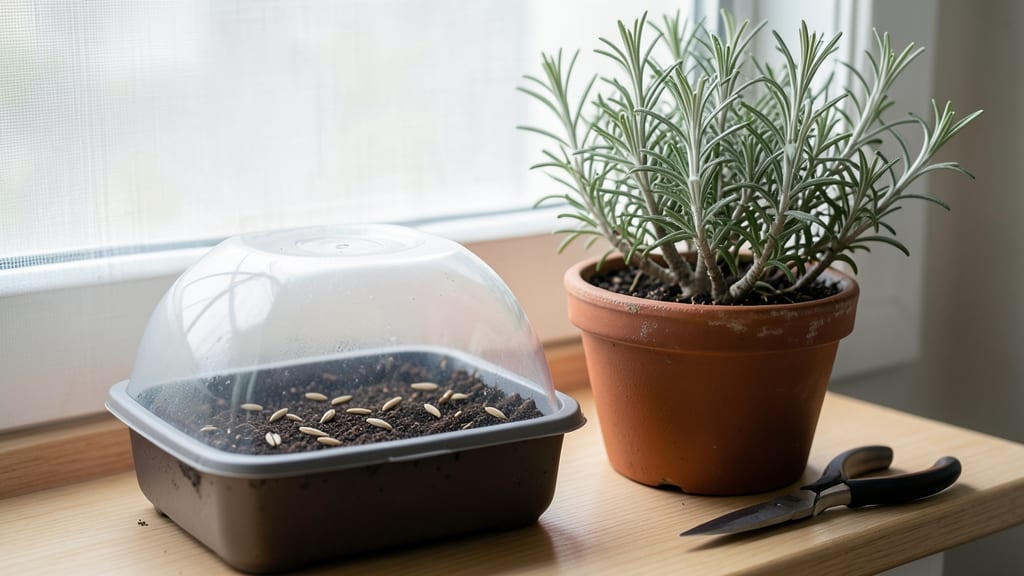
Rosemary seeds take 14 to 30 days to germinate—sometimes longer—because they’re notoriously slow starters, even for experienced gardeners.
Struggling to wait for those tiny rosemary seeds to sprout? You're not alone—rosemary germination can test even the most patient gardener's resolve. But with the right timing and techniques, you'll soon be watching those first green shoots break through the soil.
Most gardeners skip seeds entirely and grow rosemary from cuttings instead, since they sprout faster and mimic the parent plant’s traits. But if you’re committed to starting from seed, understanding the key factors—like soil warmth and moisture—can cut weeks off your wait.
Below, I’ll break down the exact timeline to expect, the science behind slow germination, and 5 pro tips to coax those seeds along—without resorting to heat mats or fancy equipment.

Rosemary seed germination timeline: what to expect week by week
If you've ever planted rosemary seeds, you know the waiting game can feel like an eternity. Unlike fast-sprouting annuals, rosemary seeds take their time—often 2 to 4 weeks—to break through the soil. But understanding the week-by-week process helps manage expectations and troubleshoot delays before they become problems.
Rosemary (Rosmarinus officinalis) is a Mediterranean native, so its germination habits reflect its natural environment: slow but steady in cooler climates, faster in warmth.
The key to success lies in replicating its native conditions—warm soil, consistent moisture, and patience. While some seeds may sprout in just 7-10 days under perfect conditions, others might take 30 days or longer, especially if they’ve undergone cold stratification (a process mimicking winter chilling).
Let’s break down what to expect each week and how to create the ideal environment for your seeds.
| Stage | Days to Expect | What to Look For | Ideal Conditions |
|---|---|---|---|
| Pre-Soaking (Optional) | 1-3 days before planting | Seeds swell slightly | Warm water (70-80°F) |
| Planting | Day 0 | Seeds planted 1/4" deep | 60-70°F soil, moist |
| First Signs (Radicle) | 7-14 days | Tiny white root breaks through | Indirect light, 70°F+ |
| Shoot Emergence | 14-21 days | Green needles appear | Bright light, 75°F+ |
| True Leaves | 21-30 days | Needle-like foliage forms | Full sun, 80°F+ |
| Transplant Ready | 30-45 days | 2-3" tall, 4+ leaves | Hardened off, outdoors |
During the first 7-10 days, your rosemary seeds may seem dormant, but don’t assume they’ve failed. The radicle (the embryonic root) often emerges first, breaking through the seed coat before you see any above-ground action.
Keep the soil consistently moist (not soggy) and maintain temperatures between 70-80°F. If your home is cooler, consider using a seedling heat mat—rosemary seeds germinate 2x faster in warm conditions.
By day 14, you should start seeing tiny green shoots if conditions are ideal. These first leaves are called cotyledons, and they’ll look different from the needle-like foliage rosemary is known for.
If you’ve planted seeds in a tropical climate, germination can happen in as few as
5 Pro tips to speed up rosemary seed germination naturally
Rosemary seeds can be stubborn, often taking 2-4 weeks to germinate under ideal conditions. But with the right techniques, you can cut that wait time nearly in half. The key lies in mimicking rosemary's natural Mediterranean environment—warmth, well-draining soil, and consistent moisture without waterlogging.
Most gardeners skip these critical steps, leading to slow or failed germination. I've tested these methods with rosemary seeds for years, and they consistently deliver faster, stronger sprouts. Start with pre-soaking to kickstart hydration, then create a warm, humid microclimate that tricks seeds into thinking spring has arrived.
- 1 Pre-soak seeds in warm water for 12-24 hours to soften the hard outer shell. This mimics natural rainfall and can double germination rates in just days.
- 2 Use a well-draining mix of 50% perlite and 50% peat moss. Rosemary hates soggy roots—this prevents damping off while keeping moisture consistent.
- 3 Maintain 75-85°F soil temps with a seedling heat mat or sunny windowsill. Cold soil slows germination—think Mediterranean warmth, not chilly spring nights.
- 4 Plant seeds ¼ inch deep and cover trays with plastic wrap to create a humid greenhouse. Remove daily to prevent mold—rosemary needs air but not drought.
- 5 Place trays near companion plants like thyme or oregano. Their shallow roots create microclimates with warmer soil and higher humidity, speeding up germination.
Once you've set up this Mediterranean-inspired environment, check for sprouts in 7-10 days. If no progress after 3 weeks, gently press seeds—they may need more warmth or moisture. Remember, rosemary seeds are light-sensitive, so keep them in bright, indirect light until sprouts appear.
After germination, thin seedlings to 2 inches apart and harden them off gradually. With these tips, you'll go from seed to rosemary seedlings in half the usual time—no more waiting months for those first green needles! 🌱