
How To
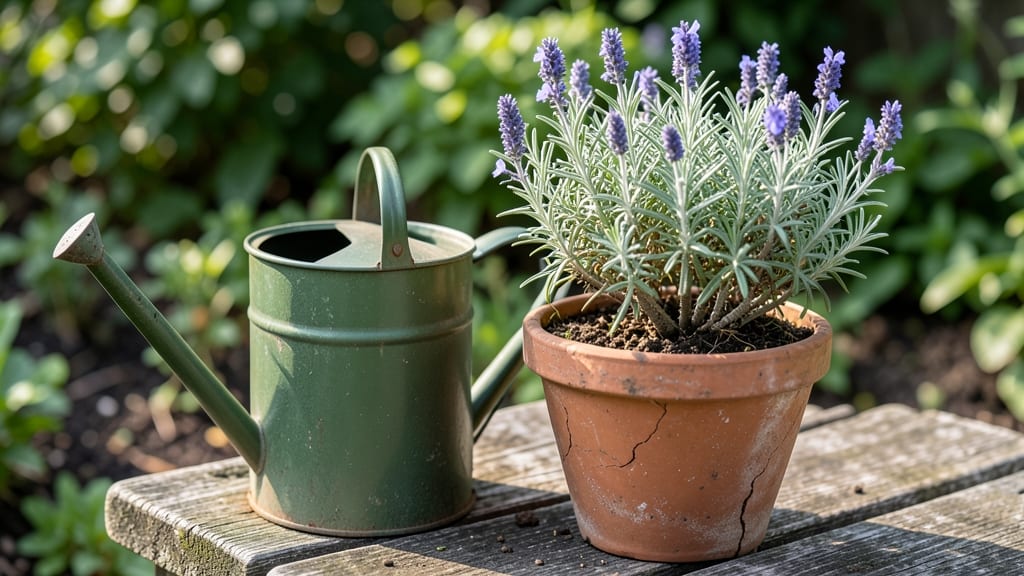
Rosemary's natural resilience comes from its Mediterranean heritage, where it evolved to thrive in dry, rocky soils. 🌿 The key is mimicking this environment—watering deeply but infrequently encourages strong root development while preventing soggy soil.
I've found that morning watering gives leaves time to dry completely, reducing fungal risks. For container-grown rosemary, the schedule may need slight adjustments since pots dry out faster than garden beds.
Watch for visual cues: yellowing leaves often signal overwatering, while crispy edges on older foliage usually mean it's thirsty. Mulching with gravel or coarse sand helps regulate moisture levels by preventing evaporation while allowing excess water to drain away.
This simple soil test method—combined with seasonal adjustments—keeps your rosemary lush and productive year-round.
💡 In This Article
- Rosemary Watering Science: Soil Moisture and Root Health
- Step-by-Step Rosemary Soil Test for Optimal Watering
Rosemary watering science: soil moisture and root health
Rosemary's drought tolerance stems from its Mediterranean roots, which evolved to store water efficiently in their woody stems. The plant's natural habitat receives 10-20 inches of rain annually—far less than most U.S. gardens—so its roots develop deep into the soil to access moisture.
This adaptation means rosemary can go weeks without water, but the key lies in the soil's texture: sandy or gravelly mixes drain quickly, preventing waterlogging that suffocates roots. 🌱 When you overwater, you're essentially creating an anaerobic environment where roots can't breathe, leading to fungal infections like root rot.
The science gets interesting at the cellular level. Rosemary's cells contain high concentrations of volatile oils that act as natural antifungals, but these compounds become less effective when soil stays soggy. Waterlogged conditions also trigger ethylene production—a plant stress hormone—that accelerates leaf drop.
That's why you'll often see rosemary leaves turning yellow or black at the edges when overwatered: the plant is essentially drowning. The ideal moisture balance keeps the soil 60-70% air and only 30-40% water, which is why the finger test works so well.
Seasonal temperature shifts dramatically affect rosemary's water needs. In summer, when temperatures exceed 80°F, evaporation rates can double, meaning your plant loses moisture faster. That's why summer watering schedules are tighter—every 1-2 weeks—while winter's cooler air slows evaporation, extending the time between waterings to 3-4 weeks.
The plant's natural dormancy in winter makes it even more resilient to dry conditions, but don't mistake this for neglect: even dormant rosemary needs occasional moisture to prevent desiccation.
Container-grown rosemary presents a special challenge because pots lack the moisture-buffering capacity of garden soil. A 5-gallon container can dry out in just 5-7 days in summer heat, requiring nearly twice the frequency of garden rosemary. The solution?
Use terracotta pots (which wick moisture) and add perlite or pumice to the soil mix for better drainage. This mimics the rocky Mediterranean soils where rosemary thrives naturally. 💧 The key measurement here is soil weight: when a container feels light, it's time to water.
What most gardeners overlook is how mulch affects watering frequency. A 2-inch layer of gravel around rosemary plants reflects sunlight (reducing evaporation) while allowing excess water to drain. Organic mulches like straw work differently—they retain moisture—but can compact over time, reducing drainage.
For rosemary, inorganic mulches are ideal because they maintain the plant's preference for well-drained conditions. This simple layer can extend the time between waterings by 30-50%, especially during hot, dry spells.