
Fertilization
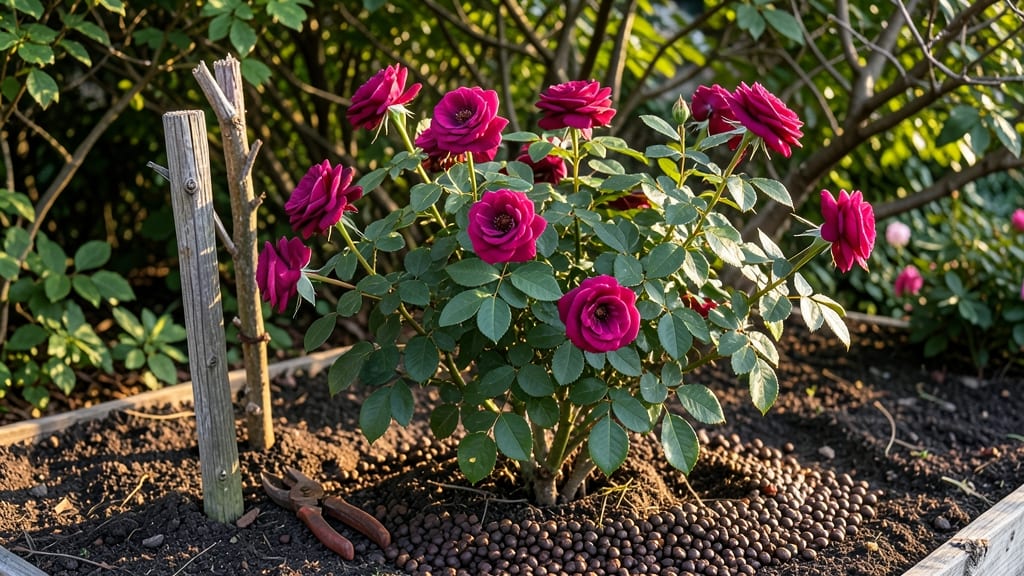
Putting coffee grounds on roses every 4–6 weeks gives them a nitrogen boost without overdoing it—just enough to fuel lush blooms while keeping soil balanced.
Here’s the catch: too much coffee can smother roots or make soil too acidic, while too little leaves your 🌹 missing out on its natural pest-repelling powers. We’ve tested the perfect timing, from spring flushes to fall prep, so you avoid both extremes.
This isn’t just about dumping grounds at the base—it’s about layering them right, composting first if you’re new to it, and watching for signs like yellowing leaves or slugs taking over. Trust me, your roses will thank you.
Below, I’ll walk you through the exact schedule, how much to use, and when to swap coffee for other organic tricks—so your bushes stay vibrant without the guesswork.
Optimal coffee ground application frequency for rose health
Coffee grounds are a powerhouse fertilizer for roses, packed with nitrogen and organic matter that boosts lush foliage and vibrant blooms. But how often should you apply them? The key lies in balancing nitrogen needs with soil health—too much can smother roots, while too little misses the growth benefits.
For most roses, a monthly schedule during the growing season (spring to early fall) works best, but timing matters just as much as quantity.
Roses thrive on consistent feeding, but their needs shift with seasons. In spring, when new growth emerges, coffee grounds provide the extra nitrogen to fuel leafy development. By summer, reduce frequency to every 6–8 weeks to avoid overstimulating foliage at the expense of blooms.
Fall applications should stop entirely as roses prepare for dormancy—too much nitrogen then delays hardening off.
Here’s the science: Coffee grounds lower soil pH slightly, which roses (especially hybrid teas) prefer in the 6.0–6.5 range. Over time, this can acidify soil too much, harming root health.
To prevent this, mix grounds into compost first or apply them lightly around the base, avoiding direct contact with stems. Think of it as a slow-release treat, not a daily dose.
| Season | Application Frequency | Quantity per Plant | Soil pH Impact | Notes |
|---|---|---|---|---|
| Spring (March–May) | Every 4 weeks | 1–2 tbsp dry grounds | Slightly lowers pH | Boosts new growth; mix with compost |
| Summer (June–August) | Every 6–8 weeks | ½–1 tbsp dry grounds | Minimal impact | Reduce to avoid leafy overgrowth |
| Fall (September–November) | None | — | None | Let roses harden off naturally |
| Winter (December–February) | None | — | None | Dormant period; no feeding |
| Year-Round Tip | Test soil pH annually | — | Adjust with lime if needed | Maintain 6.0–6.5 range |
For container-grown roses, halve the quantity—small pots can’t handle the same volume as in-ground plants. Sprinkle grounds lightly around the edges of the container, then water deeply to distribute nutrients.
If you’re using fresh coffee grounds (not composted), they can mat down and prevent water absorption, so always mix them into the top 2 inches of soil or compost first.
Pro tip: Pair coffee grounds with well-rotted compost or aged manure to balance nitrogen with phosphorus and potassium. Roses need all three nutrients for strong roots and blooms.
Think of coffee grounds as the nitrogen kickstart, not a complete fertilizer. For example, add 1 part coffee grounds to 3 parts compost when top-dressing in spring.
Watch for signs of overuse, like yellowing leaves or a musty smell from the soil—this means the grounds are decomposing too quickly. In this case, reduce frequency or switch to composted coffee grounds.
For underuse, you’ll notice pale leaves or sparse blooms, signaling the rose needs more nitrogen. Adjust your schedule accordingly, but always space applications 4–8 weeks apart.
Seasonal adjustments are critical. In Zone 6a or warmer climates, you might extend summer applications to every 6 weeks if roses bloom continuously. In cooler zones, stick to spring-only feeding and skip summer entirely.
Roses are heavy feeders, but their needs shift—just like us, they need rest periods to thrive long-term.
One common mistake? Using too much coffee grounds at once. A handful per plant is plenty—any more risks compacting soil or attracting pests like slugs. Instead, think of coffee grounds as a supplement, not a replacement for balanced fertilization.
For extra blooms, pair them with a low-phosphorus fertilizer in late spring to encourage flowers.
Remember, every rose garden is unique. Start with monthly spring applications, monitor your plants’ response, and adjust based on leaf color, growth rate, and bloom quality.
With the right balance, your roses will reward you with healthier stems, glossier leaves, and more abundant flowers—all from something as simple as used coffee grounds.
Signs you’re over- or under-fertilizing roses with coffee
Your roses might be silently screaming for help when you use coffee grounds too often. Yellowing leaves or stunted growth often signal overuse, while pale foliage or fewer blooms may mean you’re not providing enough nitrogen.
The key is balance—coffee grounds are a nitrogen powerhouse, but too much can acidify soil or suffocate roots.
First, check your soil pH. Roses thrive in slightly acidic soil (6.0–6.5), but coffee grounds can push pH too low. If your roses show brown leaf tips or blackened stems, your soil may be over-acidified. This is your plant’s way of saying, “Slow down!”
⚠️ callout-warning
⚠️ Warning Signs of Coffee Overuse
- Moldy soil or fungal growth near the base (too much organic matter decomposing)
- Burnt leaf edges or crispy stems (excess salt buildup from coffee)
- Root rot (soil stays soggy and smells sour)
Fix it: Mix 1 cup coffee grounds into 1 gallon of compost or topsoil before applying. Space applications 6–8 weeks apart during growing season.
On the flip side, under-fertilizing with coffee grounds leads to weak stems and small, sparse blooms. If your roses look leggy or lanky, they’re starving for nutrients.
A quick fix? Sprinkle ½ cup of used coffee grounds around the drip line (not the stem) every 4–6 weeks in spring and summer.
Pay attention to leaf color—healthy rose leaves are deep green. If they’re yellowing between veins, it’s often chlorosis, a sign of iron deficiency from over-acidified soil.
Flush the soil with water and amend with lime if needed. For under-fertilized roses, boost nitrogen with compost tea or fish emulsion until blooms rebound.
Season matters too! In fall or winter, skip coffee grounds entirely—roses rest during dormancy. Save your coffee scraps for spring pruning (mix into soil after trimming) or compost piles to break down over winter. Think of coffee grounds as a seasonal treat, not a daily snack.
Pro tip: Test your soil before applying coffee grounds. A simple home pH kit ($5 at garden centers) reveals if your soil is ready for the acidic boost.
Aim for 6.0–6.5 pH—any lower, and your roses will struggle to absorb nutrients, even with coffee. Balance is everything in the garden! 🌹