
Succulent
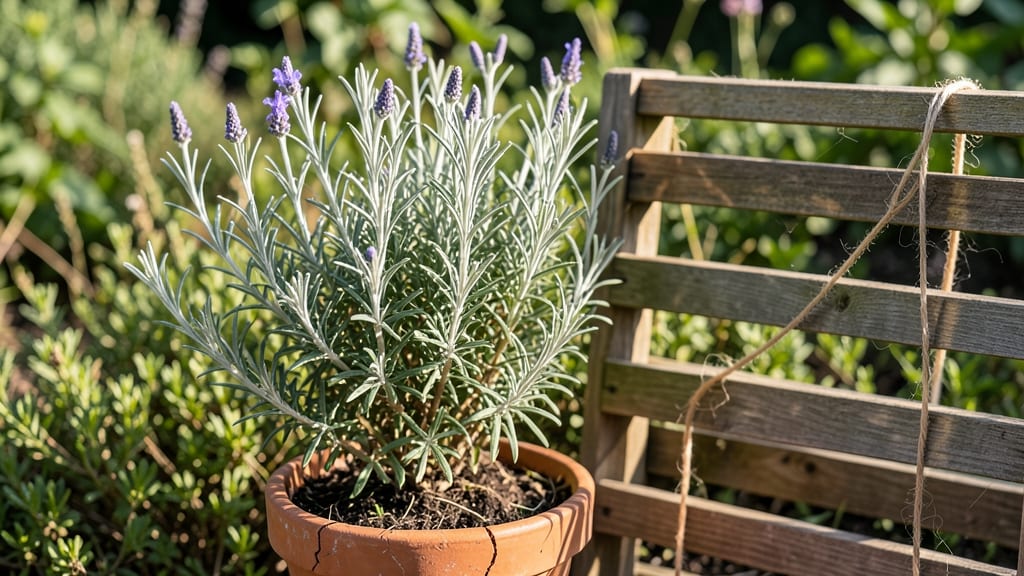
Drying rosemary naturally turns your garden harvest into fragrant, long-lasting bundles that outperform store-bought herbs. ✨ The process is simpler than you think—just trim, bundle, and hang in a dry, dark spot.
I’ve dried rosemary this way for years, and the results stay potent for up to a year if stored properly.
Start by harvesting stems in the morning after the dew dries but before the sun peaks. Trim leaves from the lower half of the stems, leaving the top foliage intact for a tidy bundle.
Tie 3-5 stems together with twine or a rubber band, then hang upside down in a warm, dry place like a pantry or closet. Avoid direct sunlight, which can bleach the color and reduce potency.
In about 2-3 weeks, the leaves will crumble easily between your fingers—signs your rosemary is perfectly dried. Store in an airtight container away from light to preserve flavor and color. The dried sprigs are perfect for cooking, potpourri, or even homemade herbal sachets for closets.
If mold appears or drying feels uneven, increase airflow or try a slightly warmer spot. Overly humid conditions are the main culprit, so a fan on low can help in damp climates. Once dried, your rosemary will be ready to elevate dishes or add a rustic touch to any space.
📚 In This Guide
- What you need
- Instructions
- Tips and common mistakes
- Wrapping up and next steps
What you need
- ● Fresh rosemary sprigs: 1–2 medium bunches (about 10–15 stems per bunch, 6–8 inches long each). Choose thick, woody stems for better hanging durability.
- ● Twine, string, or rubber bands: 1–2 feet (30–60 cm) of natural fiber twine or kitchen twine (avoid plastic—it can trap moisture).
- ● Scissors or pruning shears: A pair of clean, sharp scissors to trim stems to your desired length.
- ● Drying location: Option 1: Dark, well-ventilated space (e.g., pantry, closet, or under a cabinet with a fan).
- ● Option 2: Sunny windowsill (if your climate is dry and warm, but avoid direct sunlight for too long to prevent browning).
- ● Paper bag or airtight container: For storage once dried (e.g., a brown paper lunch bag, mason jar, or resealable plastic bag with holes punched in it).
- ● Desiccant packets: 1–2 small silica gel packets (place in storage container to absorb excess moisture).
- ● Label or tag: A small piece of paper or a label maker to note the drying date and variety.
- ● Clipboard or drying rack: If hanging isn’t an option, a small rack or clipboard with holes can hold stems horizontally for airflow.
- ● Food dehydrator: For faster drying (set to 95–115°F/35–46°C for 2–4 hours).
Step-by-step instructions for drying rosemary naturally
Here's how I preserve rosemary's rich flavor for months—no fancy equipment needed.
🌿 Step 1: Harvest at Peak Freshness
Pick rosemary stems on a dry morning after the dew has evaporated. Look for woody stems with small, green leaves—they'll dry best. Cut just above a leaf joint to encourage bushier growth. I always harvest 4-6 inches of stem per bundle because longer stems create better air circulation during drying.
Shake off excess dirt and rinse the stems under cool water if needed. Pat dry with a clean towel or paper towels—moisture speeds up mold and ruins your dried herbs. Work quickly so the leaves don't wilt before you bundle them.
🪴 Step 2: Bundle Stems for Hanging
Take 3-4 stems and tie them together at the top with twine or rubber bands. Space the stems evenly so they form a loose bundle—too tight prevents air from circulating. I like to wrap the twine around the stems twice for security, but don't pull it so tight you crush the stems.
Repeat until you've bundled all your rosemary. For 4 bundles, you'll need about 16-20 stems total. Hang each bundle upside down in a dry, dark, well-ventilated spot—a pantry, closet, or basement works perfectly. Avoid direct sunlight or heat sources like ovens or radiators.
💧 Step 3: Dry for 2-4 Weeks
Check your bundles after 7 days. The rosemary is ready when the leaves crisple easily between your fingers and pull away from the stem with minimal resistance. If they're still flexible, give them another 7-10 days—patience here makes all the difference.
I know it's tempting to speed things up with an oven or dehydrator, but natural drying preserves the most flavor. If you notice any mold or musty smells, remove those bundles immediately—they'll spoil the rest. Most bundles finish drying in 2-4 weeks, depending on your home's humidity.
✂️ Step 4: Store Properly for Long-Lasting Flavor
Once fully dried, strip the leaves from the stems by rubbing them between your palms. Store the leaves in airtight glass jars or resealable bags. Label each with the date—freshly dried rosemary keeps its flavor for 6-12 months when stored in a cool, dark place.
For whole sprigs, simply remove the twine and place them in jars. They'll keep for 3-6 months but lose potency faster than stripped leaves. Use your dried rosemary in cooking within a year for the best flavor—after that, it's still safe but tastes more like hay.
Tips & tricks for perfectly dried rosemary
Between us, these little details make all the difference when preserving rosemary's vibrant flavor.
Harvesting Timing: Always pick rosemary on a dry morning after dew has evaporated. The leaves should be bright green and firm—wilting means they've lost moisture and won't dry properly. I've learned the hard way that harvesting after rain or late in the day leads to moldy bundles. Cut stems just above a leaf joint to encourage new growth, and work quickly to prevent wilting before bundling.
Bundling Technique: The secret to even drying lies in proper spacing—3-4 stems per bundle with loose spacing creates optimal air circulation. Too tight, and you'll end up with unevenly dried leaves. I like to use rubber bands instead of twine because they're easier to remove later, and they don't leave marks on the stems. For extra security, wrap the rubber band twice around the bundle.
Drying Environment: Your drying spot needs three key things: dryness, darkness, and ventilation. A pantry or closet works perfectly, but avoid areas with moisture like bathrooms. I've had the best luck hanging bundles near an open window (but not in direct sunlight) where air can circulate gently. If you notice any mold developing, remove those bundles immediately—they'll spoil the rest.
Storage Wisdom: Once dried, strip the leaves carefully to preserve their delicate texture. Store them in small glass jars (they fill faster than you think!) and label with the date. The first 6 months will give you the most potent flavor, but you can extend that to 12 months if stored in a completely dark, cool place. For whole sprigs, remove the rubber band and store them in larger jars—they'll keep for 3-6 months but lose potency faster.
Pro Tips for Dry Rosemary Naturally
- Between us, these little details make all the difference when preserving rosemary's vibrant flavor.
- Harvesting Timing: Always pick rosemary on a dry morning after dew has evaporated.
- Bundling Technique: The secret to even drying lies in proper spacing—3-4 stems per bundle with loose spacing creates optimal air circulation.
Frequently asked questions
Got questions about drying rosemary naturally?
You’re not alone! Here are answers to the most common concerns—from timing to troubleshooting—so you can master the art of preserving this fragrant herb like a pro.
How long does it take to dry rosemary naturally?
Drying rosemary typically takes 1 to 3 weeks, depending on your climate. In warm, dry conditions (60–80°F), it may dry in 10–14 days. Humid or cool weather? Extend the process to 3 weeks or use a dehydrator (2–4 hours at 95°F). Patience is key—rush it, and you risk mold or loss of flavor!
Can I speed up the drying process?
Yes! While natural drying is best for flavor, you can shorten the time with these tricks:
- Dehydrator: Set to 95°F for 2–4 hours (check stems for crispiness).
- Oven: Use the lowest setting (170°F) with the door cracked open for 1–2 hours.
- Fan method: Place bundles near a gentle fan (not direct airflow) to circulate air.
What if my rosemary gets moldy before drying?
Mold is a sign of moisture or humidity. If you spot fuzzy spots:
- Remove the affected sprigs immediately to prevent spread.
- Increase airflow by moving bundles to a dry, dark, well-ventilated spot (e.g., a mesh bag in a breezy closet).
- Try a desiccant like silica gel packets near the bundles.
Can I dry rosemary without hanging it?
If you lack space or prefer alternatives, try these methods:
Method
How-To
Timeframe
Spread on a screen/tray
Lay stems in a single layer on a wire mesh screen or baking sheet in a dry, dark place.
2–4 weeks
Paper bag method
Place sprigs in a brown paper bag with holes punched in it, and store in a warm spot.
1–2 weeks
Microwave (last resort!)
Wrap stems in a paper towel and microwave on low (30% power) for 1–2 minutes.
5–10 minutes
How do I know when rosemary is fully dried?
Rosemary is ready when:
- The stems snap easily (not bend).
- The leaves are crisp and brittle, crumbling slightly when rubbed between fingers.
- No moisture remains—no dampness when you gently squeeze a stem.
Wrapping up and next steps
Drying rosemary naturally is a simple, rewarding way to preserve its vibrant flavor and aromatic magic for months! Whether you’re hanging bundles, using a dehydrator, or leveraging air-drying techniques, the key is patience and proper airflow.
With just a few tools and a little time, you’ll unlock a pantry staple that elevates everything from roasted meats to homemade bread.
Now that you’re ready to dry rosemary like a pro, why not experiment with recipes? Try infusing olive oil with your dried sprigs for a fragrant touch, or sprinkle it over homemade soups and stews. Your kitchen—and taste buds—will thank you! 🌿✨