
Picking
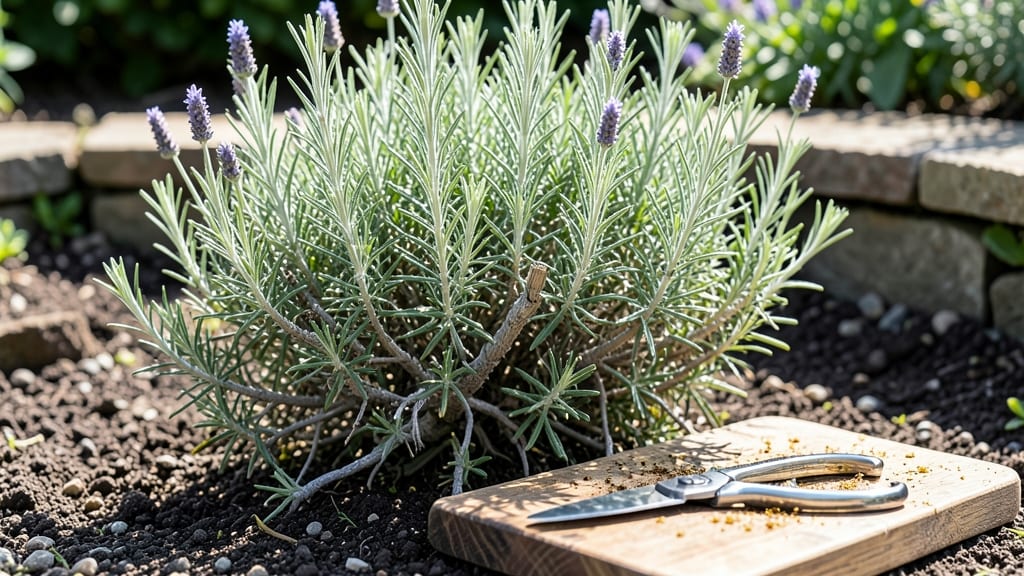
The best way to harvest rosemary is simple: use the pinch-and-twist method on young stems. ✂️ I’ve learned that harvesting this way keeps the plant bushier, produces fresher sprigs, and encourages more growth than cutting whole branches.
The key is timing—harvest just before flowering when the oils are most concentrated, and you’ll get the most aromatic sprigs for cooking or ornamental use.
You only need two tools: clean pruning shears and a small container for storage. Avoid harvesting more than one-third of the plant at once, as rosemary is slow to recover from heavy pruning.
Focus on the newest growth—these stems are tender, flavorful, and regenerate quickly. For propagation, cut 4-6 inch stems and root them in soil for new plants.
After harvesting, strip the leaves from the woody stems and store them in the fridge for up to 2 weeks or dry them for long-term use. The pinch-and-twist method ensures you get fresh, vibrant sprigs without sacrificing the plant’s health.
It’s a sustainable way to enjoy rosemary all season long, whether you’re seasoning dishes or arranging bouquets.
This technique works year-round, though spring and summer yields are the most abundant. If you’re growing rosemary in pots, harvest lightly in winter to avoid stressing the plant. With this method, your rosemary will stay lush, productive, and full of flavor for years.
📚 In This Guide
- What you need
- Instructions
- Tips and common mistakes
- Wrapping up and next steps
What you need
- ● Pruning shears or sharp scissors: Clean, sharp tools (preferably sterilized with rubbing alcohol) to make precise cuts without damaging the plant.
- ○ Gloves (optional but recommended): Nitrile or gardening gloves to protect your hands from prickly stems and sap.
- ● Paper bag or breathable container: A brown paper bag or mesh produce bag to store harvested stems and maintain freshness.
- ○ Water spray bottle (optional): For a quick rinse if your rosemary has dust or debris.
- ● Mature rosemary plant: Harvest only from healthy, established plants (at least 6–12 months old) with woody stems.
- ● Dry weather: Avoid harvesting after rain or watering to prevent mold or mildew on the stems.
- ● Morning sunlight: Harvest in the early morning when essential oils are at their peak potency.
Step-by-Step instructions for harvesting rosemary
Here's how to harvest rosemary like a pro—keeping your plant thriving while getting the freshest, most flavorful stems.
🌿 Step 1: Identify Healthy Stems for Harvesting
Look for woody stems with green growth at the tips—these are the parts you want. Avoid harvesting stems that are completely brown or woody, as they won’t regrow well. The best stems are those that are about pencil-thick and have at least 3-4 inches of new growth.
Run your fingers along the stem to check for flexibility. If it snaps easily, it’s ready for harvest. If it feels rigid, wait another week or two. The key is to harvest just before the stem starts to harden—this ensures your plant keeps producing tender, flavorful new growth.
✂️ Step 2: Use the Pinch-and-Twist Method
Pinch the stem between your thumb and forefinger, about ¼ inch above a leaf node (the small bump where leaves grow out). This encourages the plant to branch out and grow fuller. Twist gently until the stem snaps cleanly—you’ll hear a faint pop when it’s done right.
Don’t cut with scissors unless you’re harvesting very thick stems. The pinch-and-twist method prevents tearing and keeps the plant healthy. If you do use scissors, make a clean cut at a 45-degree angle to prevent water from pooling on the stem, which can cause rot.
🌱 Step 3: Harvest Strategically for Long-Term Growth
Focus on harvesting from the outer edges of the plant first. This prevents overcrowding in the center and encourages bushier growth. Leave the center stems until they’ve grown at least 6 inches tall—these are the plant’s energy reserves.
Harvest no more than ⅓ of the plant at one time, especially if it’s young or small. A mature rosemary plant can handle more frequent harvesting, but even then, give it time to recover. The goal is to keep the plant looking full and healthy, not to strip it bare.
💧 Step 4: Post-Harvest Care for Your Rosemary Plant
After harvesting, give your rosemary a light watering if the soil feels dry to the touch. Rosemary is drought-tolerant, but it appreciates a drink after being trimmed. Avoid overwatering—soggy soil can lead to root rot, especially in containers.
Place the harvested stems in a jar of cool water (change it every 2-3 days) to keep them fresh. If you’re using them immediately, strip the leaves off the stems and use them in cooking or garnishes. For long-term storage, hang the stems upside down in a dry, dark place for 1-2 weeks to dry completely before storing.
☀️ Step 5: Monitor for Regrowth and Adjust Harvesting
Check your rosemary plant every 2-3 weeks for new growth. If you see fresh green shoots emerging from the leaf nodes, your plant is recovering well. If growth is slow, it might need more sunlight (6+ hours daily) or well-draining soil.
In colder climates, reduce harvesting in late fall and winter. Rosemary grows more slowly in cooler months, and over-harvesting can stress the plant. With the right care, your rosemary will keep producing fresh, aromatic stems for years—making it one of the most rewarding herbs to grow.
Tips & tricks for perfect rosemary harvesting
These pro-level insights will help you maximize your rosemary's yield while keeping your plant thriving for years.
The Leaf Node Location: When harvesting in Step 2, focus on the uppermost leaf nodes—these are where new growth emerges most vigorously. The ¼-inch rule above the node is critical because it leaves enough stem to support new shoots. I've found that harvesting just above the node encourages branching, giving you a bushier plant over time. This technique mimics how rosemary grows naturally in Mediterranean climates.
Seasonal Harvesting Strategy: In Step 5, you'll notice rosemary grows most vigorously during spring and summer months. That's when you can harvest more frequently—every 2-3 weeks—but always limit yourself to ⅓ of the plant at a time. During fall and winter, reduce harvesting to every 4-6 weeks to let the plant conserve energy. The plant's natural growth cycle is your best guide here.
Storage Wisdom: After harvesting, if you're not using the stems immediately, the 2-3 day water change in Step 4 is non-negotiable. I've seen rosemary lose its vibrant green color in just 48 hours when left in stagnant water. For long-term storage, bundle stems with rubber bands and hang them in a dark, well-ventilated area. This traditional drying method preserves the essential oils that give rosemary its signature aroma.
Pro Tips for Best Way To Harvest Rosemary
- These pro-level insights will help you maximize your rosemary's yield while keeping your plant thriving for years.
- The Leaf Node Location: When harvesting in Step 2, focus on the uppermost leaf nodes—these are where new growth emerg...
- Seasonal Harvesting Strategy: In Step 5, you'll notice rosemary grows most vigorously during spring and summer months...
Frequently asked questions
Got questions about harvesting rosemary like a pro? You’re not alone! Here are some of the most common queries—plus straightforward answers to keep your plants thriving and your kitchen stocked with flavor.
When is the best time to harvest rosemary?
The ideal time to harvest rosemary is in the morning after the dew has dried but before the heat of the day sets in. This ensures the oils in the leaves are at their peak potency. Avoid harvesting after rain, as damp stems can encourage rot or mold.
Can I cut rosemary too much at once?
Yes—over-harvesting can stress your plant. Never take more than one-third of the plant in a single session. Focus on pruning woody stems first, then trim back the new growth. This encourages bushier, healthier growth and prevents damage.
What if my rosemary turns brown after harvesting?
Brown tips or stems are normal if you harvest too late in the day or from overripe branches. To prevent this, always cut just above a leaf node (where new growth emerges). Store harvested sprigs in the fridge wrapped in a damp paper towel to keep them fresh for up to a week.
How do I harvest rosemary for cooking vs. drying?
For cooking, harvest young, tender stems with soft leaves—they release flavor best when fresh. For drying, pick older, woody stems with mature leaves. Bundle and hang them upside down in a warm, dark place for 2–3 weeks until crisp.
Can I harvest rosemary in winter?
Yes, but with caution! If your rosemary is outdoors in a cold climate, wait until spring to harvest. For potted rosemary indoors, keep it in a sunny spot and harvest lightly—just enough for small batches of cooking. Avoid heavy pruning, as winter growth is slower.
Wrapping up and next steps
Harvesting rosemary at its peak—using the pinch-and-twist method—ensures flavorful, fragrant stems that elevate your dishes. Remember to harvest in the morning, avoid over-trimming, and store properly for lasting freshness. With these tips, you’re ready to turn your kitchen into a culinary haven! 🌿✨
Now that you’re a rosemary harvesting pro, try it in your next recipe—whether it’s roasted meats, homemade bread, or infused oils. Happy harvesting! 🍽️💚