
Blooming
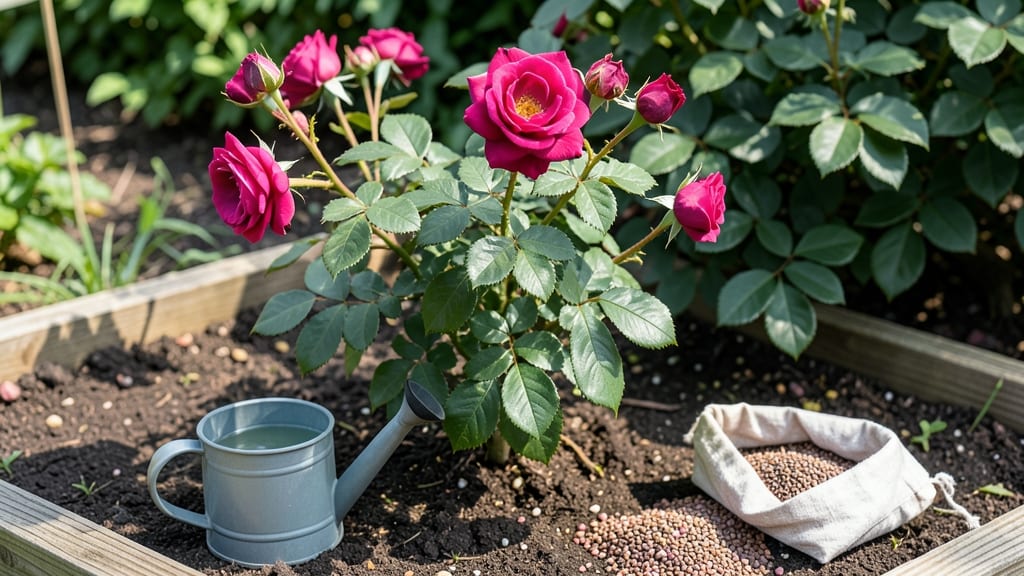
Getting more blooms on roses isn’t about luck—it’s about two simple habits: deadheading and feeding. ✂️ Last summer, my roses went from a handful of blooms to a nonstop explosion of color just by cutting back spent flowers and giving them the right nutrients.
The difference was shocking. Most gardeners skip deadheading because it feels tedious, but it’s the secret to forcing roses to produce more buds. Pair that with the right fertilizer—whether organic compost or balanced rose food—and you’ll see new growth within weeks.
I’ve even turned my once-sparse bushes into the envy of the neighborhood. By the end of the season, you’ll have vibrant blooms from spring through frost, with fewer leggy stems and more compact, bushy growth.
The key is consistency: a little pruning here, a little feeding there, and your roses will reward you with color you never thought possible. This works for hybrid teas, floribundas, and even climbing roses. Let’s get those blooms going!
📚 In This Guide
- What you need
- Instructions
- Tips and common mistakes
- Wrapping up and next steps
What you need
- ● Pruning shears or bypass pruners – Sharp, clean blades (avoid dull tools that crush stems). Quantity: 1 pair.
- ● Gloves – Heavy-duty garden gloves (thorns are no joke!). Quantity: 1 pair.
- ● Rose fertilizer – A balanced, bloom-boosting formula (look for a 10-10-10 or 5-10-5 NPK ratio). Quantity: 1 bag (or liquid concentrate).
- ● Compost or organic matter – Well-aged compost or worm castings to enrich soil. Quantity: 2–3 gallons per plant.
- ● Mulch – Organic mulch (straw, pine bark, or shredded leaves) to retain moisture. Quantity: 2–3 inches per plant.
- ● Watering can or hose with a gentle nozzle – Avoid blasting stems to prevent disease.
- ○ Disinfectant (optional but recommended) – Rubbing alcohol (70% isopropyl) or a pruner sterilizer to prevent spreading disease between cuts.
- ● Epsom salt – Magnesium sulfate (1 tablespoon per gallon of water) for magnesium deficiency fixes. Use sparingly!
- ● Slow-release rose fertilizer spikes – Convenient for timed nutrient release.
- ● Plant supports (stakes or cages) – Helps heavy-blooming varieties stay upright.
- ● pH test kit – Roses thrive in slightly acidic soil (pH 6.0–6.5).
- ● Neem oil or fungicide – For prevention of black spot or powdery mildew.
Step-by-Step instructions for encouraging more rose blooms
Here's how I transform my roses from occasional bloomers to nonstop color factories—no fancy tools required.
🌿 Step 1: Deadhead Properly for Continuous Flowering
Deadheading isn't just cutting off dead flowers—it's telling your rose bush, "Keep making more!" The key is timing: snip the stem just above a set of five leaflets (about ¼ inch below where the bloom was). This ensures the plant has energy reserves to grow new buds.
I use clean, sharp pruners to avoid tearing stems. Watch for new side shoots forming at the cut—these are your future blooms. If you see a bud forming at the base of the stem, leave it alone; that's where your next flower will come from. Deadhead every 3-5 days during peak bloom season to keep the plant focused on production.
☀️ Step 2: Feed with the Right Rose Fertilizer
Roses are heavy feeders, but timing matters more than quantity. I use a balanced rose fertilizer (10-10-10) applied every 4-6 weeks during the growing season. The first feeding goes in early spring when new growth appears, and the last one happens 6-8 weeks before your first frost.
Here's the trick: mix the fertilizer with water and apply it to the soil—not the leaves. Water the plant thoroughly first to prevent root burn. You'll know it's working when you see fresh, vibrant green leaves appearing between the old ones. Avoid high-nitrogen fertilizers—they encourage leafy growth at the expense of flowers.
💧 Step 3: Water Deeply and Consistently
Roses need 1-1.5 inches of water weekly, but shallow watering leads to weak stems and fewer blooms. I water at the base of the plant in the early morning, letting the soil absorb moisture for 6-8 hours before the heat of the day. You'll know you're doing it right when the top 2-3 inches of soil stay moist but not soggy.
Mulch around the base with 2-3 inches of organic mulch to retain moisture and regulate soil temperature. This prevents stress that can cause buds to drop. If your roses start dropping buds before opening, you're either underwatering or overwatering—check the soil moisture and adjust accordingly.
✂️ Step 4: Prune for Better Airflow and Light
Pruning isn't just about shaping—it's about letting sunlight and air reach the center of the bush. In late winter or early spring, cut back ⅓ of last year's growth to encourage new, vigorous shoots. Remove any crossing branches or stems growing inward to prevent disease.
Look for "thorns" that aren't producing flowers—these are often old, woody stems that drain energy. Cut them out completely. You'll see new growth emerging from the base within 2-3 weeks if you've pruned correctly. This fresh growth is where your most abundant blooms will come from.
🌱 Step 5: Protect from Stressors That Reduce Blooming
Roses are sensitive to sudden changes. Avoid moving them to a new location mid-season, as this can cause them to drop buds. If you notice leaves curling or wilting, check for pests like aphids or spider mites—these sap-suckers weaken plants and reduce flowering.
I also keep an eye out for fungal diseases like black spot, which can appear as dark spots on leaves. Remove affected leaves immediately and apply a fungicide if needed. Healthy foliage means more energy for blooms. With consistent care, your roses will reward you with continuous color from early summer until frost.
Tips & tricks for encouraging nonstop rose blooms
These small adjustments make all the difference between occasional blooms and a garden bursting with color.
Precision Deadheading: In Step 1, when you're deadheading, look for the first set of five leaflets below the bloom—this is your target cutting point. I've found that using clean pruners and making cuts at a 45-degree angle helps water run off better, preventing rot. The key is consistency: if you miss even one dead bloom, the plant puts energy into seed production instead of new flowers.
Fertilizer Timing: The 4-6 week feeding schedule in Step 2 is crucial, but the real secret is the timing. I start fertilizing when I see the first new growth in spring, and stop exactly 6-8 weeks before frost. This gives the plant time to harden off for winter. If you fertilize too late, you'll encourage tender new growth that won't survive cold temperatures.
Watering Technique: For the 1-1.5 inches of weekly water in Step 3, I use a rain gauge to measure exactly. Watering deeply at the base (not the leaves) prevents fungal diseases. The 6-8 hour absorption window is critical—this lets water penetrate deeply to the roots where it's needed most. You'll know you're doing it right when the soil stays moist 2-3 inches down but doesn't feel soggy.
Pruning Insight: When you're cutting back ⅓ of last year's growth in Step 4, look for outward-facing buds when making your cuts. These will grow into stronger stems that produce more flowers. I've noticed that cutting just above an outward-facing bud gives me more blooms on the outside of the bush where I can see them better.
Pro Tips for Get More Blooms On Roses
- These small adjustments make all the difference between occasional blooms and a garden bursting with color.
- Precision Deadheading: In Step 1, when you're deadheading, look for the first set of five leaflets below the bloom—this is your target cutting point.
- Fertilizer Timing: The 4-6 week feeding schedule in Step 2 is crucial, but the real secret is the timing.
Frequently asked questions
Why aren’t my roses blooming as much as they used to?
Overpruning, poor nutrition, or inconsistent watering can reduce blooms. Roses need balanced fertilization (especially phosphorus for flowers) and regular deadheading. Check for pests/diseases too—aphids or black spot can stress plants. If your roses are older, they may naturally slow down after 5–7 years.
When is the best time to deadhead roses for more blooms?
Deadhead right after blooms fade (but before seed pods form) to encourage new growth. For repeat-blooming varieties, do this throughout the growing season (spring to early fall). Avoid cutting into old wood—stick to leafy stems just above a set of 5 leaves. Late-season deadheading (after August) may delay winter hardening.
Do I need expensive fertilizer for more rose blooms?
Not necessarily! Look for a balanced rose fertilizer (e.g., 10-10-10 or 5-10-5) with phosphorus (P) to boost flowers. Organic options like bone meal or composted manure work too. Consistency matters more than cost—follow label instructions for timing (usually every 4–6 weeks during bloom season).
Can I use coffee grounds or eggshells to get more rose blooms?
Yes! Both are great organic amendments:
- Coffee grounds: Add nitrogen (N) to soil, but use sparingly (1 cup per plant every few months) to avoid acidity buildup.
- Eggshells: Crush and compost them—they add calcium, which prevents blossom end rot. Mix into soil or place crushed shells around the base.
My roses have buds, but they drop before opening. What’s wrong?
Bud drop usually means stress—check for:
- Underwatering or overwatering (roses hate soggy roots).
- Extreme temps (hot days + cold nights).
- Pests (thrips, spider mites) or disease (powdery mildew).
- Nutrient deficiencies (especially boron or phosphorus).
Wrapping up and next steps
Getting more blooms on your roses is all about consistent care—deadheading spent blooms, feeding them right, and keeping their environment healthy. With patience and the right techniques, your roses will reward you with nonstop color all season long! 🌸
Now that you’re armed with the know-how, start small: pick one or two methods to implement this week—whether it’s pruning, fertilizing, or adjusting sunlight. Before you know it, your garden will be bursting with vibrant, blooming roses that turn heads (and maybe even inspire your neighbors!). Happy gardening! 🌿