
Shrubs
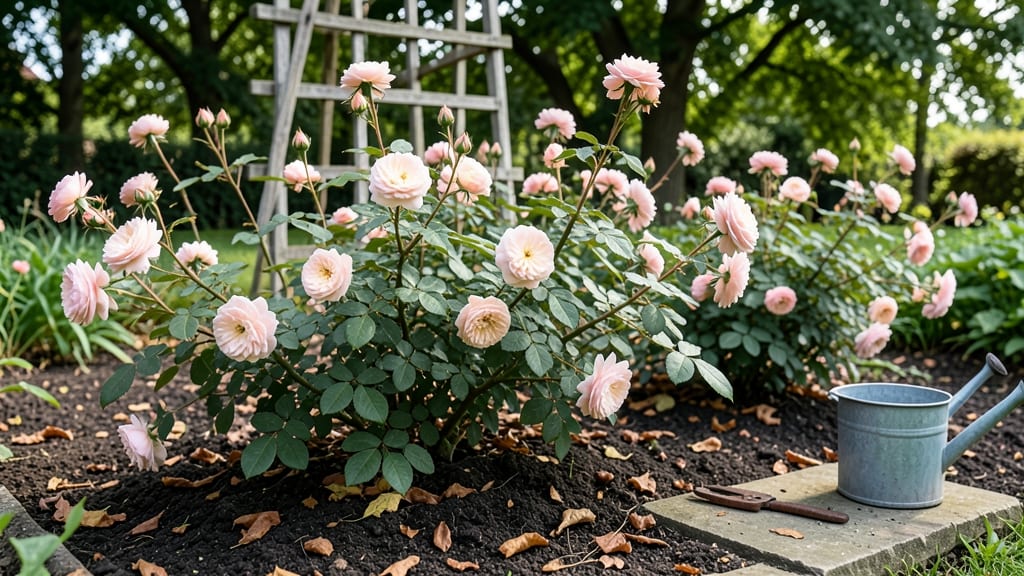
Nothing beats the golden glow of an old-fashioned yellow rose bush in full bloom, its petals heavy with vintage charm and intoxicating fragrance. 🌼 I fell for these roses when I discovered how their disease-resistant varieties outlast modern hybrids while offering that classic, old-world beauty—just like my great-grandmother’s garden.
These roses thrive with 6+ hours of sunlight daily, well-drained soil, and regular deadheading to coax continuous blooms. Varieties like 'Canary Bird' and 'New Dawn' are standouts, but even beginner gardeners can grow them with basic care.
The secret? Prune strategically in early spring and fall, and watch them reward you with year-round color—if you keep up with those deadheading tricks.
📚 In This Guide
- What you need
- Instructions
- Tips and common mistakes
- Wrapping up and next steps
What you need
- ● Rose Bush: A heirloom yellow rose variety (e.g., 'Canary Bird,' 'New Dawn,' or 'Texas Yellow'), purchased as a bare-root plant or potted shrub (1-3 years old).
- ● Garden Soil: Well-draining, nutrient-rich soil (amend with compost or aged manure if your soil is heavy clay or sandy).
- ● Fertilizer: Balanced rose fertilizer (10-10-10 or 5-10-5 NPK ratio) for planting.
- ● Slow-release organic fertilizer (e.g., rose food or compost tea) for ongoing care.
- ● Mulch: Organic mulch (e.g., wood chips or straw) to retain moisture and suppress weeds (2-3 inches thick).
- ● Watering Can or Hose: With a gentle spray nozzle for hydration.
- ● Pruning Shears: Sharp, sterilized bypass pruners (for deadheading and shaping).
- ● Gloves: Heavy-duty gardening gloves to protect from thorns.
- ● Rose Trellis or Support: For climbing varieties (e.g., 'New Dawn').
- ● Epsom Salt: Magnesium sulfate (1 tbsp/month in water) to boost bloom production.
- ● Pest Control: Neem oil or insecticidal soap for aphids/rose slugs.
- ● Soil pH Test Kit: Ideal pH for roses is 6.0–6.5 (adjust with lime or sulfur if needed).
- ● Drip Irrigation System: For consistent moisture (especially in hot climates).
Step-by-step instructions for planting and caring for old fashioned yellow rose bushes
Here's how I transform bare-root bushes into vibrant, repeat-blooming shrubs that fill the garden with color.
🌱 Step 1: Choose the Perfect Planting Location and Prepare the Soil
Old fashioned yellow roses thrive in full sun—select a spot that receives at least 6-8 hours of direct sunlight daily. I always test the area by observing how sunlight moves across the ground throughout the day. Morning sun paired with afternoon shade works best in hot climates to prevent leaf scorch.
Before planting, enrich the soil with a 3-inch layer of compost mixed into the top 12 inches of native soil. These roses prefer well-draining, slightly acidic soil with a pH between 6.0 and 6.5. I test my soil with a simple kit and amend with sulfur if needed. The hole should be twice as wide as the root ball but only as deep—planting too deep suffocates the graft union.
🪴 Step 2: Plant Your Bush with Proper Spacing and Support
Space your bushes 3-4 feet apart to allow for airflow and future growth. I dig a hole large enough to accommodate the roots without crowding, then gently loosen any circling roots with my fingers. For bare-root plants, soak the roots in lukewarm water for 1-2 hours before planting to revive them.
Place the bush in the hole so the graft union sits 1-2 inches above soil level—this prevents it from being buried and rotting. Backfill with native soil mixed with compost, pressing gently to eliminate air pockets. Immediately install a 5-foot tall stake and secure the main stem with soft plant ties. Water deeply to settle the soil and encourage root establishment.
☀️ Step 3: Water Deeply and Establish a Consistent Routine
After planting, water deeply every 2-3 days until new growth appears—this encourages deep root development. You'll know the roots are establishing when you see new leaves unfurling within 4-6 weeks. I water at the base rather than overhead to prevent fungal diseases like black spot, which yellow roses are particularly susceptible to.
Once established, water 1 inch per week, adjusting for rainfall. The soil should feel damp 2 inches below the surface but never soggy. Mulch around the base with 2-3 inches of organic mulch (like shredded bark) to retain moisture and regulate soil temperature. Keep mulch 6 inches away from the stem to prevent rot.
✂️ Step 4: Prune for Health and Encourage Continuous Blooms
Prune your rose bush twice a year: once in late winter or early spring before new growth begins, and again after the first flush of blooms in summer. For spring pruning, remove dead, diseased, or crossing branches, then cut back remaining stems by one-third to encourage bushier growth. Always make cuts at a 45-degree angle just above an outward-facing bud.
For deadheading, snip spent blooms back to the first five-leaflet leaf below the bloom. This redirects energy into new flower production and prevents seed formation. I deadhead every 2-3 days during peak bloom season to maintain a steady display. In fall, remove all dead or weak growth but leave healthy stems intact for winter protection.
🌿 Step 5: Fertilize and Protect for Year-Round Success
Feed your roses every 4-6 weeks during the growing season with a balanced rose fertilizer (10-10-10 or similar). I apply fertilizer in early spring, mid-summer, and early fall, always watering deeply before and after to prevent root burn. Yellow roses respond well to organic options like fish emulsion or compost tea, which also improve soil structure.
Protect your bushes from pests like aphids and Japanese beetles with neem oil sprays or insecticidal soap. I inspect leaves weekly for signs of infestation—look for sticky residue (honeydew) or chewed foliage. In colder climates, mound 4-6 inches of soil or mulch around the base for winter protection, and cover with burlap if temperatures drop below 10°F.
Tips & tricks for perfect old fashioned yellow rose bushes
These simple secrets will help you grow vibrant, healthy yellow roses that bloom beautifully all season long.
Sunlight Strategy: The 6-8 hours of daily sunlight is non-negotiable, but here's what I've learned: In hot climates, morning sun with afternoon shade prevents leaf scorch. I test potential spots by observing sunlight patterns throughout the day—this helps me avoid those "perfect-looking" spots that actually get afternoon shade. For containers, rotate your pots every few days to ensure even exposure.
Root Revival Technique: That 1-2 hour soak for bare-root plants is crucial, but don't just dunk them in water. Use lukewarm water (not cold) and add a root stimulator like mycorrhizal inoculant if available. I also trim any damaged roots with clean pruners before soaking—this prevents rot and gives your plant a fresh start. The roots should feel plump and flexible when ready to plant.
Pruning Precision: When deadheading those five-leaflet leaves, I look for the first healthy leaf below the bloom—this is where new growth will emerge. For spring pruning, I make my one-third cuts just above outward-facing buds to encourage bushier growth. A sharp pair of pruners is essential—dull blades crush stems and invite disease. I always sterilize my tools with rubbing alcohol between cuts.
Winter Protection Hack: In colder climates where temperatures drop below 10°F, I don't just mound soil—I create a protective dome using burlap wrapped around the bush and secured with twine. This creates an insulating air pocket while allowing some airflow. For extra protection, I add a layer of straw or leaves on top of the mound to lock in warmth. This simple technique has saved my roses from winter damage multiple times.
Pro Tips for Old Fashioned Yellow Rose Bush
- These simple secrets will help you grow vibrant, healthy yellow roses that bloom beautifully all season long.
- Sunlight Strategy: The 6-8 hours of daily sunlight is non-negotiable, but here's what I've learned: In hot climates, morning sun with afternoon shade prevents leaf scorch.
- Root Revival Technique: That 1-2 hour soak for bare-root plants is crucial, but don't just dunk them in water.
Frequently asked questions
Got questions about nurturing your old-fashioned yellow rose bush? You’re not alone! Here are some of the most common queries—plus quick, practical answers to keep your blooms thriving.
How often should I deadhead yellow roses for continuous blooms?
Deadhead every 2–3 days during peak bloom season (spring to fall) to encourage more flowers. Snip just above a 5-leaflet leaf or outward-facing bud—this redirects energy to new growth. Pro tip: Use clean, sharp pruners to avoid disease.
Why aren’t my yellow roses blooming as much as they used to?
Lack of blooms often signals over-fertilizing (too much nitrogen), poor sunlight (<6 hours/day), or dormant-season neglect. Check for:
- Thin or leggy stems? Prune in late winter to open the center.
- Brown buds? Fungal issues—spray with neem oil or copper fungicide.
- No buds at all? They may need less water (yellow roses hate soggy roots!).
Do old-fashioned yellow roses survive winter in cold climates?
Yes! These hardy bushes tolerate USDA Zones 4–9 with proper prep. Before frost:
- Mulch heavily (4–6 inches) with straw or shredded leaves.
- Wrap the canes loosely in burlap or frost cloth.
- Avoid pruning until late winter (after the last freeze).
Can I grow yellow roses from seed, or should I buy a bush?
While possible, growing from seed is tricky—most old-fashioned yellow roses are hybrids and won’t true from seed. For reliable results, buy a bare-root or container-grown bush from a nursery. Look for disease-resistant varieties like ‘The Fairy’ or ‘Charles de Mills’ for low-maintenance blooms.
What pests or diseases should I watch for on yellow rose bushes?
Common culprits include:
- Aphids/Japanese beetles: Blast off with water or use insecticidal soap.
- Black spot: Fungal disease causing dark spots. Treat with fungicide and improve airflow.
- Powdery mildew: White dust on leaves? Prune for sunlight and spray with baking soda mix (1 tsp baking soda + 1 quart water + drop of soap).
Wrapping up and next steps
An old-fashioned yellow rose bush isn’t just a burst of sunshine in your garden—it’s a timeless investment in beauty and joy. With the right care, deadheading tricks, and a little patience, you’ll enjoy year-round blooms that brighten every season. 🌸
Ready to transform your yard? Start small—plant one bush, master the deadheading technique, and let its golden charm inspire you to expand your garden oasis. Your future blooms will thank you!
- Next step: Grab your pruners and get pruning!
- Bonus: Share your progress with fellow gardeners—every bloom is a win!