
Pruning
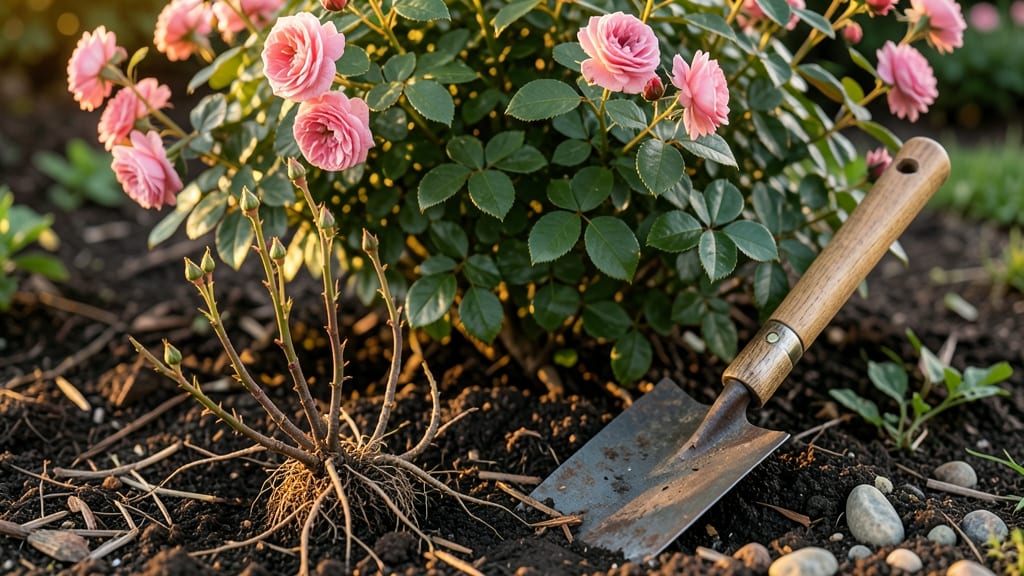
Transforming a rose bush into a stunning rose tree starts with a single cut—and ends with a fragrant, year-round showstopper. ✨ I’ve turned my overgrown Knock Out roses into elegant tree forms, and the difference in blooms and structure is night-and-day.
The key? Pruning at the right time and shaping with intention, whether you’re grafting or training an existing bush.
You’ll need sharp pruners, a sturdy stake for support, and a hardy rootstock (like a rose bush with strong branches) if grafting. Timing matters too: late winter or early spring, when the plant is dormant but ready to burst into growth.
This isn’t just about aesthetics—it’s about encouraging stronger stems and more blooms by redirecting energy upward.
By summer, your rose tree will stand tall with a single, sculpted trunk and cascading blooms. The fragrance alone is worth the effort—imagine walking past and being hit with waves of sweetness. Plus, the structure makes it easier to admire every petal without wrestling with tangled branches.
Works for any rose variety, from climbers to shrubs, and adapts to containers or in-ground planting. Here’s how to shape it like a pro—no green thumb required.
📚 In This Guide
- What you need
- Instructions
- Tips and common mistakes
- Wrapping up and next steps
What you need
- ● Healthy rose bush: Choose a mature, disease-free rose bush with strong canes (at least 3-5 years old). Look for varieties like Knock Out®, David Austin, or Climbing Roses—they’re perfect for shaping into a tree!
- ● Pruning shears: Sharp, bypass pruners (4-6 inch blades) for clean cuts on smaller stems.
- ● Loppers: Heavy-duty bypass loppers (8-12 inch blades) for thicker canes (up to 1.5 inches in diameter).
- ● Pruning saw: A curved-tooth pruning saw for any stubborn, thick branches that won’t yield to loppers.
- ● Disinfectant: Rubbing alcohol (70%+) or a gardening disinfectant spray to sterilize tools between cuts and prevent disease spread.
- ● Garden twine or zip ties: For securing branches during the shaping process.
- ● Rope or thick wire: 3/16-inch to 1/4-inch diameter (for the main trunk support).
- ● Sturdy stake or post: A 4-5 foot wooden or metal stake (1.5-2 inches in diameter) to anchor the rose tree.
- ● Garden gloves: Thick, cut-resistant gloves to protect your hands from thorns.
- ○ Pruning sealant (optional but helpful): Tree wound dressing (like Tanglefoot Tree Wound Pruning Seal) to protect large cuts from pests and disease.
- ● Fertilizer: Balanced rose fertilizer (e.g., Miracle-Gro Rose Food) to boost recovery after pruning.
- ● Mulch: Organic mulch (like wood chips or straw) to retain moisture and protect roots.
- ● Plant support system: A tree collar or spiral stake for extra stability as the rose tree grows.
- ● Spray bottle: For misting cuts with water to prevent drying out.
- ● Notebook & pen: To sketch your pruning plan or track progress!
Step-by-Step guide to crafting a rose tree for continuous blooms
Transform a single rose bush into a stunning, multi-stemmed rose tree with this pruning technique that encourages year-round fragrance and beauty.
🌿 Step 1: Select and Prune Your Base Rose Bush
Choose a healthy, mature rose bush with at least three strong canes that are ½ inch thick or larger. In late winter or early spring, before new growth begins, prune back all but these three main stems, cutting just above a strong outward-facing bud. This creates your "trunk" structure. I like to make these cuts at a 45-degree angle to prevent water from pooling on the wound.
Remove any weak, crossing, or diseased canes completely. The goal is to leave a sturdy, open center that allows air circulation. If your bush has more than three strong canes, you can keep four—but never more than five, or the tree will become top-heavy and unstable. After pruning, give your rose a balanced 10-10-10 fertilizer to support new growth.
✂️ Step 2: Train the Canes into a Tree Form
Once the first flush of new growth appears in spring, select the three strongest canes and tie them together at the base with soft garden twine. This creates the trunk of your rose tree. Leave the top 6-8 inches of each cane untied so they can grow upward naturally. As the canes grow, gently weave them together to form a single, sturdy trunk.
Here's the thing—you'll need to prune back any side shoots that form on the lower 12 inches of the canes. These should be removed completely to encourage a clean, unbranched trunk. Watch for suckers (new growth at the base) and remove them immediately. These compete with your main canes for energy and will weaken your tree structure.
☀️ Step 3: Shape the Canopy for Year-Round Blooms
When your trunk reaches about 24 inches tall, begin shaping the canopy by selecting three to five strong lateral branches from each main cane. These will become your horizontal "arms" that spread outward. Prune back each lateral branch to 6-8 inches to encourage bushier growth. You'll see new buds forming along these branches within 4-6 weeks—this is your signal that the shaping is working.
Continue pruning throughout the growing season to maintain an open, airy canopy. Remove any dead, diseased, or crossing branches immediately. In late summer, give your rose tree a second light pruning to remove spent blooms and encourage a final flush of fall flowers. This keeps the tree blooming well into autumn, extending your fragrance and color season.
💧 Step 4: Maintain Soil, Water, and Fertilizer for Optimal Growth
Rose trees thrive in well-draining soil with a pH between 6.0 and 6.5. Amend your planting area with 2-3 inches of compost and a slow-release rose fertilizer at the start of each growing season. Water deeply once a week during dry spells, ensuring the soil is moist to a depth of 6 inches. You'll know you're watering correctly when the soil feels damp but not soggy—like a wrung-out sponge.
Mulch around the base of your rose tree with 2-3 inches of organic mulch, such as wood chips or straw, to retain moisture and regulate soil temperature. Avoid piling mulch against the trunk, as this can encourage rot. In winter, add an extra 1-2 inches of mulch to protect the roots from freezing temperatures. This extra layer acts like a blanket, keeping the soil consistently cool and moist.
⏰ Step 5: Prune for Seasonal Blooms and Winter Care
In late winter, just as new buds begin to swell, perform a light pruning to remove any dead or weak growth. This is also the time to shape the canopy for the coming season. Cut back any branches that grew too long during the previous year to 6-8 inches from the main trunk. You'll see fresh, vibrant growth emerge within 2-3 weeks—this is your reward for careful pruning.
To encourage year-round blooms, feed your rose tree with a high-phosphorus fertilizer in early spring and a balanced fertilizer in early summer. This two-step approach supports both root development and flower production. In fall, apply a winterizing fertilizer with higher potassium levels to strengthen the plant's cold resistance. With consistent care, your rose tree will reward you with continuous blooms and intoxicating fragrance for years to come.
Tips & tricks for perfect rose tree pruning
Transforming a rose bush into a tree requires patience and precision, but these key strategies will help you avoid common pitfalls and create a thriving, fragrant centerpiece.
Pruning Angle Precision: When making your initial cuts in Step 1, that 45-degree angle isn't just decorative—it's essential. The sloped cut directs water away from the wound, preventing rot that could compromise your tree structure. Use a sharp pruner and cut just above an outward-facing bud to encourage healthy growth. I've found that marking the angle with a pencil on my pruners helps maintain consistency, especially when working with multiple canes.
Trunk Formation Technique: In Step 2, the magic happens when you tie those three canes together. Don't rush this process—take time to weave them gently but firmly with soft garden twine. The goal is to create a single, sturdy trunk, not a bundle. I've learned that leaving the top 6-8 inches untied gives the canes room to grow upward naturally before they start fusing together. This creates a stronger, more stable base for your future canopy.
Canopy Shaping Insight: The 24-inch height target in Step 3 might seem arbitrary, but it's based on rose growth patterns. At this height, you'll have developed enough trunk strength to support lateral branches without toppling. When selecting those three to five strong lateral branches, look for ones growing at a 45-degree angle from the trunk—they'll spread beautifully outward. The 6-8 inch pruning length encourages bushier growth while maintaining balance.
Seasonal Maintenance Strategy: That late summer light pruning in Step 3 is crucial for extending your blooming season. By removing spent blooms and shaping the canopy, you're essentially giving your rose tree a second chance to produce flowers before winter. I've noticed that roses pruned this way often bloom into October or November, depending on your climate. The key is to be gentle—you're not trying to drastically reshape, just encourage new growth.
Pro Tips for Make A Rose Tree
- Transforming a rose bush into a tree requires patience and precision, but these key strategies will help you avoid co...
- Pruning Angle Precision: When making your initial cuts in Step 1, that 45-degree angle isn't just decorative—it's ess...
- Trunk Formation Technique: In Step 2, the magic happens when you tie those three canes together. Don't rush this proc...
Frequently asked questions
Got questions about crafting your own rose tree? Here are answers to the most common ones—so you can grow a stunning, fragrant centerpiece with confidence!
What’s the best time of year to start pruning for a rose tree?
The ideal time is late winter or early spring (just before new growth starts). For repeat bloomers, prune again after the first flush of flowers in mid-summer. Avoid heavy pruning in fall—it can stress the plant before winter.
How much should I trim off my rose bush to shape it into a tree?
Start by removing 1/3 of the plant’s height to create the trunk. Cut back lateral branches to 3-5 buds (about ¼ inch above a bud). For a fuller look, leave 3-5 main branches evenly spaced around the trunk. Thin out crowded stems to improve airflow.
How long does it take for a rose tree to start blooming?
With proper care, you’ll see new blooms within 6–8 weeks after pruning. Established rose trees (3+ years old) may flower year-round if pruned correctly. Patience pays off—first-year trees focus on root growth, so expect lighter blooms.
Can I use any rose variety for a rose tree, or are some better?
Climbing roses (like ‘New Dawn’ or ‘Blaze’) and some hybrid teas or floribundas work well. Avoid shrub roses with dense growth—they’re harder to train into a tree shape. Look for repeat-blooming varieties for continuous flowers.
My rose tree isn’t blooming—what’s wrong?
Check these fixes:
- Over-pruning: Leave at least 3–5 buds per branch.
- Poor sunlight: Roses need 6+ hours of direct sun daily.
- Nutrient deficiency: Feed with rose-specific fertilizer in spring and summer.
- Disease/pests: Inspect for black spot, aphids, or powdery mildew.
If the issue persists, your rose may need rejuvenation pruning (cut back harder in late winter).
Wrapping up and next steps
Creating your own rose tree is a rewarding journey that brings beauty, fragrance, and a touch of nature’s magic to your space! With the right pruning techniques—like thinning out crowded canes, shaping for airflow, and encouraging strong growth—you’ll enjoy year-round blooms and a lush, thriving centerpiece. 🌹✨
Now that you’re armed with the knowledge, roll up your sleeves and get pruning! Start small if you’re new, and don’t forget to celebrate each step—your garden (and future bouquets) will thank you.
Ready for more? Explore advanced grafting techniques or dive into seasonal care tips to keep your rose tree flourishing all year!