
Pruning
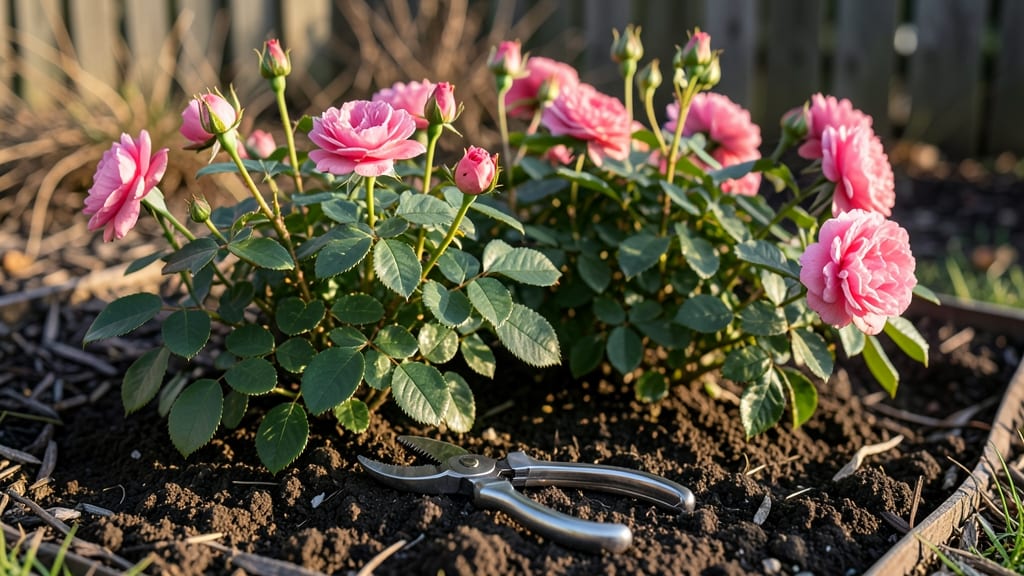
Pruning Double Knock Out roses isn’t just about shaping—it’s about unlocking their year-round blooming potential. 🌹 These roses grow wild if left unchecked, but with three strategic cuts, you’ll transform tangled messes into lush, flowering shrubs that bloom from spring to frost.
I’ve pruned mine for five seasons now, and the difference between before and after is shocking. The secret lies in timing and technique: prune in late winter or early spring when the plant is dormant but the buds are swelling.
You’ll cut back about one-third of the oldest canes to the ground, then trim the remaining branches to open the center for airflow. This isn’t guesswork—it’s a science that rewards patience with hundreds of blooms where there used to be bare stems.
After pruning, your roses will send out fresh, red growth within 10-14 days, and the first wave of blooms arrives in 4-6 weeks. The key is keeping tools sharp, making clean cuts at 45-degree angles, and avoiding the common mistake of leaving stubs.
Disease resistance improves, too—no more black spot or mildew ruining your progress. Works for any Double Knock Out variety, whether you’ve got ‘Radrazz’ or ‘Pink Meidiland.’ Here’s how to do it right the first time—no more hesitation, just confident cuts. Let’s get started!
📚 In This Guide
- What you need
- Instructions
- Tips and common mistakes
- Wrapping up and next steps
What you need
- ● Pruning shears or bypass pruners – Choose sharp, high-quality shears (e.g., Felco or Fiskars) with a 4- to 6-inch blade for precision cuts.
- ● Loppers – For thicker stems (½ inch or larger), opt for bypass loppers with a 10- to 12-inch handle for leverage.
- ● Hand pruners (secateurs) – A backup pair for smaller cuts (e.g., Corona or Gonicc brands).
- ● Garden gloves – Heavy-duty, cut-resistant gloves (e.g., FrogToggs or Dr. McGill’s) to protect against thorns and bacteria.
- ● Disinfectant (rubbing alcohol or bleach solution) – 70% isopropyl alcohol or a 1:9 bleach-to-water mix to sterilize tools between cuts.
- ● Rake or clean-up tool – A small hand rake or leaf blower to clear debris after pruning.
- ○ Garden twine or ties – Optional but helpful for supporting heavy canes post-pruning.
- ● Pruning saw – For extremely thick stems (over 1 inch in diameter).
- ● Plant food or compost – A balanced fertilizer (10-10-10) or compost to nourish roses after pruning.
- ● Mulch – Organic mulch (wood chips or straw) to retain moisture and suppress weeds.
- ● Knee pads or stool – For comfort if your roses are tall or densely planted.
- ● Spray bottle with water – To dampen cuts and reduce stress on the plant.
How to prune Double Knock Out roses for continuous blooms
Double Knock Out roses thrive with three simple cuts—each timed to maximize flowers and plant health.
✂️ Step 1: Early Spring Cleanup Cut (Late February to Early March)
Start by removing all dead, diseased, or crossing branches first. I always grab my pruning shears and scan the plant for any blackened canes or weak growth that crossed over others—these compete for energy and invite pests. Cut these out completely down to the main stem or outward-facing bud.
Next, make your first shaping cut. Remove about one-third of the oldest canes at the base, cutting just above an outward-facing bud. This opens the center for airflow and sunlight. Double Knock Outs bloom on new wood, so don't worry about cutting back flowering stems—just focus on removing the thickest, oldest canes first. You'll know you're on track when the plant's center looks open and airy.
✂️ Step 2: Post-Bloom Summer Thinning (After First Major Flower Wave)
Watch for the first big flush of blooms, then wait until about 75% of the flowers have faded before pruning. This timing ensures you cut back after the plant has already set new flower buds for the next wave. I always grab my gloves and shears, then scan for spent blooms and their accompanying seed pods—these sap suckers drain energy from new growth.
Cut back to the nearest 5-leaflet leaf cluster (a strong growth point) below the faded bloom. This encourages the plant to produce more lateral branches, which in turn means more blooms. Never cut into old wood—always leave a healthy leaf cluster to feed new growth. You'll see new buds forming within 2-3 weeks of this cut.
✂️ Step 3: Light Winter Pruning (Late Fall to Early Winter)
After the first hard frost blackens the foliage, give your roses one final trim. Remove any remaining dead canes or branches that look weak. This is also when I check for any suckers—those aggressive shoots growing from the base or graft union. Cut these out completely to prevent them from stealing energy from your main plant.
For shaping, make minimal cuts—just enough to maintain the plant's form. Double Knock Outs are forgiving, so don't stress about perfect symmetry. Focus on removing any branches that are rubbing against others or growing inward. Leave the rest alone until spring. The goal here is to reduce stress on the plant as it prepares for dormancy, not to reshape aggressively.
⏰ Step 4: Year-Round Maintenance Checks (Monthly)
Between the big cuts, do a quick monthly check for any branches that need trimming. Look for branches that are growing too long, crossing others, or looking weak. Use your shears to nip these back to a strong bud or leaf cluster. This keeps the plant in shape and encourages continuous blooming.
Also, keep an eye out for any signs of disease or pests. If you spot black spots or sawfly larvae, prune those areas immediately and clean your tools with rubbing alcohol to prevent spreading. Healthy roses bloom better, so don't skip this step—even a few minutes a month makes a difference.
Tips & tricks for pruning Double Knock Out roses
Here's what nobody tells you about keeping your Double Knock Out roses blooming like clockwork—these are the secrets that'll transform your garden.
Tool Preparation is Everything: Before you even touch your roses, clean and sharpen your pruning shears with rubbing alcohol and a fine-grit stone. Dull blades crush stems instead of making clean cuts, which stresses the plant and invites disease. I always wipe down my tools between cuts to prevent spreading any potential infections from dead canes to healthy ones—this simple habit keeps your roses thriving for seasons to come.
Bud Selection Matters More Than You Think: When making your cuts in Step 1 and Step 2, always look for outward-facing buds (the ones pointing away from the center of the plant). These grow outward, creating an open, airy center that prevents fungal diseases. I've made the mistake of cutting to inward-facing buds, and within a year, my roses became dense and prone to black spot. That one detail makes all the difference between a healthy plant and one struggling for sunlight.
Timing Your Summer Cuts is Critical: The instructions mention waiting until 75% of flowers have faded, but here's the real secret: Watch for the seed pods to form on spent blooms. These pods signal the plant has already set new buds for the next flush. Cutting too early removes potential blooms, while cutting too late lets the plant waste energy on seed production. I mark my calendar when the first big flush appears and set a reminder for 3 weeks later—that's when I know the pods will be ready.
Winter Pruning is About Prevention: During that final fall trim in Step 3, pay special attention to the base of your plant where suckers often appear. These aggressive shoots grow from the rootstock and can completely take over if left unchecked. I've seen entire rose bushes hijacked by suckers—it's heartbreaking to watch. Cut them out completely at the base, even if it means removing a few inches of stem. Your roses will thank you with stronger blooms next season.
Pro Tips for Prune Double Knock Out Roses
- Here's what nobody tells you about keeping your Double Knock Out roses blooming like clockwork—these are the secrets that'll transform your garden.
- Tool Preparation is Everything: Before you even touch your roses, clean and sharpen your pruning shears with rubbing alcohol and a fine-grit stone.
- Bud Selection Matters More Than You Think: When making your cuts in Step 1 and Step 2, always look for outward-facing buds (the ones pointing away from the center of the plant).
Frequently asked questions
Got questions about keeping your Double Knock Out roses thriving with the perfect prune? You’re not alone! Here are answers to the most common concerns—so you can prune like a pro and enjoy nonstop blooms all season.
When is the best time to prune Double Knock Out roses?
Prune your Double Knock Out roses three times a year: late winter (before new growth starts), mid-summer (after the first flush of blooms), and lightly after heavy flowering. Avoid pruning during frost or extreme heat—aim for 50–60°F days for optimal healing.
How much should I cut back Double Knock Out roses?
For late-winter pruning, cut back 1/3 to 1/2 of the plant’s height to encourage strong new growth. In mid-summer, trim dead or crossing branches and shorten stems by 1/3—but leave at least 3–5 healthy buds per stem. Never remove more than 25% of the plant at once.
What if I prune at the wrong time?
Pruning at the wrong time (like fall or early spring) can stress the plant, leaving it vulnerable to disease or weak growth. If you accidentally prune too late, focus on removing dead/diseased wood and wait until the next scheduled prune. Double Knock Outs are forgiving—just adjust your timing next year!
Can I prune Double Knock Out roses too much?
Yes! Over-pruning (cutting back more than 1/3 of the plant in one session) can stunt flowering and weaken the rose. Signs of over-pruning include fewer blooms, sparse foliage, or leggy growth. If this happens, reduce pruning frequency and focus on light maintenance cuts to encourage bushiness.
What if my Double Knock Out roses don’t bloom after pruning?
Lack of blooms often means insufficient sunlight (6+ hours/day), poor soil, or over-fertilizing with nitrogen. Check for yellow leaves (nutrient deficiency) or black spots (fungus). Solution: Prune again lightly, feed with bloom-boosting fertilizer, and ensure proper watering (1–2 inches/week). Patience pays off—these roses rebound fast!
Wrapping up and next steps
Pruning your Double Knock Out roses doesn’t have to be intimidating—just follow these three strategic cuts to keep them thriving year-round! With the right timing, tools, and technique, you’ll enjoy vibrant blooms and healthier plants.
Remember, confidence grows with practice, so don’t hesitate to roll up your sleeves and get started.
Now that you’re armed with the know-how, take action! Grab your pruners, schedule your cuts, and watch your roses flourish. Happy pruning—and happy gardening! 🌹✂️