
Blooming
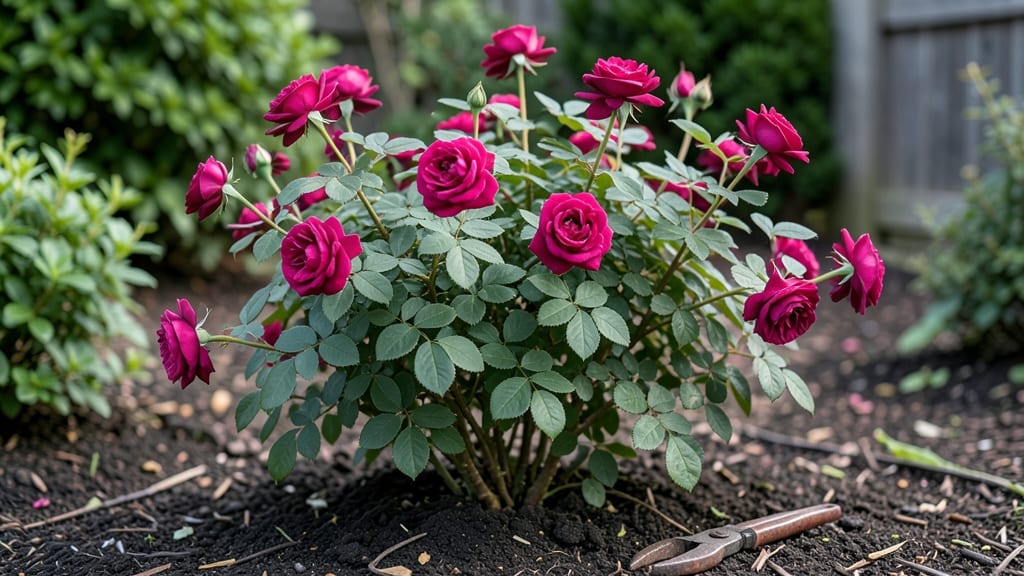
Taking care of a Knockout rose bush is easier than you think—year-round blooms with half the pruning of traditional roses. 🌹 I’ve had mine thriving for three years now, and the secret isn’t fancy techniques but simple habits: consistent watering, seasonal trims, and knowing when to step back.
These roses reward patience with nonstop color, even in tough climates.
Start with well-draining soil and full sun, then focus on watering deeply once a week (twice in summer heat). Mulch around the base to lock in moisture and keep roots cool. Fertilize lightly in spring and again after the first flush of blooms—overfeeding leads to floppy stems, not more flowers.
The pruning? Just snip back dead wood in late winter and trim leggy stems after blooms fade.
You’ll end up with a bush that looks like it belongs in a pro garden, not your backyard. The blooms stay vibrant from spring until frost, and pests rarely bother them.
Even my black thumb keeps this one alive—it’s that forgiving. The only real rule? Don’t smother it with care. These roses thrive on neglect almost as much as attention.
Works for containers or garden beds, urban patios, or rural landscapes. The key is adapting to your climate: in hot zones, shade cloth helps; in cold ones, a thick mulch layer protects roots.
Once established, they’re basically set-it-and-forget-it—except for that occasional snip to keep them tidy. Let’s get yours looking its best!
📚 In This Guide
- What you need
- Instructions
- Tips and common mistakes
- Wrapping up and next steps
What you need
- ● Knockout Rose Bush: Choose disease-resistant varieties like 'Radrazz,' 'Blazing Spirit,' or 'Double Knock Out.'
- ● Well-draining soil: Mix in compost or aged manure (2-3 inches) before planting.
- ● Watering can or hose: With a gentle spray nozzle (1-2 gallons per watering session).
- ● Fertilizer: Balanced granular fertilizer (10-10-10 or 20-20-20) – 1 tbsp per foot of plant height.
- ○ Slow-release rose-specific fertilizer (optional but recommended for convenience).
- ● Pruning shears: Sharp, bypass-pruners (disinfected with rubbing alcohol).
- ● Mulch: Organic mulch (2-3 inches) like shredded bark or pine straw.
- ● Garden gloves: Heavy-duty to protect against thorns.
- ● Stakes or supports: 4-6 ft tall (if planting in windy areas).
- ● Rose food: Liquid or spike form for extra nourishment during blooming seasons.
- ● Epsom salt: 1 tbsp dissolved in a gallon of water (monthly for magnesium boost).
- ● Drip irrigation system: For consistent moisture (especially in hot climates).
- ● Fungicide: Copper-based or neem oil spray (preventative measure for powdery mildew).
- ● Plant food spikes: Convenient for slow-release nutrients.
Step-by-step instructions for caring for a Knockout rose bush
Here’s how I keep my Knockout roses blooming nonstop with almost no fuss—just a few key habits.
🌱 Step 1: Plant in the Right Spot for Maximum Blooms
Knockout roses thrive in full sun—at least 6 hours of direct sunlight daily—so pick a location where they’ll get morning light and afternoon warmth. I always plant mine where they’re protected from strong afternoon winds, which can damage tender blooms. The soil should drain well, but don’t worry if it’s not perfect—Knockouts tolerate a wide range.
Dig a hole twice as wide as the root ball but only as deep. This encourages roots to spread outward instead of sitting too deep, which can cause rot. Gently loosen the roots if they’re circling or bound, then place the bush in the hole, backfilling with soil until the graft union (the bump near the base) sits 1-2 inches above ground level. This prevents water from pooling around the stem.
☀️ Step 2: Water Deeply and Consistently
Water 1-2 times per week, giving each bush 1-1.5 gallons until the soil is 6 inches deep and evenly moist. The key is deep watering—shallow soaks encourage weak roots. I test moisture by sticking my finger in the soil; if it feels dry past the first inch, it’s time to water. Knockouts are drought-tolerant once established, but they’ll bloom best with steady moisture.
Mulch around the base with 2-3 inches of organic mulch (like shredded bark) to retain moisture and keep roots cool. Just keep the mulch 3 inches away from the stem to prevent rot. Avoid overwatering—yellow leaves or blackened canes usually mean too much moisture.
✂️ Step 3: Prune for Shape and Continuous Blooms
Knockouts are low-maintenance, but a little pruning keeps them bushy and flowering. After the first big flush of blooms, trim back one-third of the oldest canes to the ground—this encourages new growth and more flowers. For shaping, cut back any crossing or weak branches to an outward-facing bud. Always use clean, sharp pruners to avoid tearing stems.
Deadhead spent blooms by cutting just above a set of healthy leaves (about ¼ inch above a leaf node). This redirects the plant’s energy into new blooms instead of seed production. I do this every 2-3 days during peak bloom season to keep the bush looking tidy and productive.
🌿 Step 4: Feed and Protect for Year-Round Health
Apply a balanced, slow-release fertilizer (like 10-10-10) in early spring and again in mid-summer to keep blooms strong. I scatter granules around the drip line (the edge of the bush’s canopy) and water them in. Avoid high-nitrogen fertilizers—they’ll give you lots of leaves but fewer flowers.
Watch for pests like aphids or Japanese beetles. A strong spray of water usually knocks them off, but for stubborn infestations, I use neem oil or insecticidal soap. Knockouts are disease-resistant, but if you spot black spots on leaves, remove affected foliage and treat with fungicide to prevent spread.
⏰ Step 5: Winter Prep for Next Year’s Blooms
In fall, cut back one-third of the oldest canes again to shape the bush and remove any dead or weak growth. Stop fertilizing by mid-summer to let the plant harden off for winter. Mulch heavily (4-6 inches) around the base with straw or shredded leaves to insulate roots from freezing temperatures.
Knockouts are cold-hardy, but young bushes benefit from extra protection. I wrap the canes loosely with burlap if temperatures drop below 10°F to prevent sunscald. In early spring, remove the mulch and burlap as soon as new growth appears—usually by late March or early April, depending on your zone.
Tips & tricks for perfect Knockout rose care
Real talk: These simple habits will keep your Knockout roses thriving with minimal effort—once you know the secrets.
Location is Everything: That 6 hours of sunlight is non-negotiable, but here's what I learned the hard way: morning sun is more important than afternoon. If you're in a windy area, plant on the leeward side of your property. I've seen roses planted in full sun with afternoon winds get scorched leaves—protect those tender blooms! Also, avoid planting near large trees where roots will compete for moisture.
Watering Wisdom: The 1-1.5 gallons per watering should go straight to the root zone—don't just splash it around the base. I use a soaker hose for 20-30 minutes to ensure that 6-inch deep moisture. And here's a trick: water in the morning so leaves dry quickly, preventing fungal issues. If your soil drains poorly, add a layer of coarse sand mixed into the planting hole to improve drainage.
Pruning Pro Tips: When you're trimming back one-third of the oldest canes, look for canes that are thicker than a pencil—they're the ones that need cutting. And for deadheading, I use clean pruners and make my cuts at a 45-degree angle just above a leaf node. This creates a larger surface for new growth and prevents water from pooling on the cut. I also sterilize my pruners with rubbing alcohol between cuts to prevent disease spread.
Winter Prep That Works: That 4-6 inches of mulch is crucial, but don't pile it directly against the stem. I make a donut shape around the base, leaving the center open. For extra protection in harsh winters, I add a layer of bubble wrap around the canes before the burlap. It's like giving your rose a cozy winter sweater! And remember, remove that winter protection as soon as you see new growth in spring—usually by late March in my zone.
Pro Tips for Take Care Of A Knockout Rose Bush
- Real talk: These simple habits will keep your Knockout roses thriving with minimal effort—once you know the secrets.
- Location is Everything: That 6 hours of sunlight is non-negotiable, but here's what I learned the hard way: morning sun is more important than afternoon.
- Watering Wisdom: The 1-1.5 gallons per watering should go straight to the root zone—don't just splash it around the base.
Frequently asked questions
Got questions about keeping your Knockout® rose bush thriving? You’re not alone! Here are answers to the most common concerns—from pruning puzzles to pest problems—so you can enjoy lush blooms all season long.
When is the best time to prune a Knockout rose bush?
Prune your Knockout rose in early spring (before new growth starts) or late winter. Avoid pruning in fall, as it can stimulate tender growth that won’t survive winter. Focus on removing dead, diseased, or crossing branches—no need for heavy pruning like traditional roses! Pro tip: Cut just above an outward-facing bud for better airflow.
Do Knockout roses need winter protection?
These hardy roses are drought- and cold-tolerant (USDA Zones 4–9), but young plants (<1 year old) or harsh winters may need extra care.
- Mulch the base with 2–3 inches of organic mulch (like shredded bark) after the ground freezes.
- Avoid piling mulch against the stem to prevent rot.
- In Zone 4, wrap the bush with burlap or a frost blanket for extreme cold snaps.
Why aren’t my Knockout roses blooming as much as they should?
Common culprits include:
- Over-fertilizing with high-nitrogen (promotes leaves, not flowers). Use a balanced rose fertilizer (10-10-10 or 5-10-5) in spring and summer.
- Poor sunlight: Knockout roses need full sun (6+ hours/day). Move to a sunnier spot if growth is leggy.
- Underwatering: These roses are drought-tolerant but wilting = thirsty. Water deeply 1–2 times per week (more in extreme heat).
- Pests/disease: Check for aphids, black spot, or powdery mildew. Treat early with neem oil or fungicide.
Can I grow Knockout roses in containers?
Just choose a large container (at least 15–20 gallons) with drainage holes. Use a well-draining potting mix (add perlite or sand for aeration).
- Water frequently—containers dry out faster than ground soil.
- Fertilize every 4–6 weeks with a liquid rose food.
- Move containers to full sun and protect from strong winds.
What should I do if my Knockout rose leaves turn yellow?
Yellow leaves usually signal one of these issues:
- Overwatering: Check soil moisture—roots need air! Let the top 2 inches dry out between waterings.
- Nutrient deficiency: Yellowing between veins = iron deficiency. Apply chelated iron or use a rose-specific fertilizer.
- Fungal disease (like black spot): Remove affected leaves and spray with copper fungicide.
- Aging leaves: Older leaves naturally yellow. Prune them to improve airflow.
Wrapping up and next steps
Caring for a Knockout Rose is all about consistency, patience, and a little love—and the rewards are stunning, low-maintenance blooms that keep your garden vibrant all season! With the right soil, sunlight, and occasional pruning, your bush will thrive with minimal fuss.
Now that you’re armed with these tips, watch your yard transform into a lush, fragrant paradise! 🌸
Ready to level up your gardening game? Start by planting your Knockout Rose in the perfect spot this spring—or even better, share your newfound knowledge with fellow plant lovers! Whether you’re a seasoned gardener or just starting, every bloom is a victory worth celebrating. Happy gardening! 🌱