
Shrubs
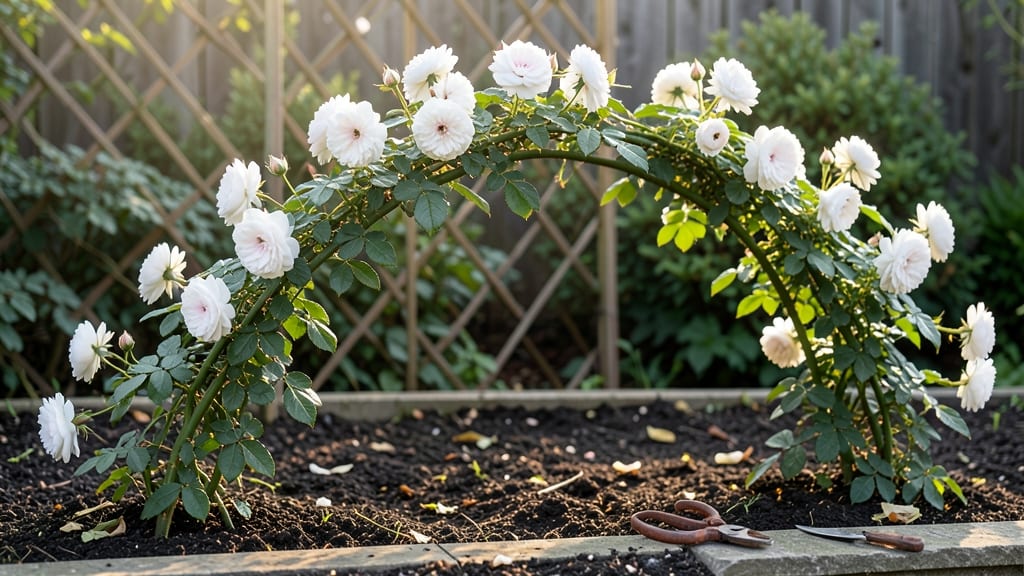
Growing Iceberg climber roses in containers is the perfect way to enjoy their cold-hardy beauty without sacrificing space. 🌿 I’ve watched mine thrive through winter freezes and summer heat—all while staying compact enough for balconies or small yards.
The secret lies in matching their needs: sturdy containers, well-draining soil, and the right pruning rhythm to keep those cascading white blooms coming. This rose variety stands out for its disease resistance and hardy nature, making it ideal for beginners or busy gardeners.
Unlike fussy hybrids, Iceberg climbers handle neglect better—just don’t let them dry out completely. With the right setup, you’ll get months of blooms per season, even in cooler climates where other roses struggle.
The key is pruning in early spring to encourage strong new growth and fertilizing lightly during bloom time. I’ve seen mine produce hundreds of flowers on a single plant when cared for properly. The fragrance alone makes it worth the effort—like walking through a cloud of fresh linen.
Works in zones 3-9, so whether you’re in a cold mountain town or a mild coastal area, this rose adapts. Let’s get yours growing!
📚 In This Guide
- What you need
- Instructions
- Tips and common mistakes
- Wrapping up and next steps
What you need
- ● Iceberg Climber Rose Plant: 1 bare-root or potted specimen (choose a disease-resistant variety like 'Iceberg' or 'Blanc Double de Coubert' for best results).
- ● Container: 1 large pot (minimum 15-gallon capacity) with drainage holes. Terracotta or fabric pots work best for airflow.
- ● High-Quality Potting Mix: 1 bag (look for a well-draining, organic blend with perlite or sand, e.g., Miracle-Gro Potting Mix or FoxFarm Ocean Forest).
- ● Gravel or Drainage Material: 2–3 inches of pebbles or crushed stone for the pot’s base.
- ● Slow-Release Fertilizer: 1 packet (e.g., Osmocote Smart-Release Plant Food for roses).
- ● Rose Food: 1 bottle of balanced liquid fertilizer (e.g., Miracle-Gro Rose Food, 20-20-20 ratio).
- ● Support Structure: 1 6–8-foot trellis, arch, or sturdy post (metal or wooden) for climbing.
- ● Pruning Shears: 1 pair of sterilized, sharp shears (or a Felco F-2 pruner).
- ● Mulch: 2–3 inches of organic mulch (e.g., wood chips or shredded bark) to insulate roots.
- ● Gloves: Heavy-duty gardening gloves (roses have thorns!).
- ● Watering Can or Hose: With a gentle spray nozzle to avoid damaging blooms.
- ○ Rose Pruning Oil: (Optional) 1 bottle (e.g., Dyna-Gro 777) to prevent fungal diseases.
- ○ Epsom Salt: (Optional) 1 box for magnesium boost (1 tbsp per gallon of water, monthly).
- ● Frost Cloth: (For colder climates) 1 roll to protect tender new growth in Zone 5 or below.
- ○ Container Caddie: (Optional) A wheeled cart if moving pots frequently.
Step-by-step instructions for planting and caring for Iceberg climber roses
Here's how to coax these stunning blooms into thriving, cold-resistant climbers that reward you with years of snow-white perfection.
🪴 Step 1: Select and Prepare the Perfect Container
Iceberg roses need at least a 15-gallon container with drainage holes—smaller pots restrict root growth and weaken the plant. I always choose unglazed terra cotta because it breathes and prevents root rot in winter. Fill the bottom third with gravel or expanded clay pebbles to create a 4-inch deep drainage layer—this prevents waterlogging, which is deadly for roses.
Next, add a 2-inch layer of organic matter—I use composted cow manure—to improve soil structure and fertility. This isn't just about nutrients; it creates air pockets that rose roots adore. Tap the container gently to settle the layers before adding your premium potting mix up to 2 inches from the rim. The extra space prevents soil from spilling when you water.
🌱 Step 2: Plant Bare-Root Roses at the Right Depth
Soak the bare-root plant's roots in lukewarm water for 30 minutes before planting—this revives dormant roots and helps them establish faster. Iceberg roses have long canes, so position the graft union (the swollen bump near the base) 2 inches below soil level. Planting too deep smothers the graft, while planting too shallow exposes it to frost damage.
Spread the roots outward in the container, making sure none are curled or touching. Fill around the roots with moist potting mix, pressing gently to eliminate air pockets. The soil should settle naturally—don't compact it. Water deeply until it drains from the bottom holes, then add a 1-inch layer of mulch (I use pine bark fines) to conserve moisture and protect roots in winter.
☀️ Step 3: Position for Maximum Sun and Airflow
Iceberg roses demand full sun—at least 6 hours daily—but they also need protection from harsh afternoon winds. I place my containers on a south-facing patio where they get morning sun and afternoon shade from a nearby arbor. If you must use a north-facing spot, supplement with a grow light for 4-6 hours daily during winter.
Space containers 3 feet apart to allow airflow—crowding invites fungal diseases like black spot. I also elevate containers on pot feet to improve drainage and prevent water from pooling around the base. This small adjustment can extend your rose's life by years by preventing root rot.
💧 Step 4: Water and Feed for Continuous Blooms
Water deeply twice weekly during growing season (spring-fall), aiming for 1 gallon per plant. Check moisture by sticking your finger 2 inches into the soil—if it feels dry, water again. Iceberg roses are drought-tolerant once established, but they produce their best blooms with consistent moisture. In winter, reduce watering to once every 2 weeks unless temperatures drop below 20°F.
Feed every 2 weeks from spring to fall with a balanced rose fertilizer (10-10-10 ratio). I mix it into the soil surface rather than watering it in—this prevents root burn. Stop fertilizing in late August to encourage hardy growth before winter. In early spring, apply a slow-release fertilizer to jumpstart new growth without overwhelming tender roots.
✂️ Step 5: Prune for Health and Abundant Blooms
Prune Iceberg roses in early spring before new growth appears. Remove dead, diseased, or crossing branches first—these compete with healthy growth. Then cut back last year's growth by one-third, making cuts just above an outward-facing bud. This encourages bushier growth and more blooms. I always sterilize my pruners with rubbing alcohol between cuts to prevent spreading disease.
Deadhead spent blooms weekly during the growing season to redirect energy into new flowers. For climbers, trim back long canes after flowering to 6-8 feet—this keeps the plant manageable and prevents it from becoming top-heavy. In late fall, reduce canes by half to prepare for winter dormancy. Wrap the container in burlap if temperatures drop below 15°F to protect roots from freezing.
Tips & tricks for growing Iceberg climber roses in containers
Real talk: These roses are tougher than they look, but a few key adjustments make all the difference for container success.
Container Material Matters: Unglazed terra cotta isn't just my preference—it's science. The porous material wicks away excess moisture, preventing root rot that plagues container roses in winter. If you must use plastic, add extra drainage holes (at least 4 more) and elevate the container on bricks to improve airflow. The 4-inch drainage layer in Step 1 isn't optional; I've seen roses drown in containers with just 2 inches of gravel.
Root Revival Technique: That 30-minute soak for bare roots in lukewarm water isn't just about hydration—it's about waking up dormant root cells. I add a splash of seaweed extract (optional) to the water for extra growth hormones. After soaking, gently massage the roots between your fingers to straighten any curls—this prevents them from growing in tight circles that strangle themselves later.
Sunlight Strategy: The 6+ hours of daily sun is non-negotiable, but here's the secret: Iceberg roses handle morning sun better than afternoon heat. If your patio gets scorching afternoon rays, move containers to receive morning sun instead. For north-facing spots, that 4-6 hours of grow light during winter is critical—use full-spectrum LED bulbs, not cheap clip-on lamps that won't penetrate the foliage properly.
Winter Protection Upgrade: When temperatures drop below 15°F, don't just wrap your container. First, move it to a sheltered spot against a south-facing wall. Then wrap the container (not just the plant) in burlap, leaving the top open. I also place a clear plastic dome (like a large salad bowl) over the top to trap heat without suffocating the plant—remove it during the day if temperatures rise above 40°F.
Pro Tips for Iceberg Climber Rose
- Real talk: These roses are tougher than they look, but a few key adjustments make all the difference for container success.
- Container Material Matters: Unglazed terra cotta isn't just my preference—it's science.
- Root Revival Technique: That 30-minute soak for bare roots in lukewarm water isn't just about hydration—it's about waking up dormant root cells.
Frequently asked questions
Got questions about growing the stunning Iceberg Climber Rose? You’re not alone! Here are answers to the most common queries from gardeners—whether you’re a beginner or a seasoned pro.
Can Iceberg Climber Roses thrive in containers?
This variety is perfect for containers, especially if you choose a large pot (at least 15 gallons) with excellent drainage. Just ensure it gets 6+ hours of sunlight daily and regular pruning to manage its climbing habit. Use a high-quality potting mix with compost for best results.
How cold-hardy is the Iceberg Climber Rose?
One of its biggest perks—this rose handles USDA Zones 3-9 (down to -40°F/-40°C!). In colder zones, mulch heavily in winter and protect young plants with burlap wraps. Pro tip: Container-grown roses may need extra winter care, like moving them to a sheltered spot or insulating the pot.
What’s the best way to prune an Iceberg Climber Rose?
Prune in early spring (before new growth) and again after flowering to shape the plant. Cut back dead or crossing branches to the nearest outward-facing bud, and trim long stems to encourage bushier growth. Never prune in fall—it stimulates tender growth that won’t survive winter!
Are Iceberg Climber Roses prone to pests or diseases?
Like all roses, they can attract aphids, spider mites, or black spot fungus, but their thorny stems and vigorous growth deter many pests. Prevent issues with neem oil sprays and ensure airflow by spacing plants properly. Remove infected leaves promptly to stop spread.
How do I get my Iceberg Climber Rose to bloom more?
Blooms thrive with consistent care: fertilize monthly during growing season (use a rose-specific feed), water deeply 1-2x weekly (keep soil moist but not soggy), and deadhead spent blooms. Bonus: A light pruning after the first flush of flowers can trigger a second bloom cycle!
What are some low-maintenance alternatives to Iceberg Climber Roses?
If you want climbing roses with less upkeep, try:
- Dr. Huey (disease-resistant, repeat bloomer)
- Blaze (hardy, drought-tolerant, pink blooms)
- New Dawn (classic climber, fewer thorns)
Wrapping up and next steps
The Iceberg Climber Rose isn’t just a plant—it’s a statement of resilience and beauty, thriving even in chilly climates. With the right container, soil, and care, you can grow this stunning shrub and enjoy its snow-white blooms year after year.
Whether you’re a beginner or a seasoned gardener, its cold-hardy charm makes it a rewarding addition to any space.
Ready to take the next step? Start by selecting your container and gathering your supplies—then watch your Iceberg Climber Rose transform your garden into a winter wonderland! 🌸❄️